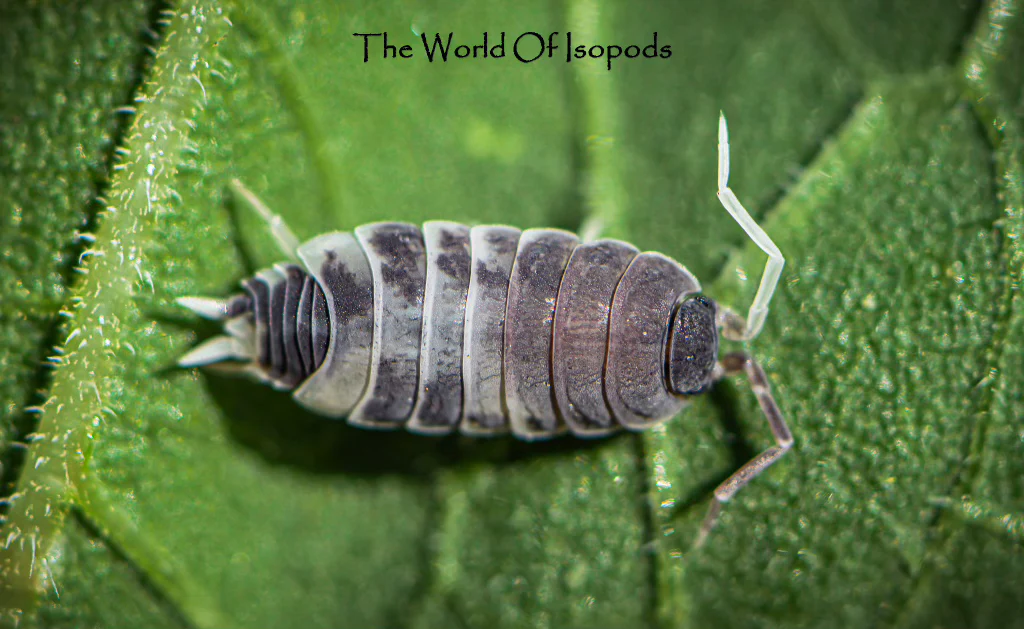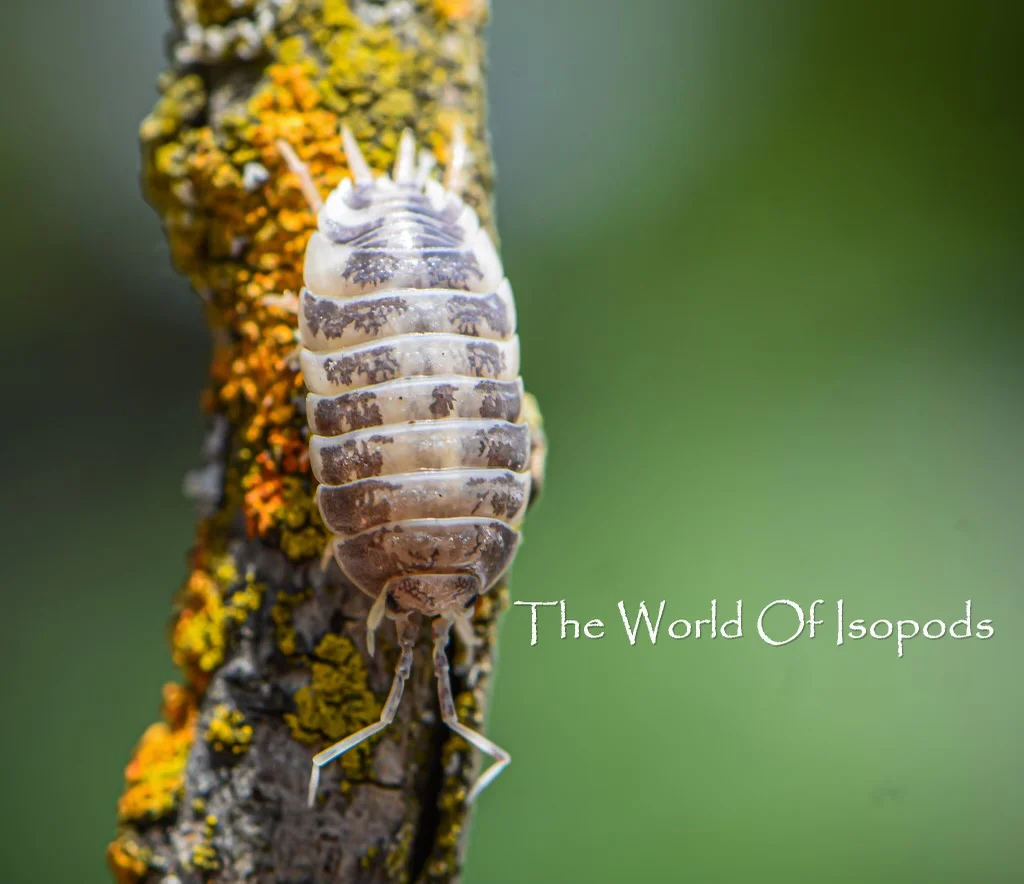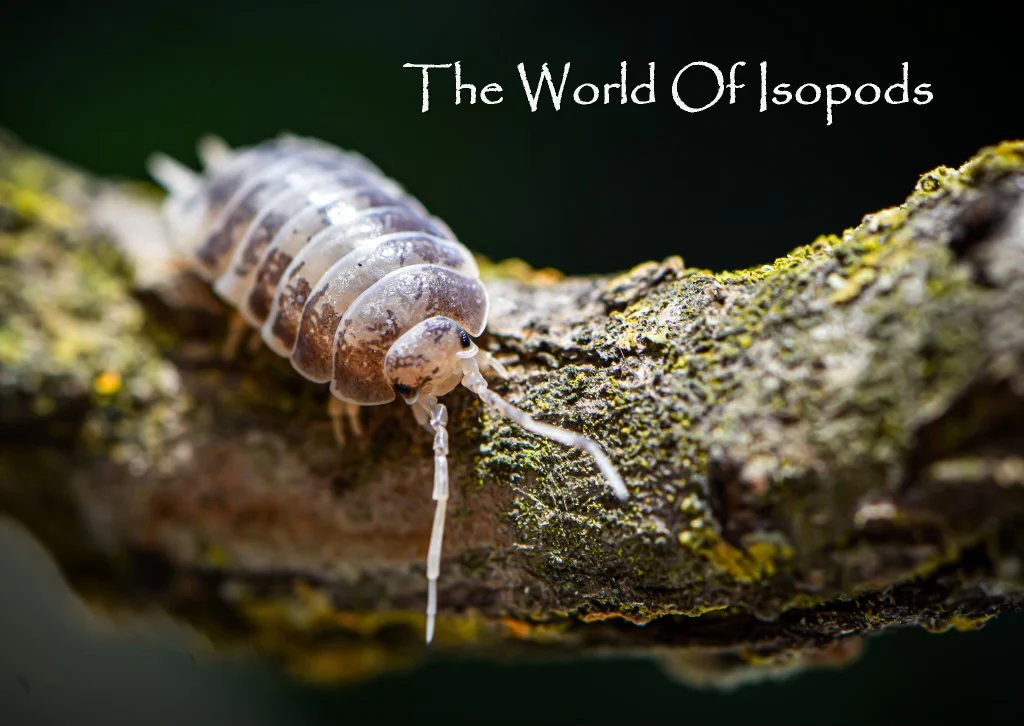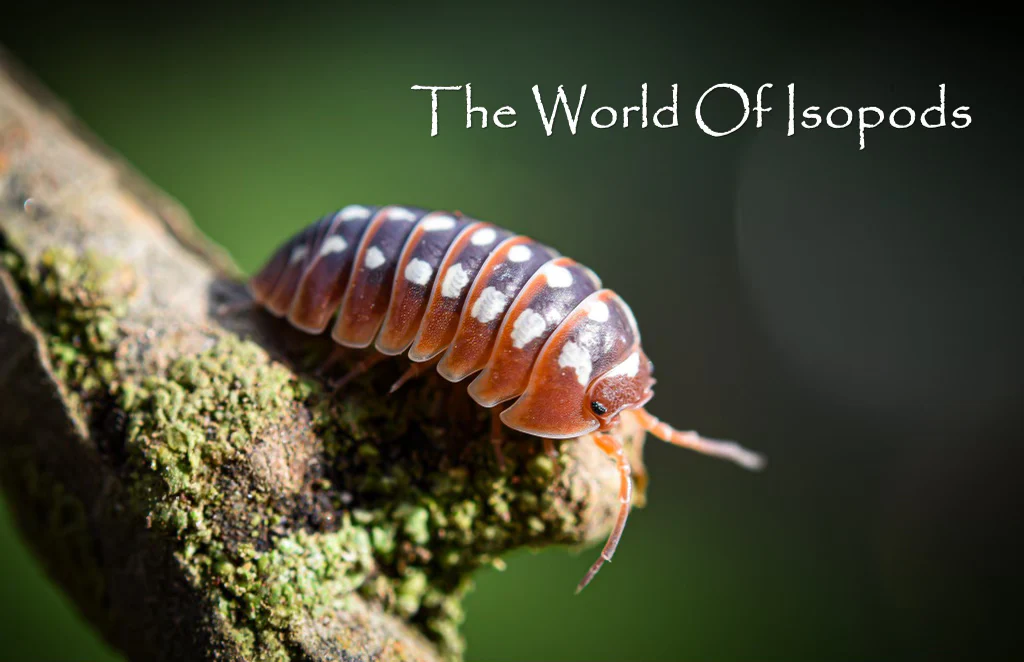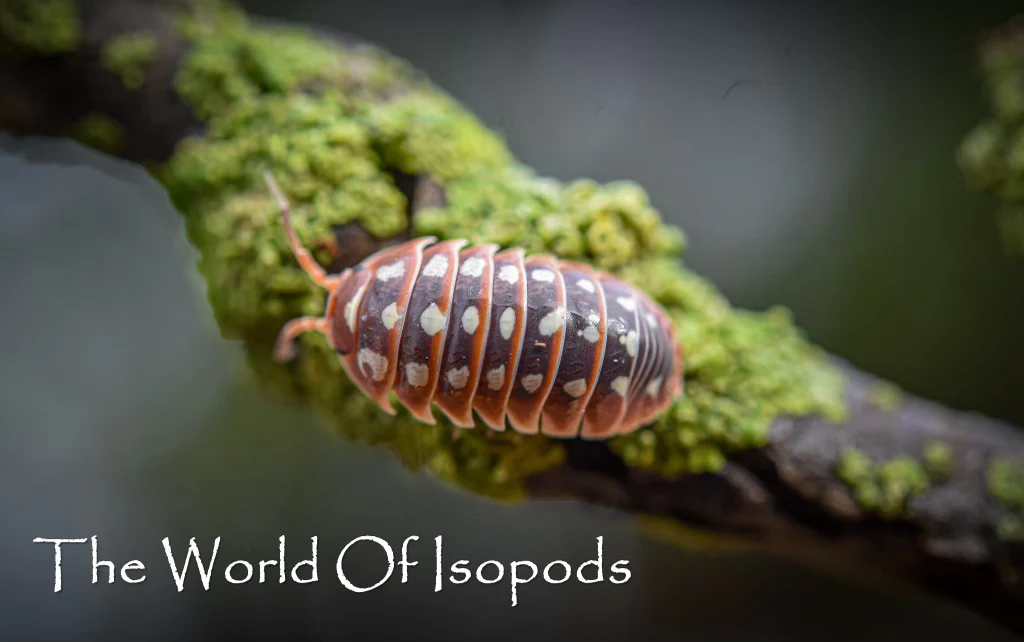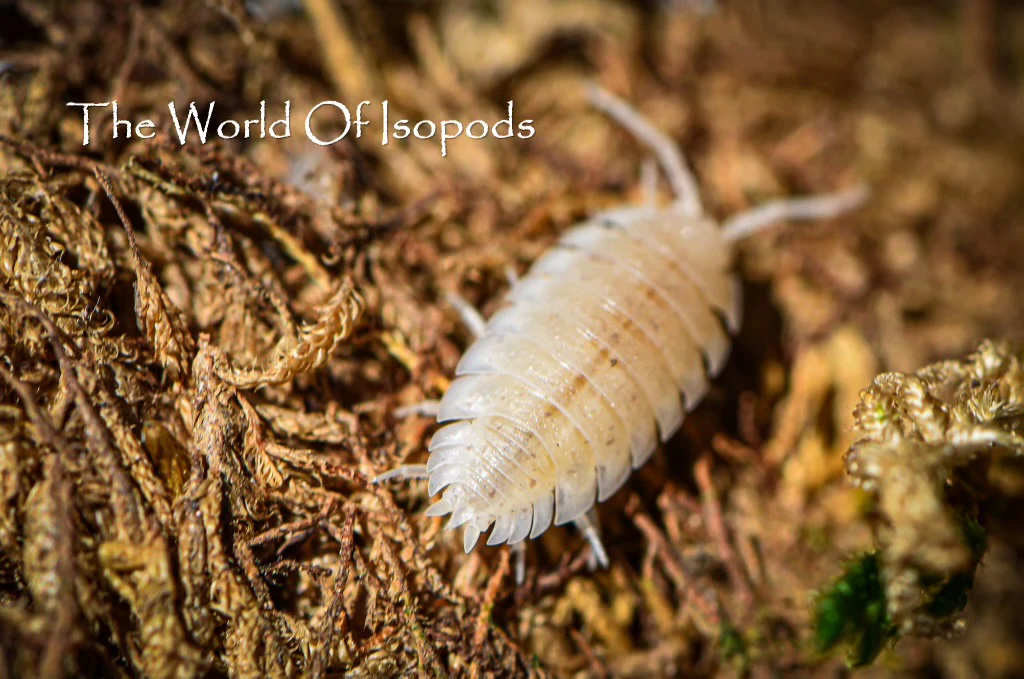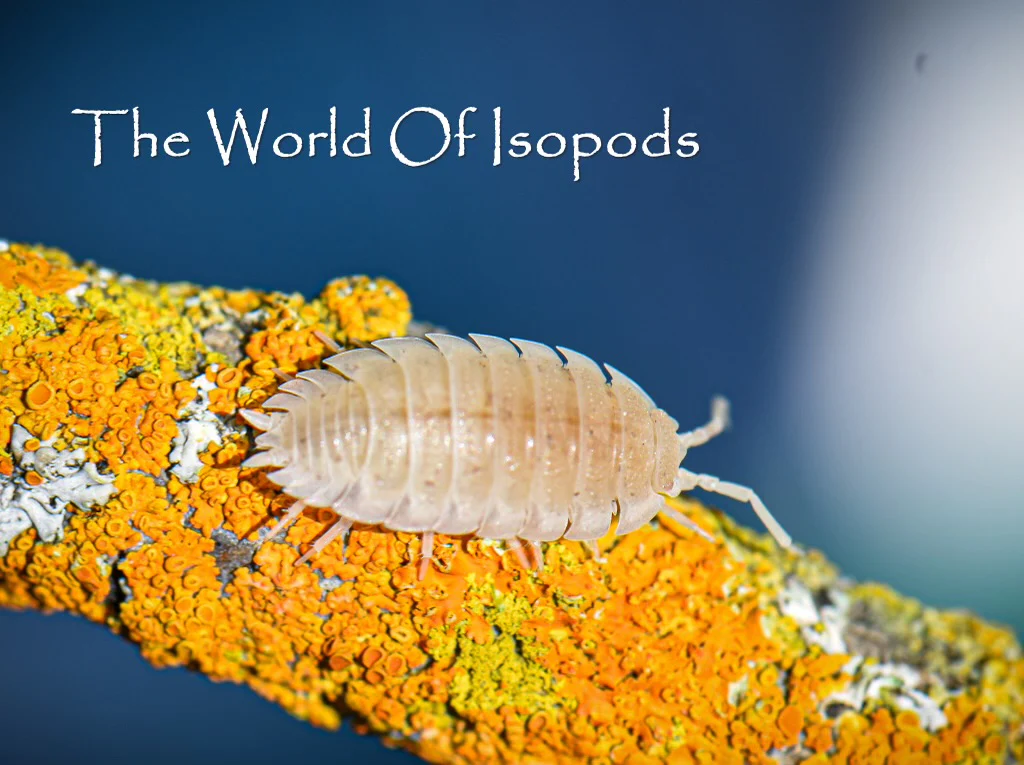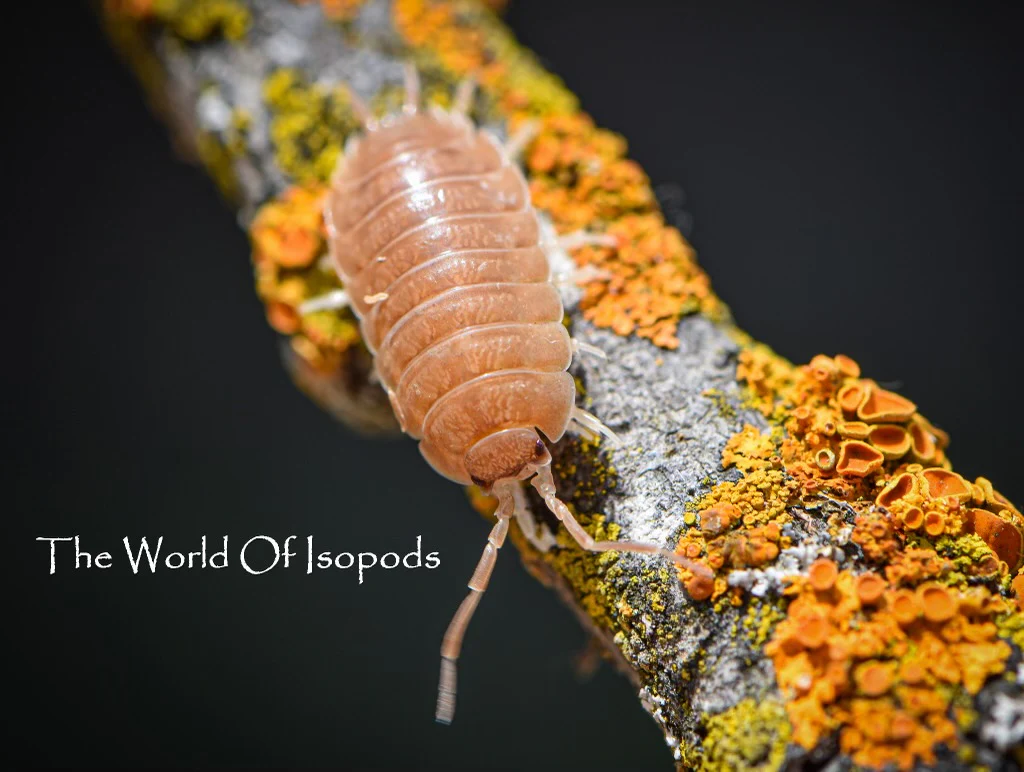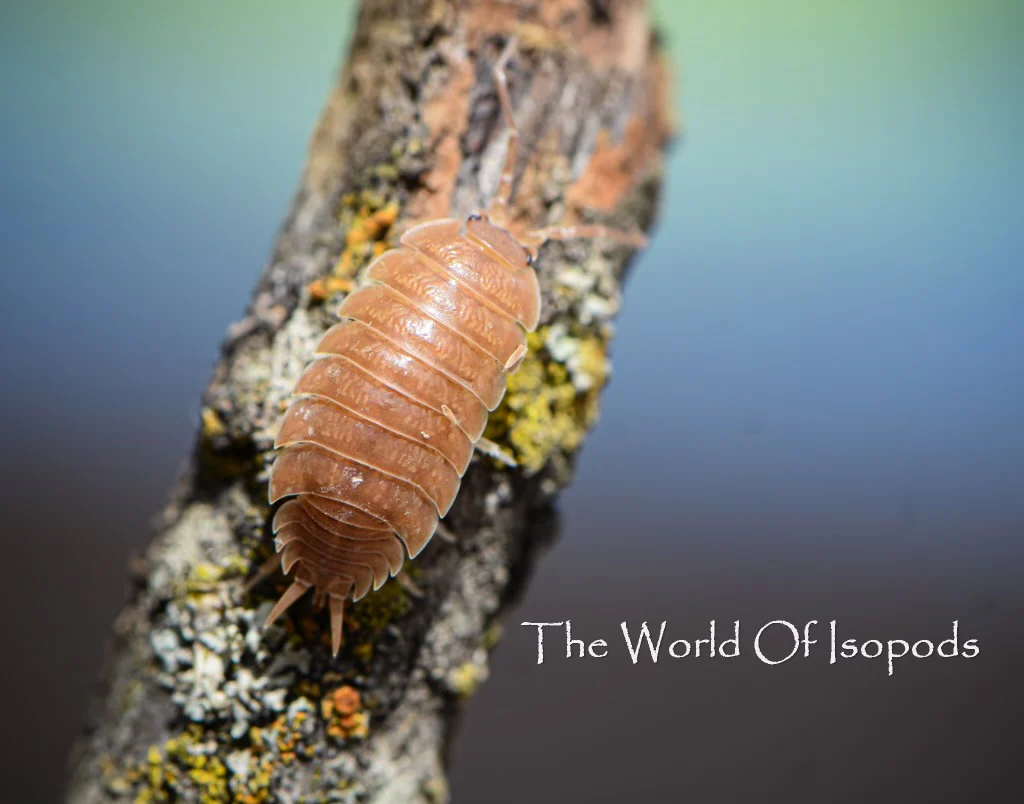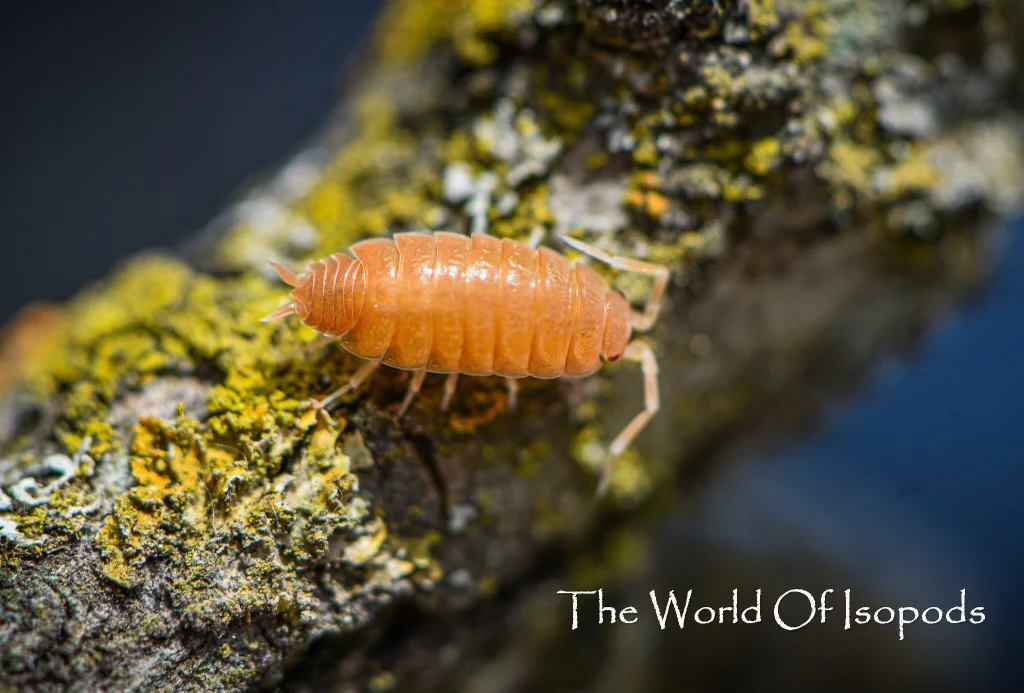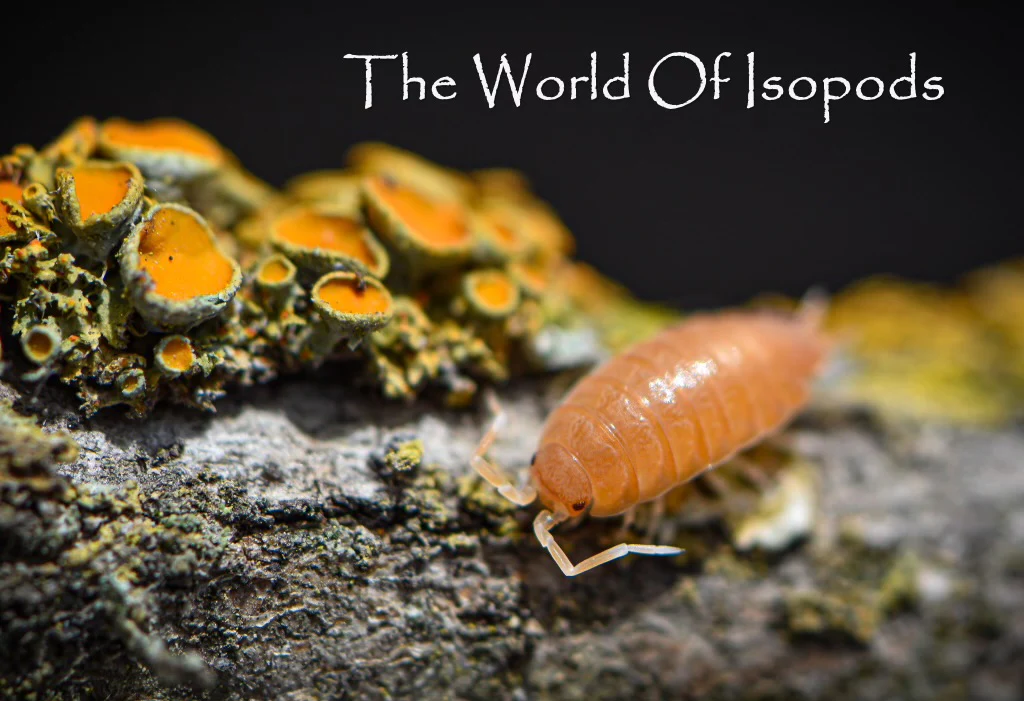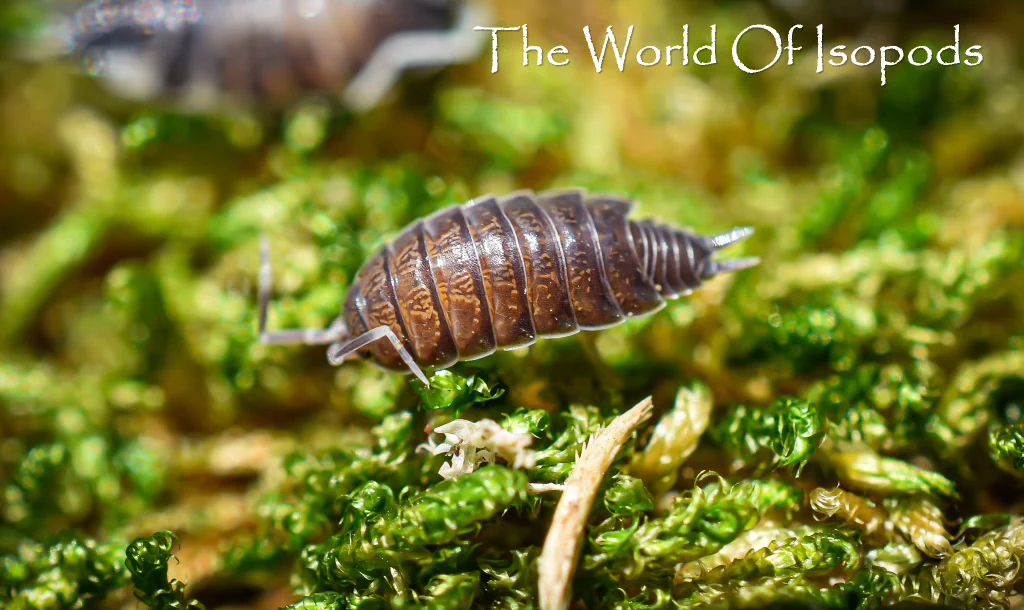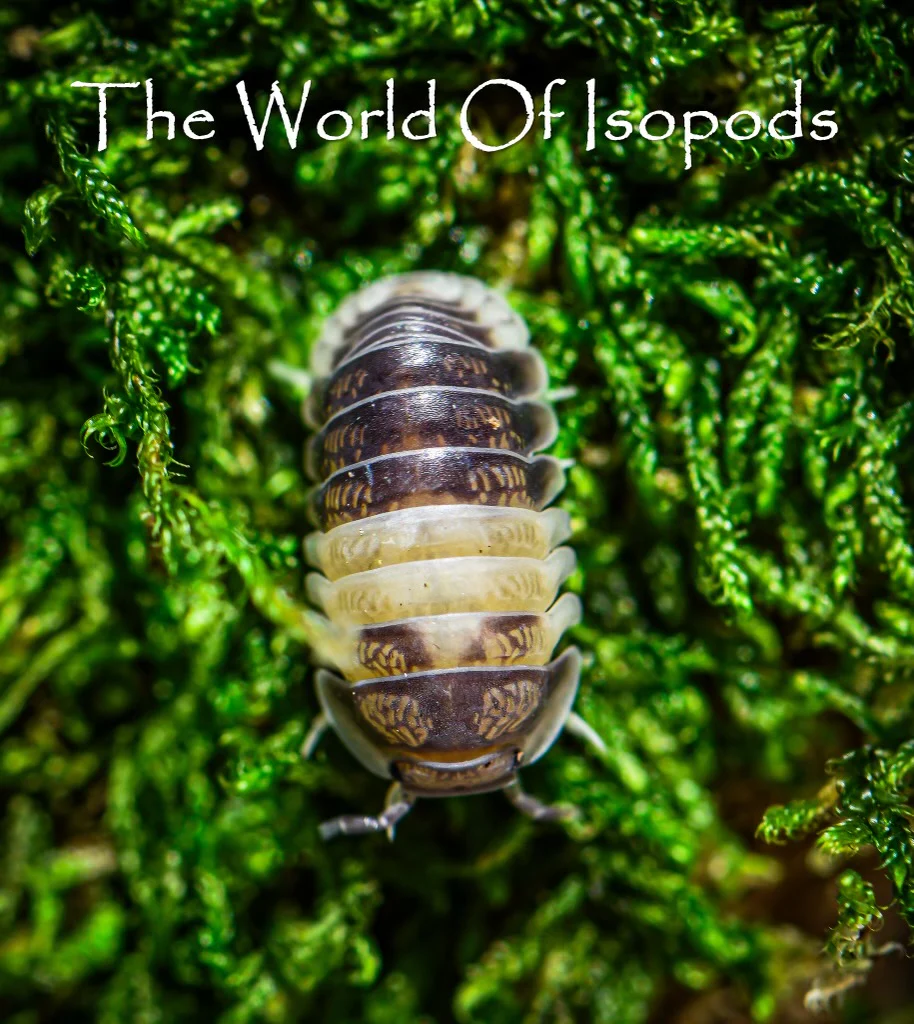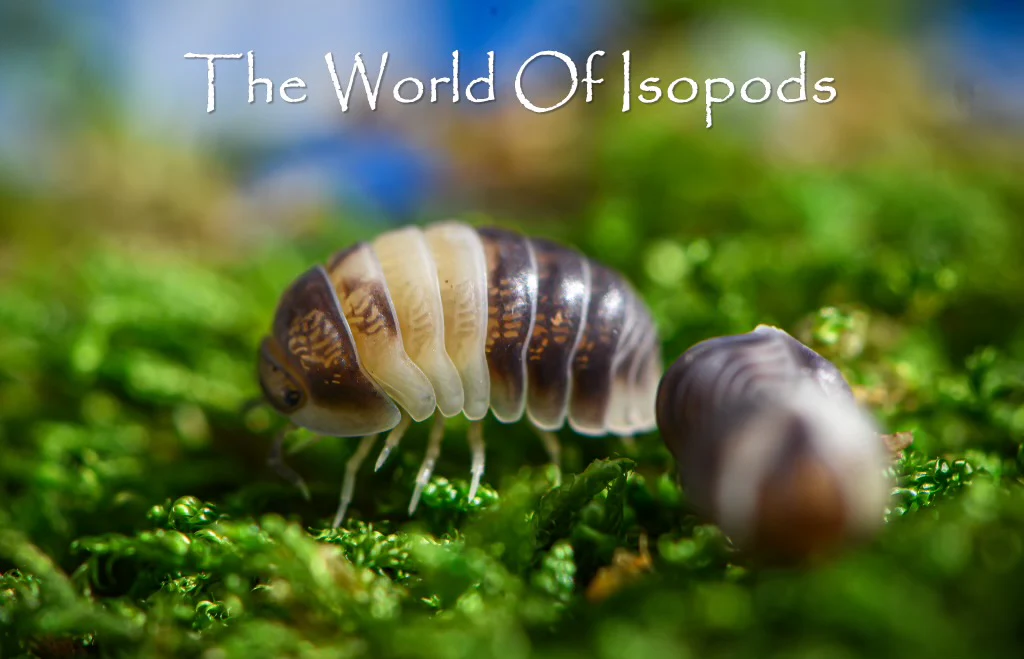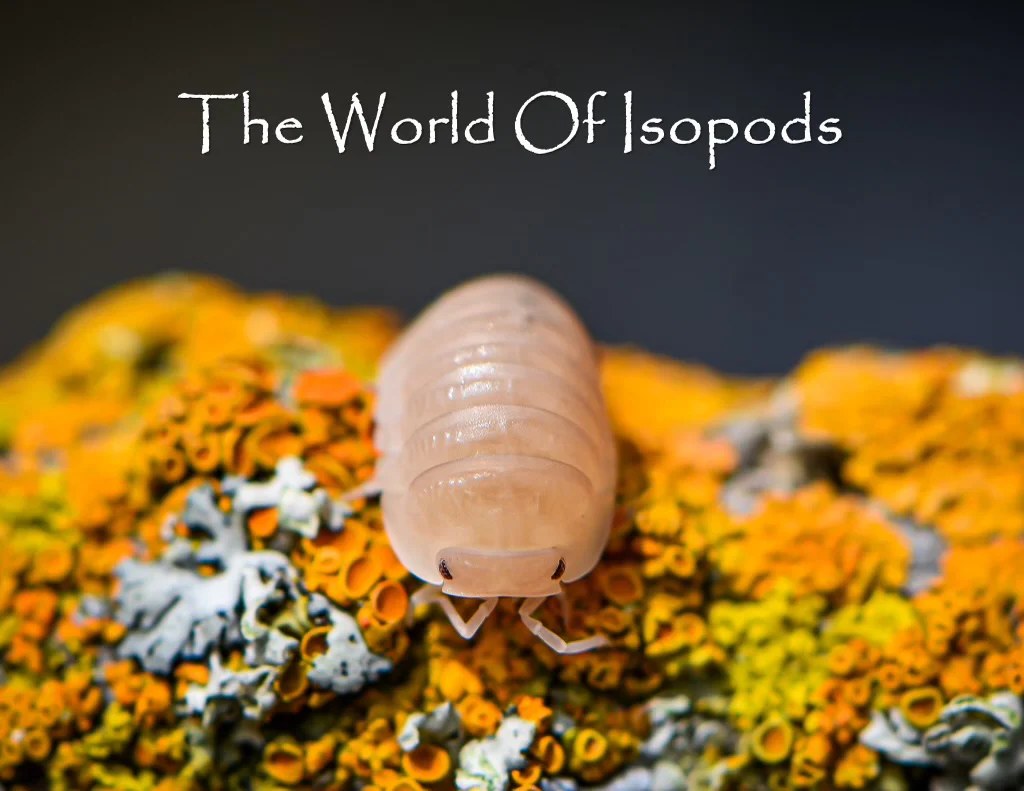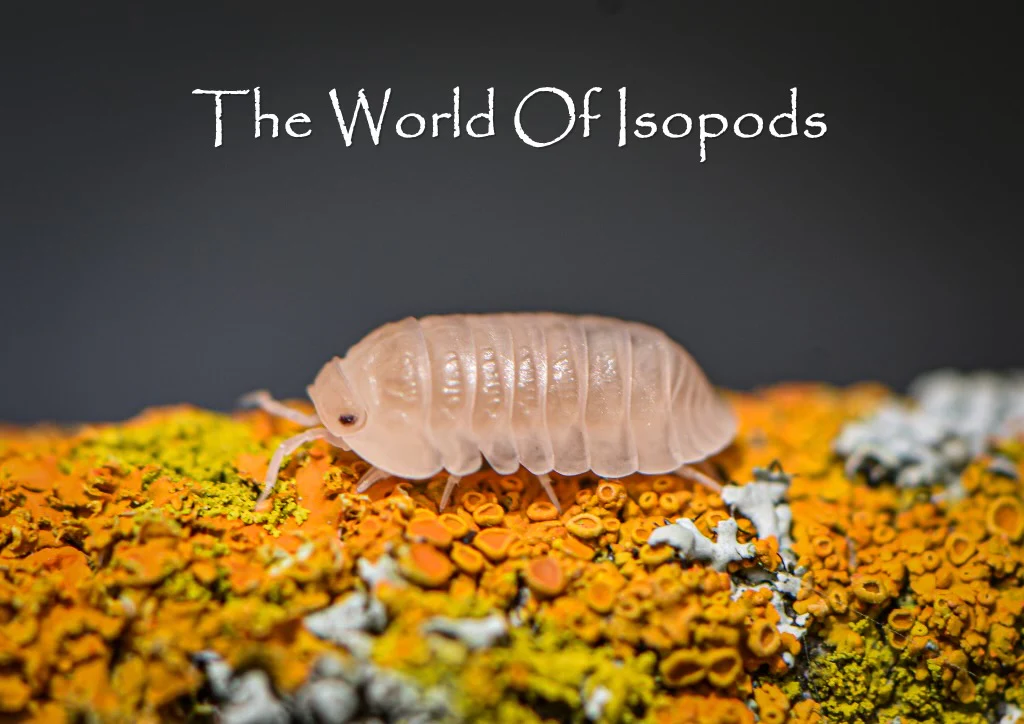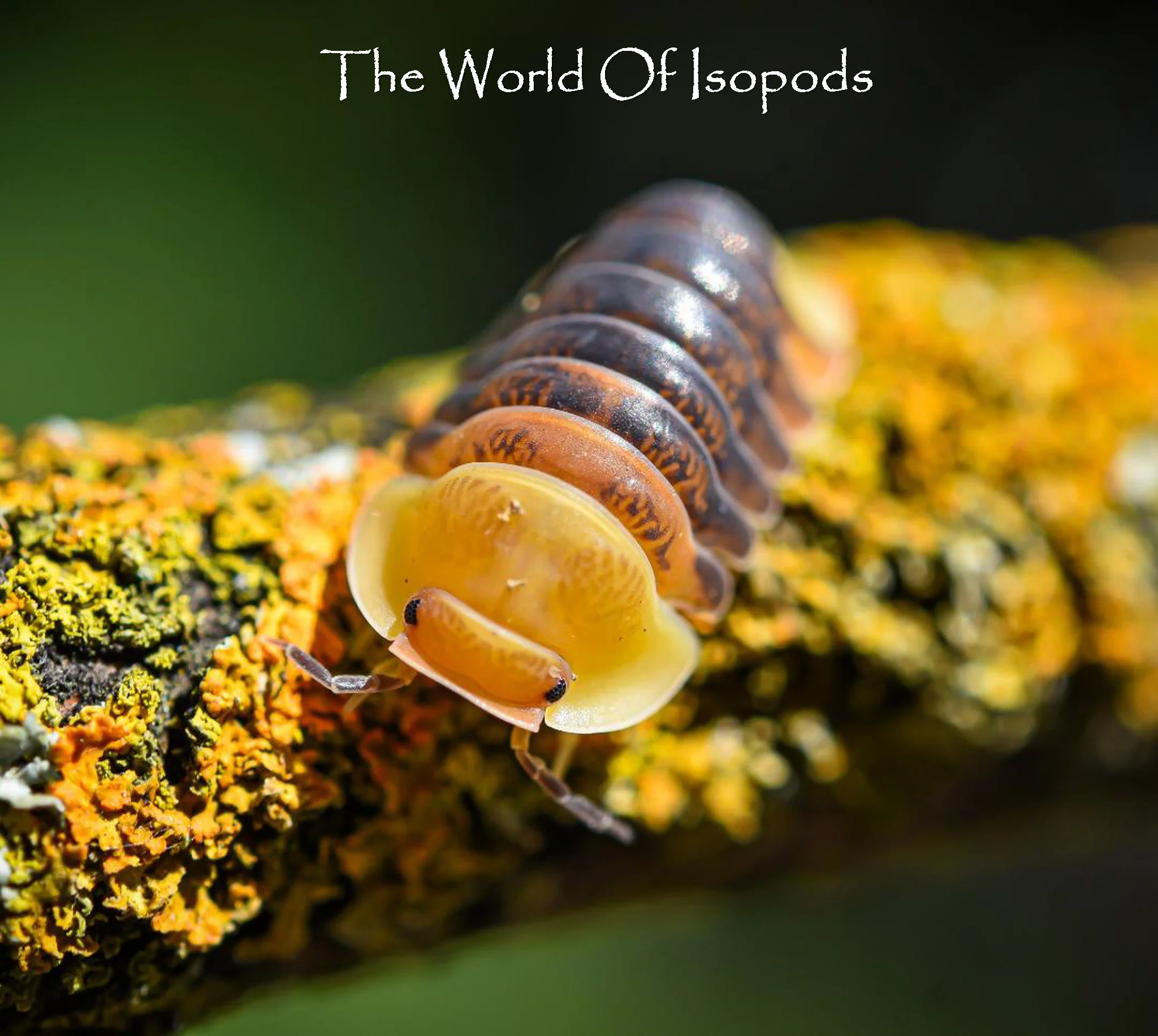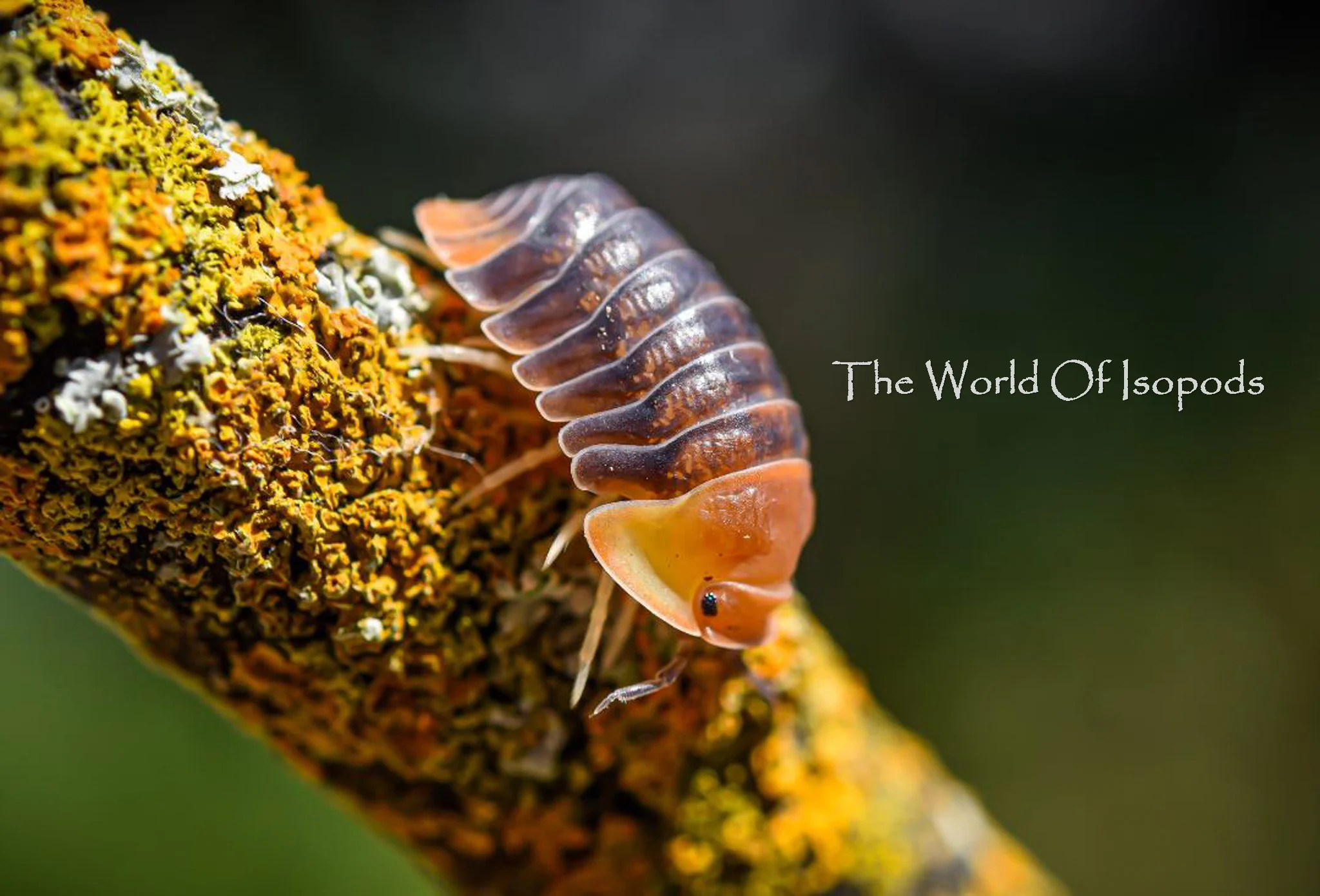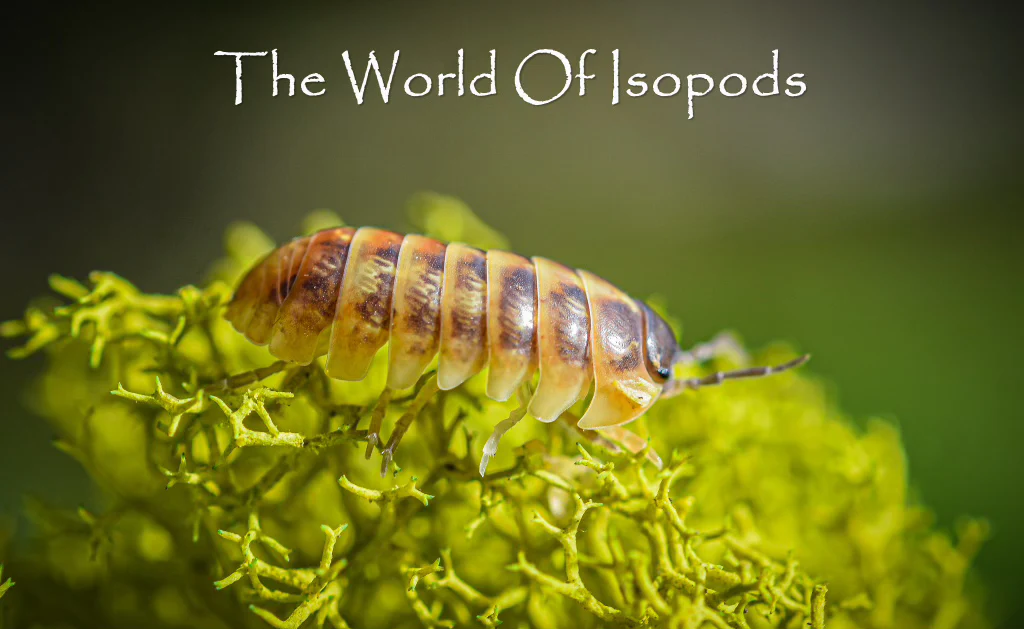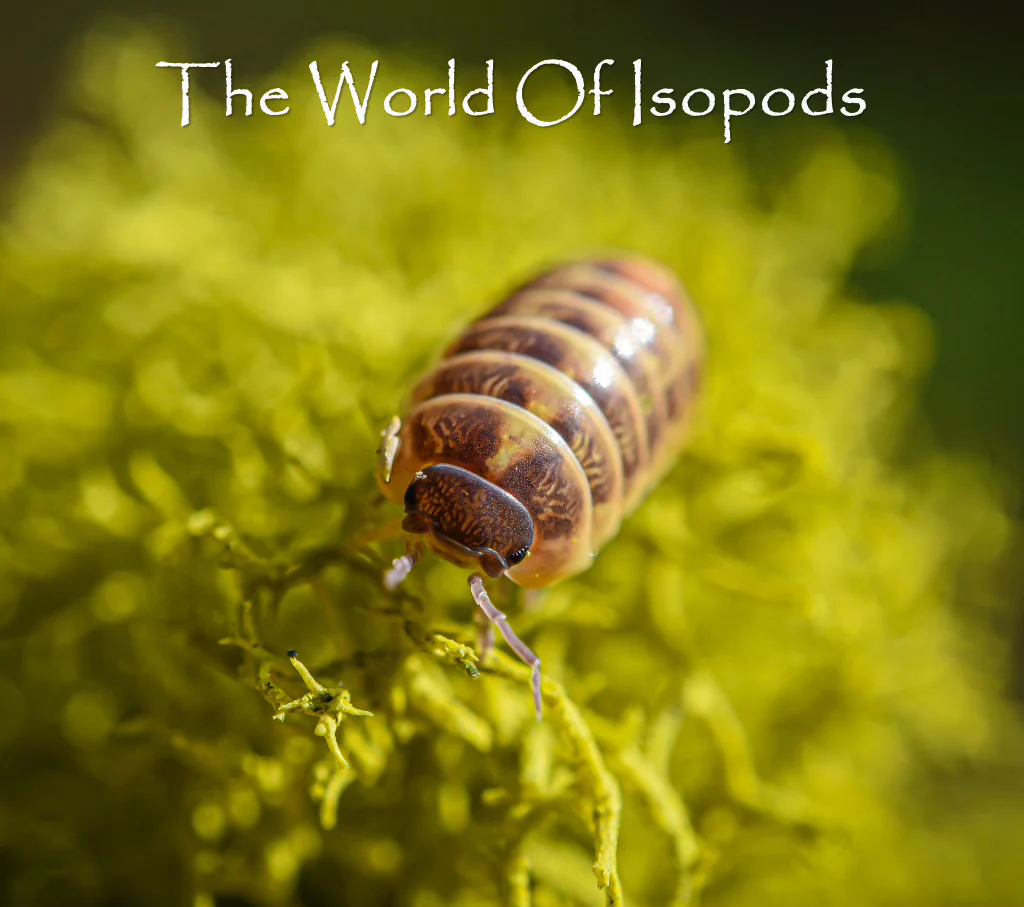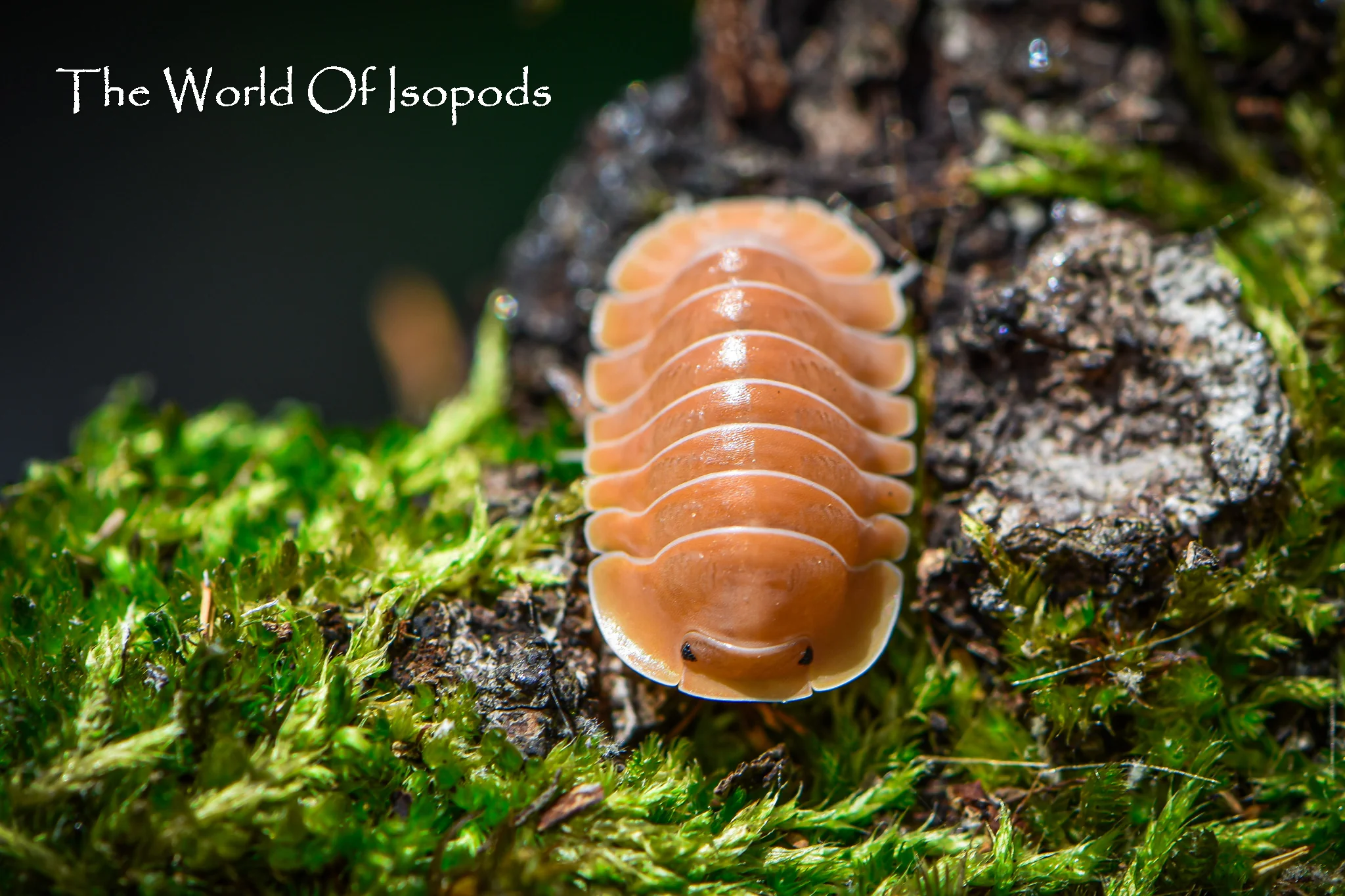
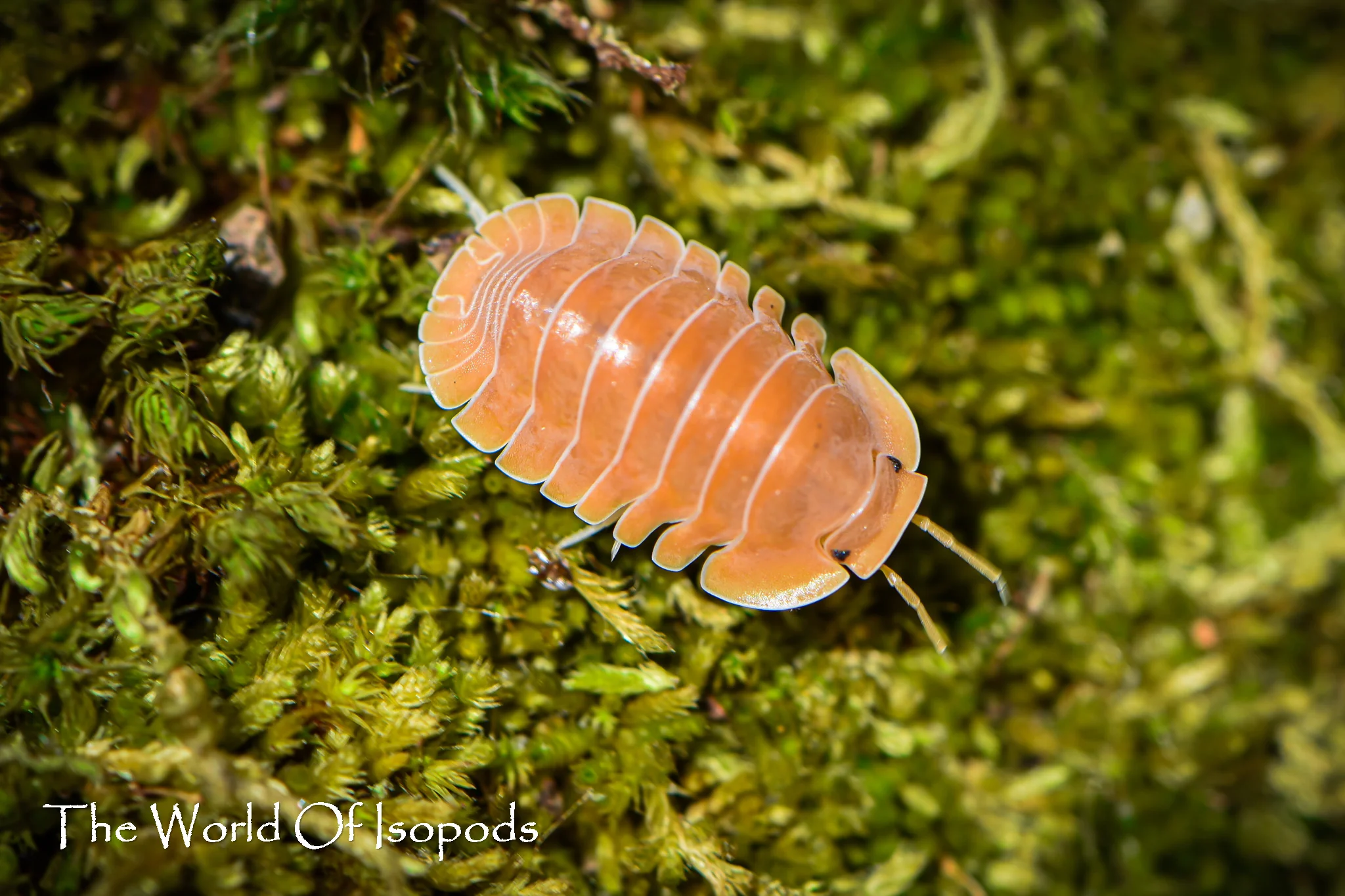
Crabby's
Crabby isopods do best in a moist, well‑ventilated enclosure that mimics a forest floor. Use a secure plastic bin or terrarium with air holes, and provide 2–3 inches of substrate made from coco fiber or organic soil mixed with leaf litter and decaying wood. Keep one side of the enclosure more moist and the other slightly drier so they can choose their preferred humidity level. Add plenty of hiding places using cork bark, bark chips, and leaf piles so they feel safe and can stay out of bright light. Room‑temperature conditions (around upper 60s to mid‑70s °F) usually work well, as long as you avoid direct sun and extreme heat or cold.
Crabby isopods are detritivores that feed mainly on decomposing leaves and wood, but they also need supplemental foods for good health and breeding. Offer high‑quality fish food or isopod pellets once or twice a week along with small pieces of vegetables such as zucchini, carrot, or sweet potato, and remove uneaten fresh food before it molds. Always provide a calcium source like cuttlebone or crushed sterilized eggshell to support strong exoskeletons and healthy molts. Spot‑clean moldy areas and old food regularly, and keep handling to a minimum—these isopods are best enjoyed as active, low‑maintenance display pets.
Crabby Isopod Quick Care Points
-
Enclosure: Secure plastic bin or terrarium with good ventilation
-
Substrate: 2–3" mix of coco fiber/organic soil, leaf litter, and rotting wood
-
Humidity: Moist overall, with one wetter side and one slightly drier side
-
Temperature: Generally comfortable at typical room temps (upper 60s–mid‑70s °F)
-
Hides: Cork bark, bark chips, and leaf piles for cover and security
-
Staple diet: Leaf litter and decaying wood
-
Supplemental foods: Fish food or isopod pellets plus small veggie pieces (zucchini, carrot, sweet potato)
-
Calcium source: Cuttlebone or crushed sterilized eggshell always available
-
Maintenance: Spot‑clean moldy food and waste; refresh leaf litter/wood as needed
-
Handling: Minimal; gently move them if needed and avoid rough contact
Original: $200.00
-65%$200.00
$70.00Product Information
Product Information
Shipping & Returns
Shipping & Returns
Description
Crabby isopods do best in a moist, well‑ventilated enclosure that mimics a forest floor. Use a secure plastic bin or terrarium with air holes, and provide 2–3 inches of substrate made from coco fiber or organic soil mixed with leaf litter and decaying wood. Keep one side of the enclosure more moist and the other slightly drier so they can choose their preferred humidity level. Add plenty of hiding places using cork bark, bark chips, and leaf piles so they feel safe and can stay out of bright light. Room‑temperature conditions (around upper 60s to mid‑70s °F) usually work well, as long as you avoid direct sun and extreme heat or cold.
Crabby isopods are detritivores that feed mainly on decomposing leaves and wood, but they also need supplemental foods for good health and breeding. Offer high‑quality fish food or isopod pellets once or twice a week along with small pieces of vegetables such as zucchini, carrot, or sweet potato, and remove uneaten fresh food before it molds. Always provide a calcium source like cuttlebone or crushed sterilized eggshell to support strong exoskeletons and healthy molts. Spot‑clean moldy areas and old food regularly, and keep handling to a minimum—these isopods are best enjoyed as active, low‑maintenance display pets.
Crabby Isopod Quick Care Points
-
Enclosure: Secure plastic bin or terrarium with good ventilation
-
Substrate: 2–3" mix of coco fiber/organic soil, leaf litter, and rotting wood
-
Humidity: Moist overall, with one wetter side and one slightly drier side
-
Temperature: Generally comfortable at typical room temps (upper 60s–mid‑70s °F)
-
Hides: Cork bark, bark chips, and leaf piles for cover and security
-
Staple diet: Leaf litter and decaying wood
-
Supplemental foods: Fish food or isopod pellets plus small veggie pieces (zucchini, carrot, sweet potato)
-
Calcium source: Cuttlebone or crushed sterilized eggshell always available
-
Maintenance: Spot‑clean moldy food and waste; refresh leaf litter/wood as needed
-
Handling: Minimal; gently move them if needed and avoid rough contact