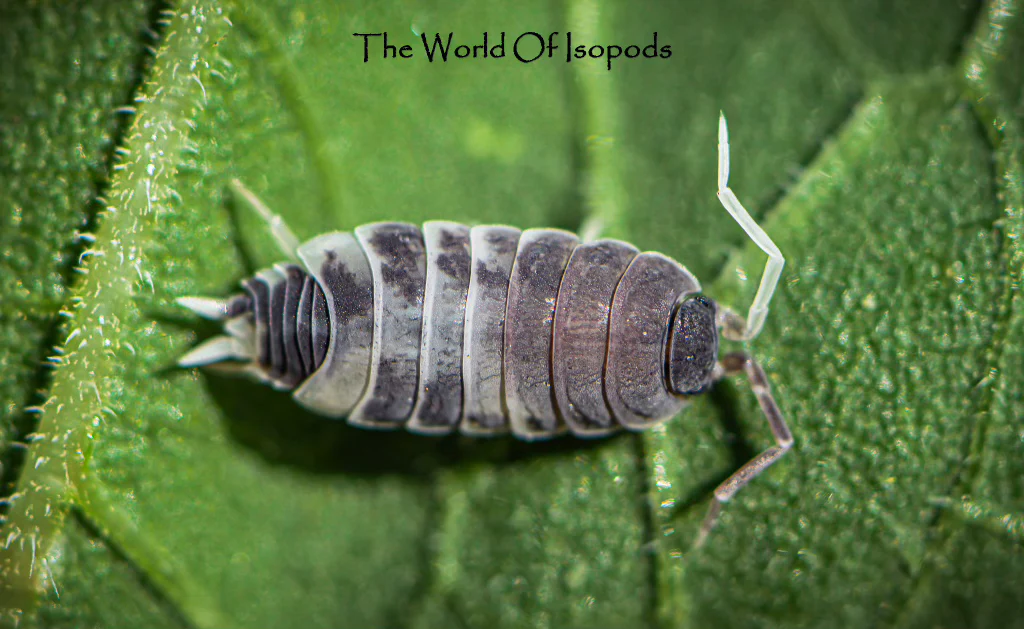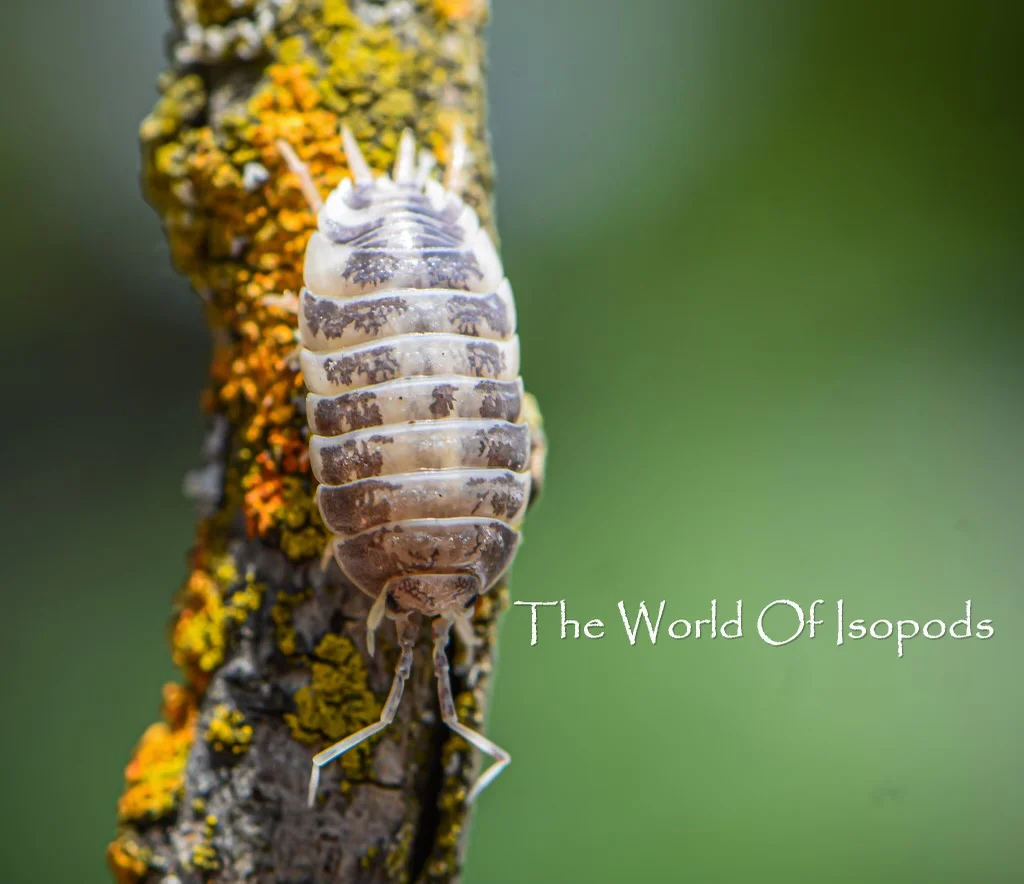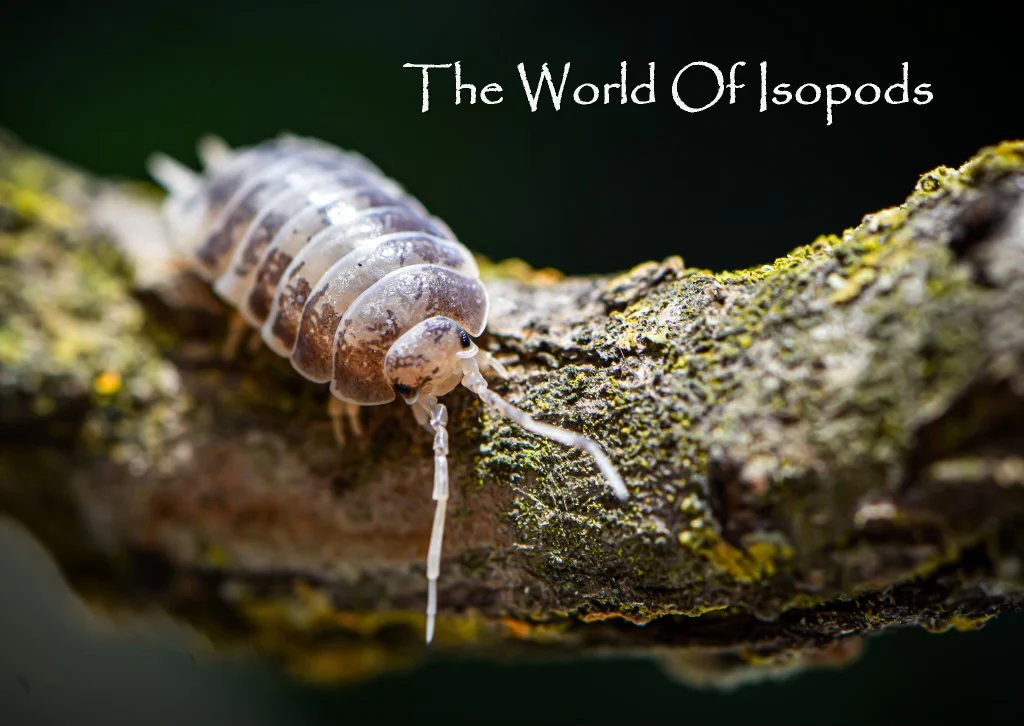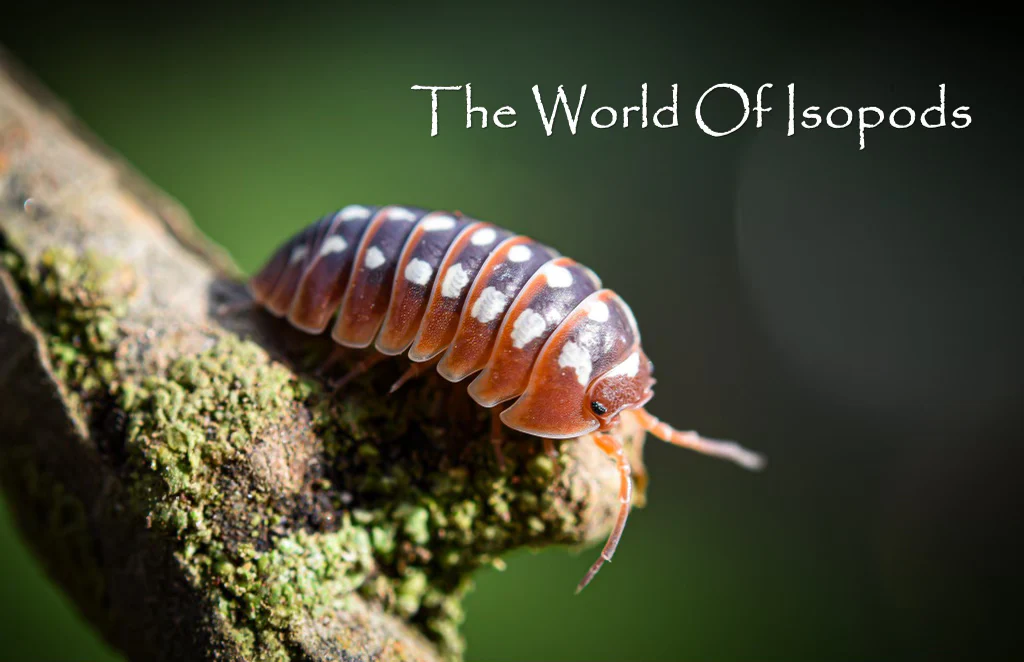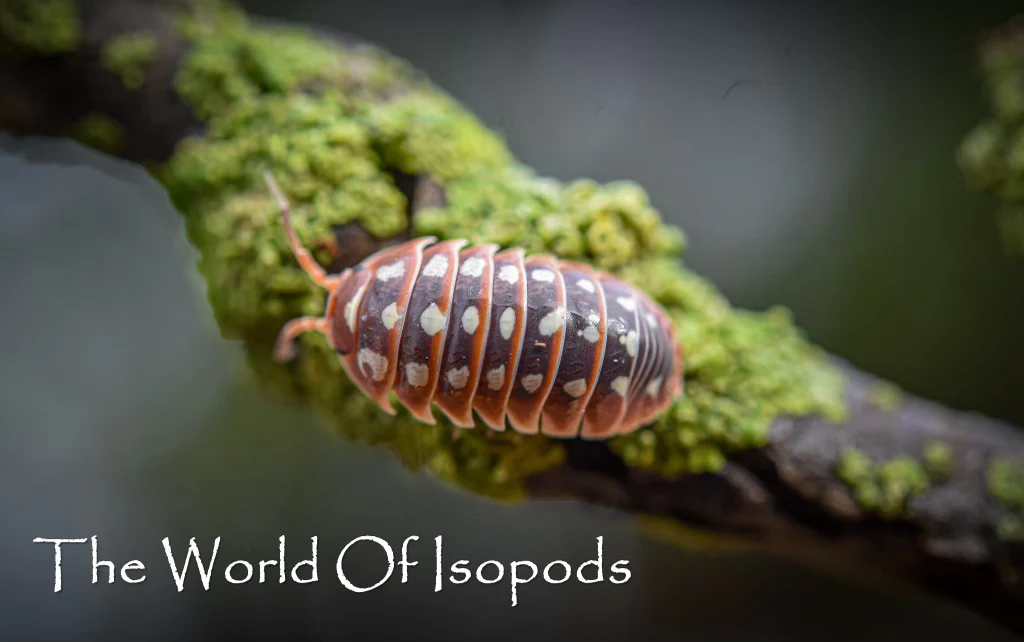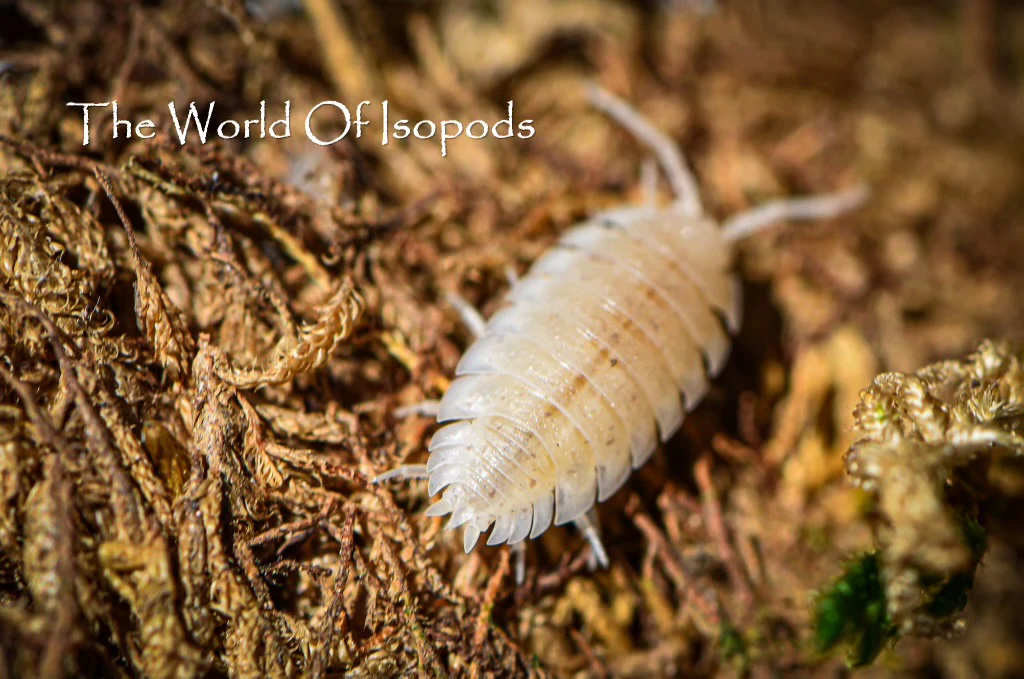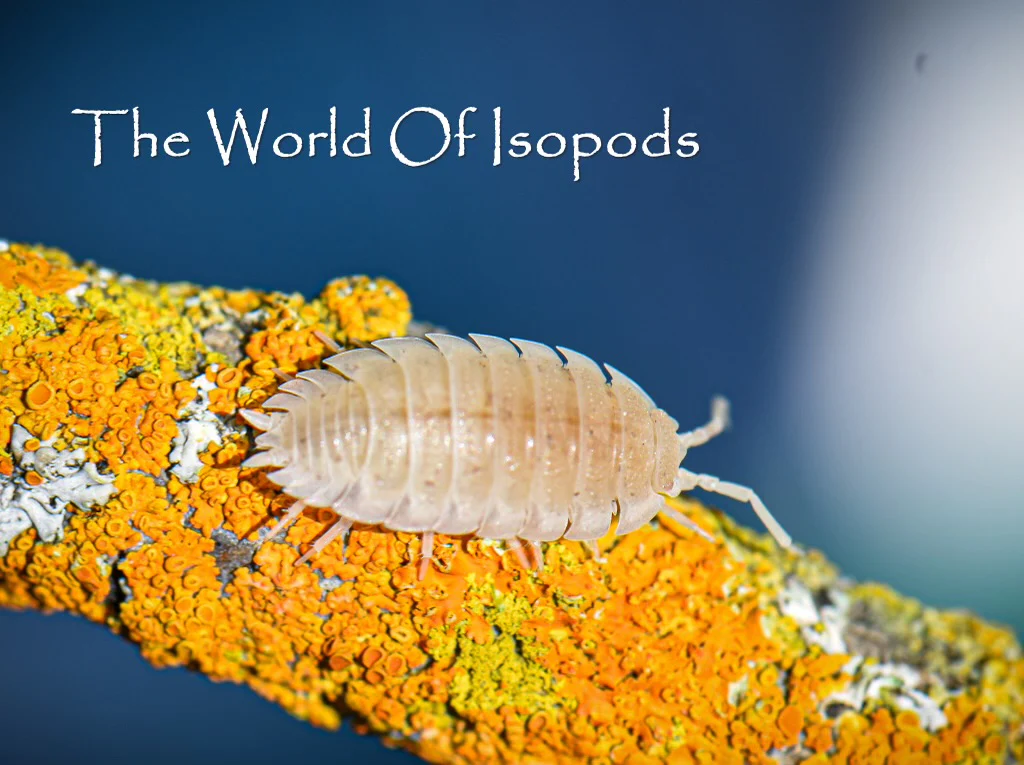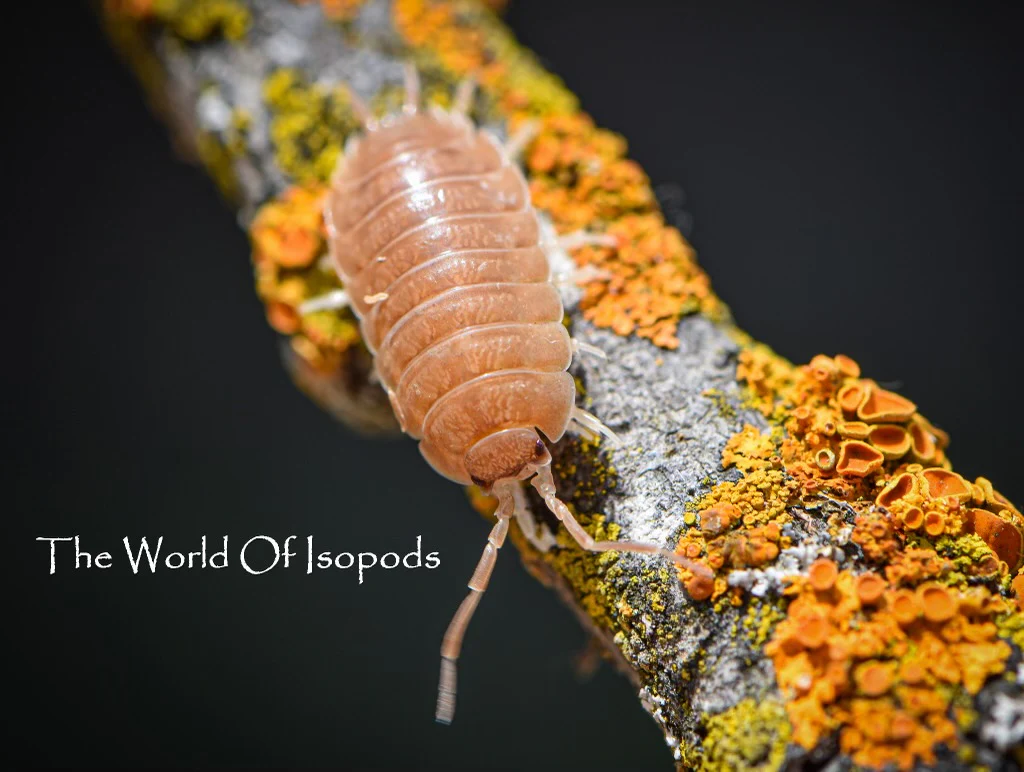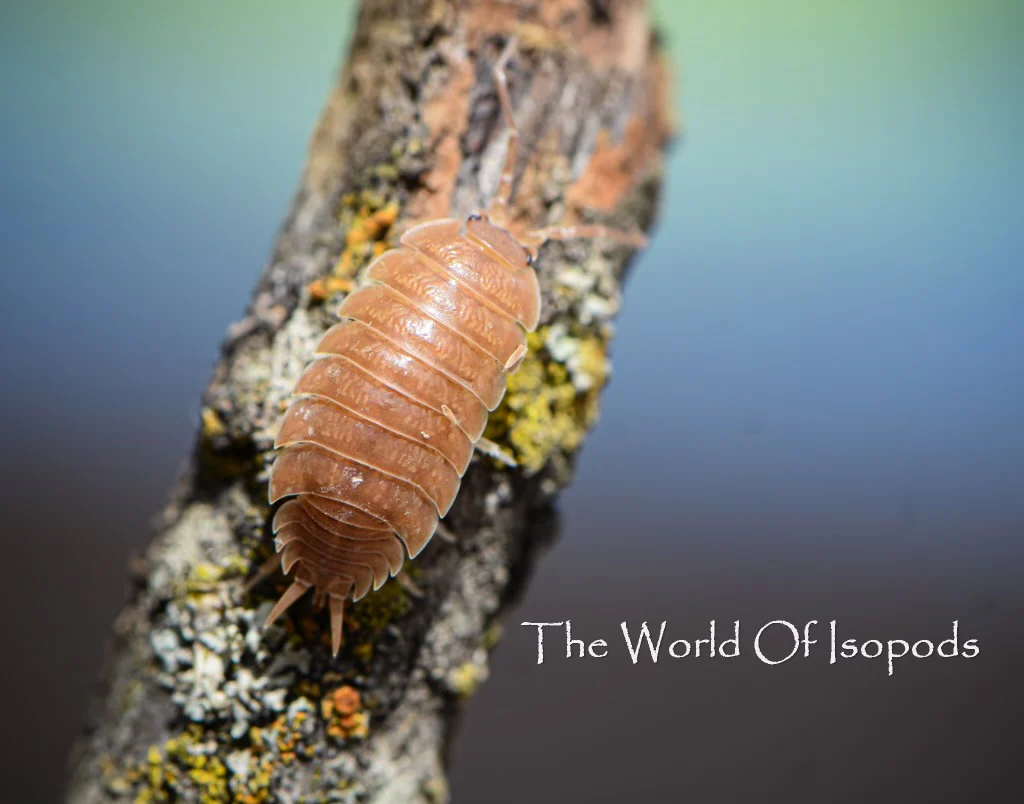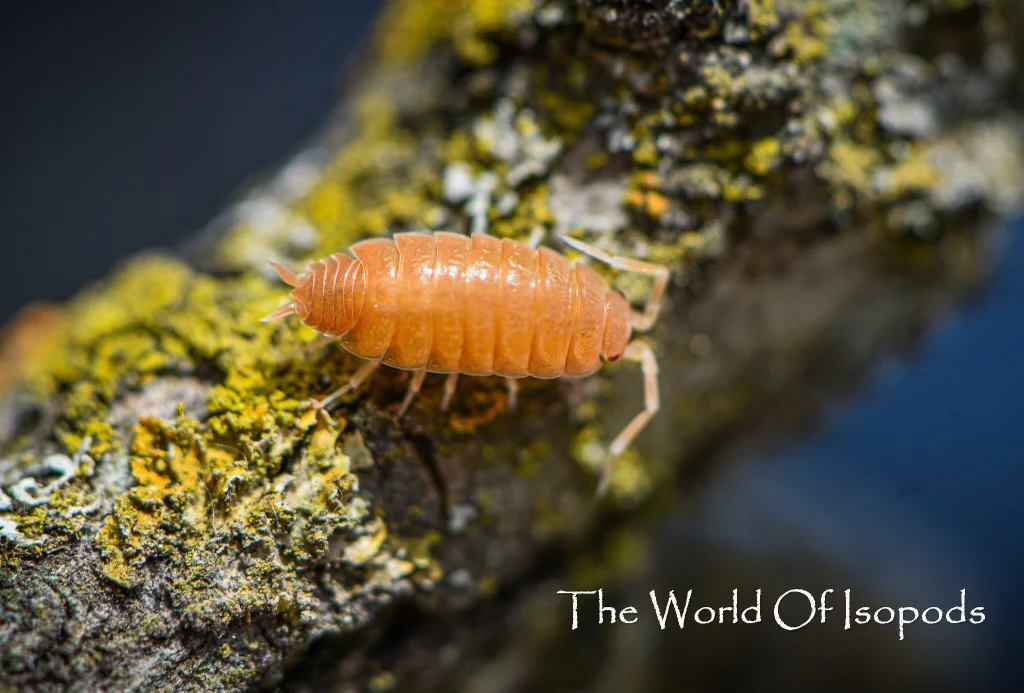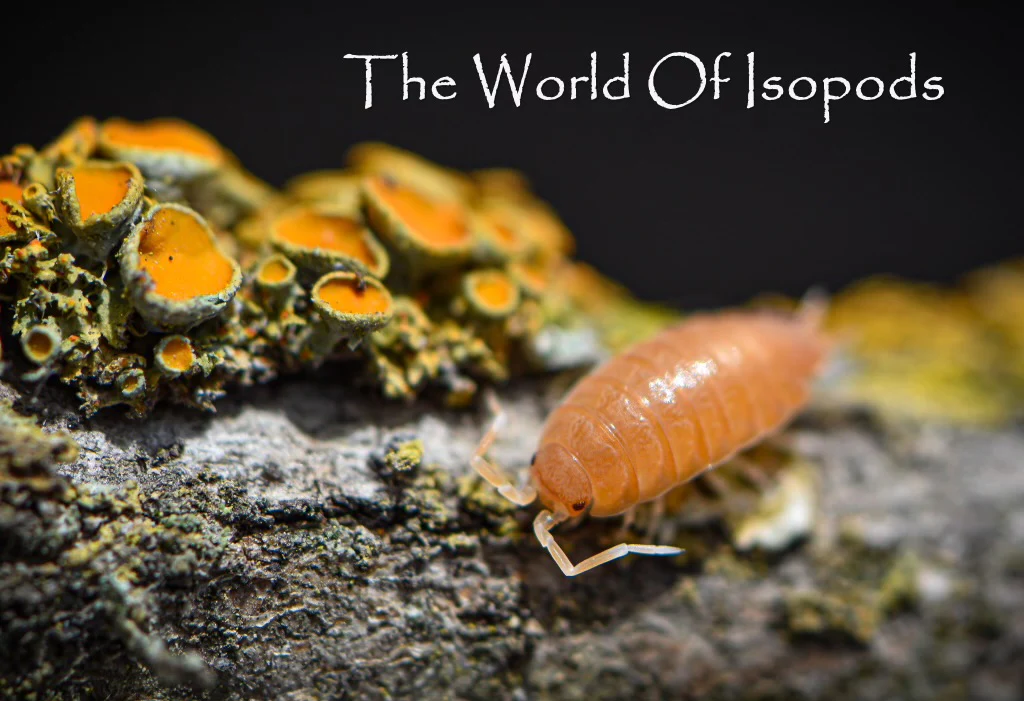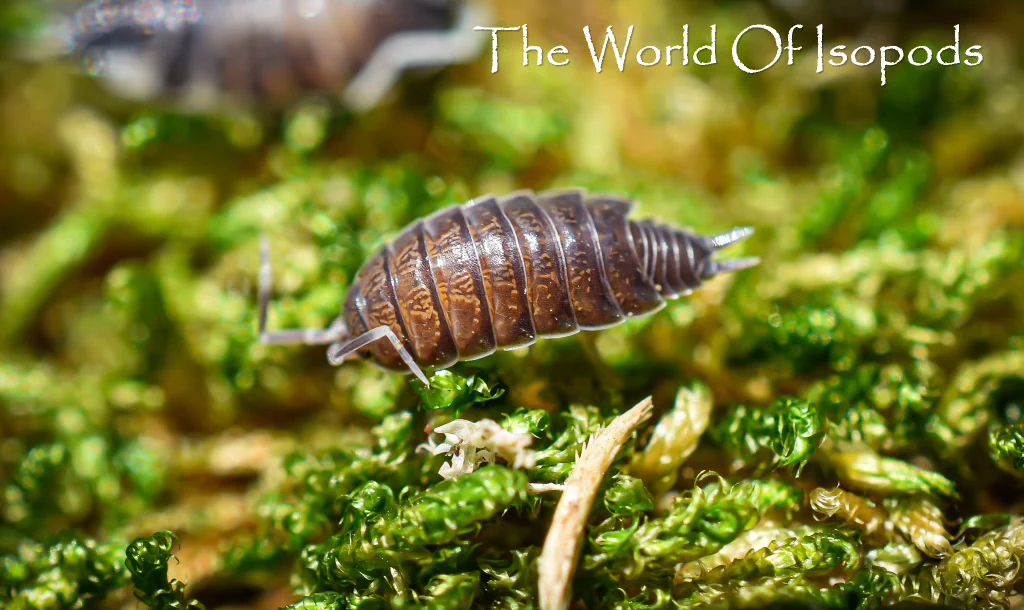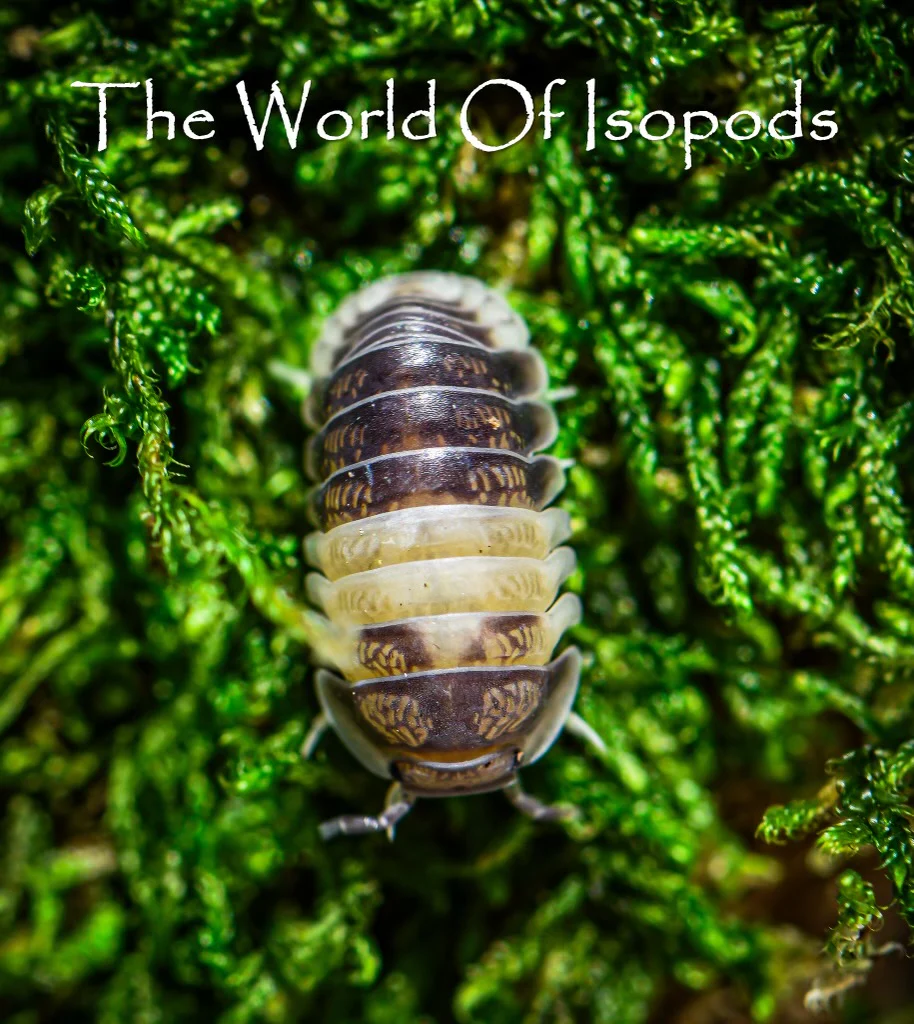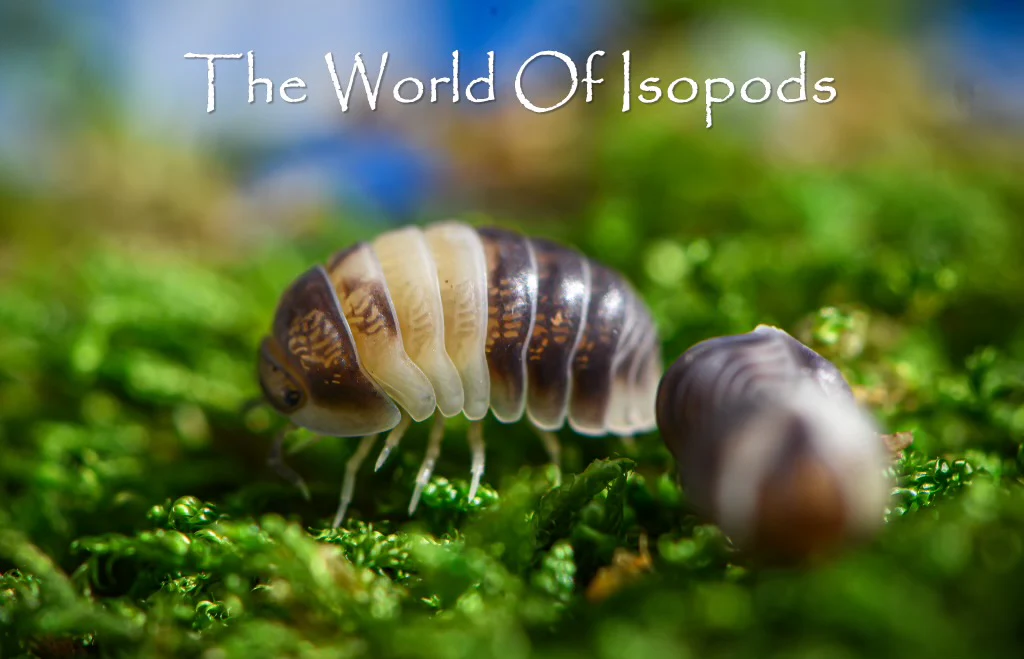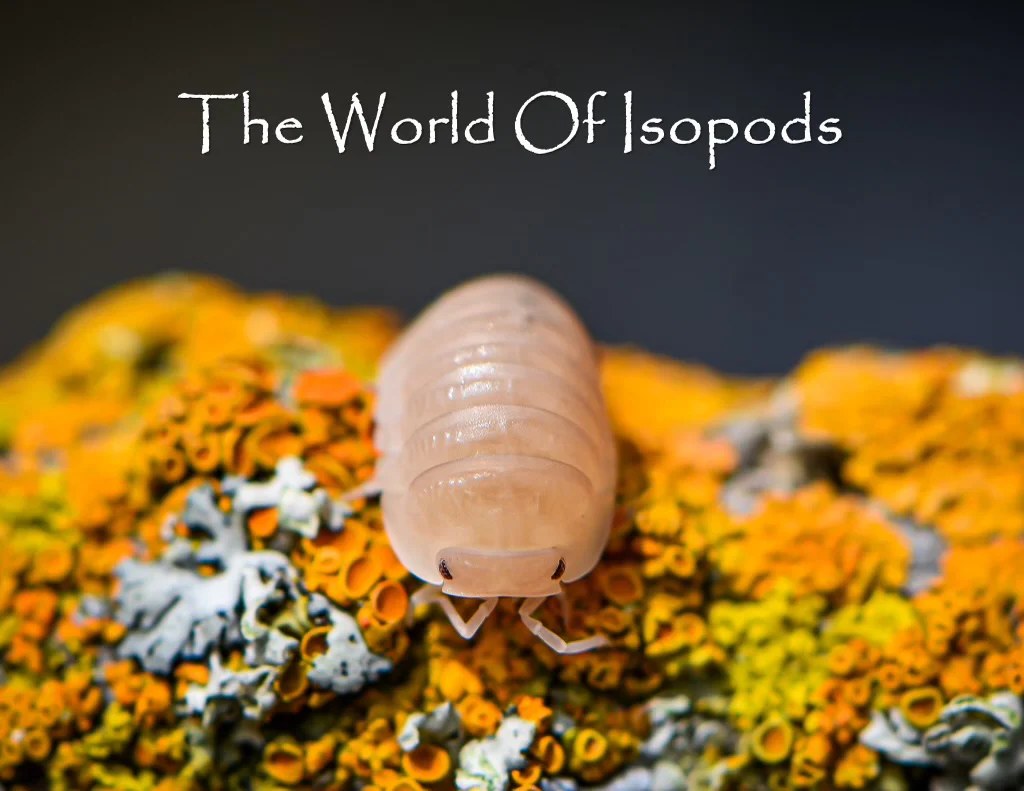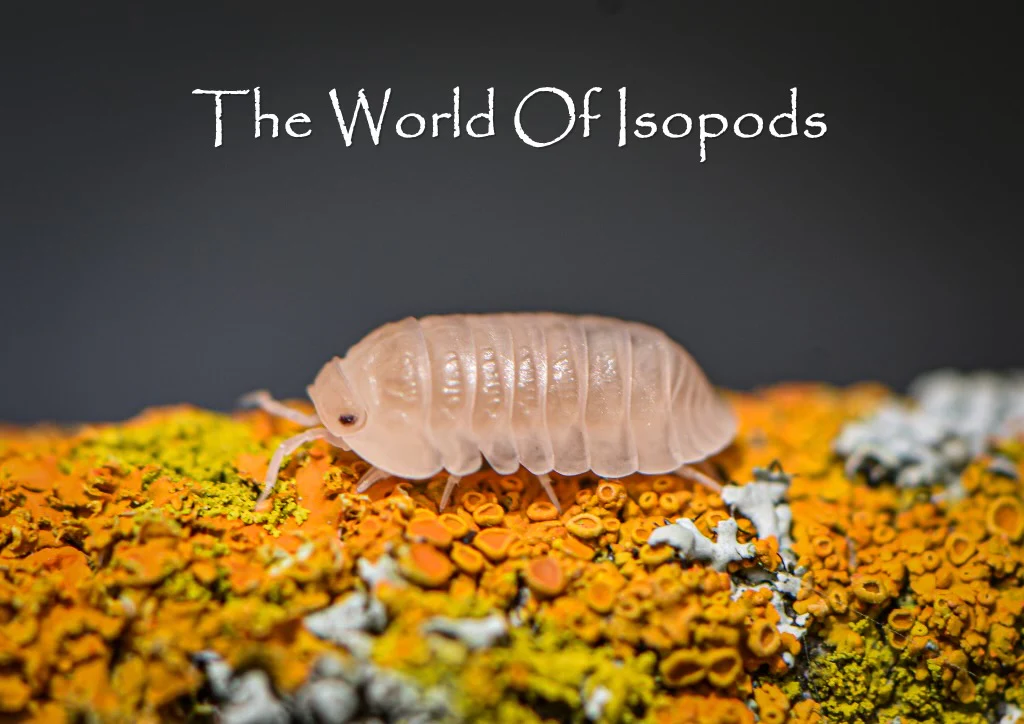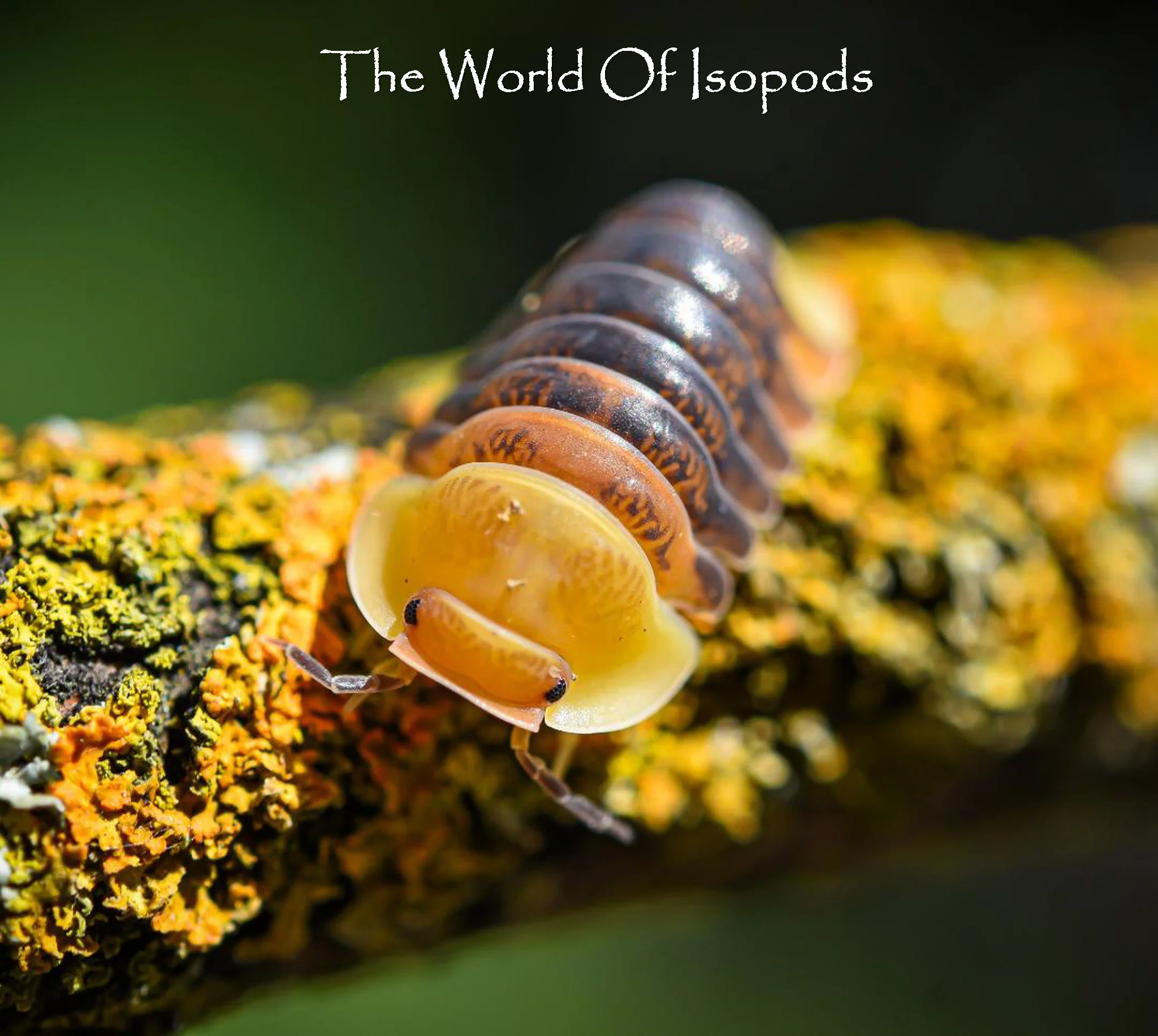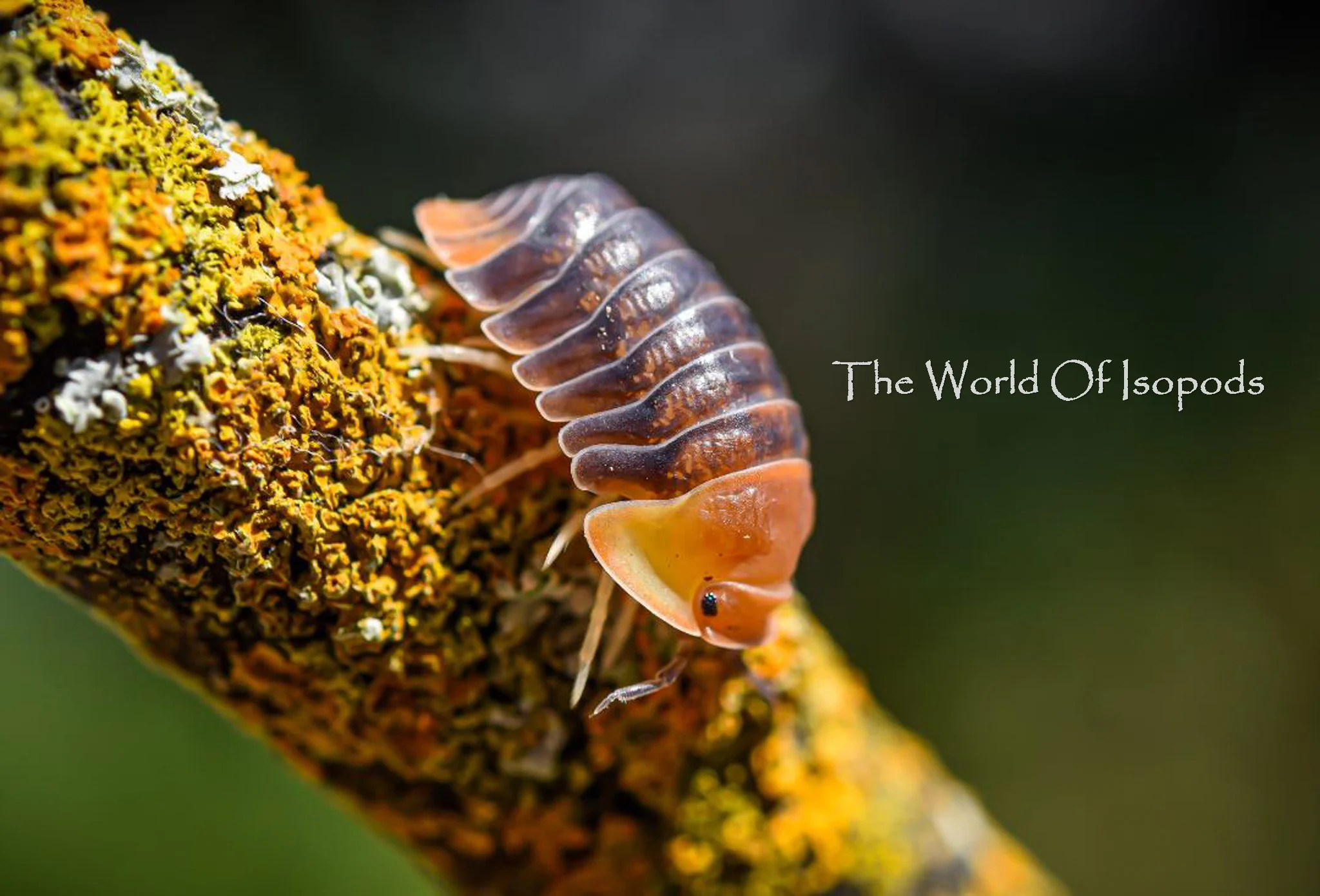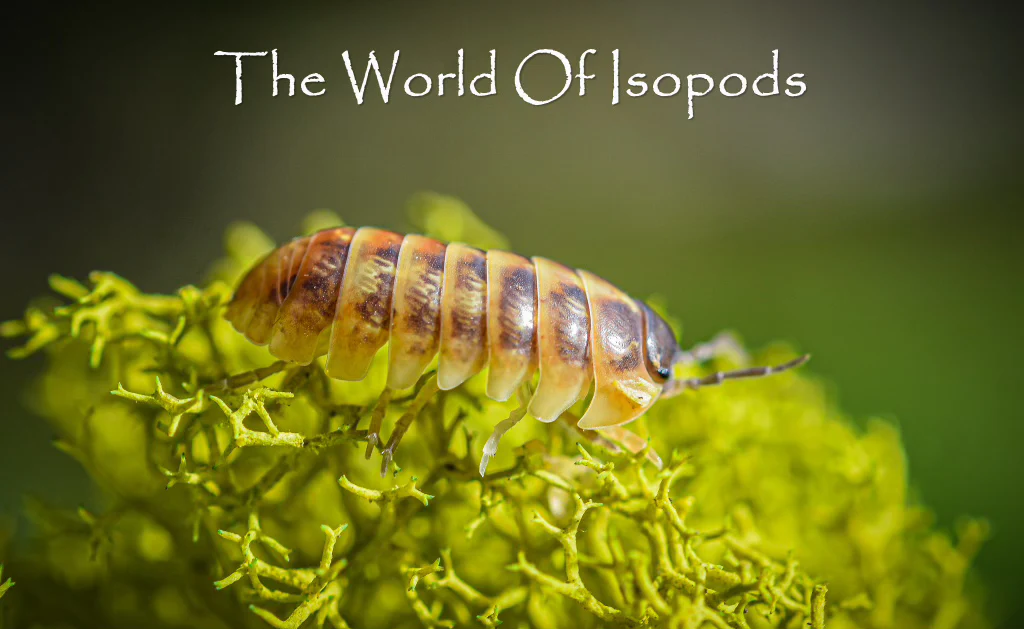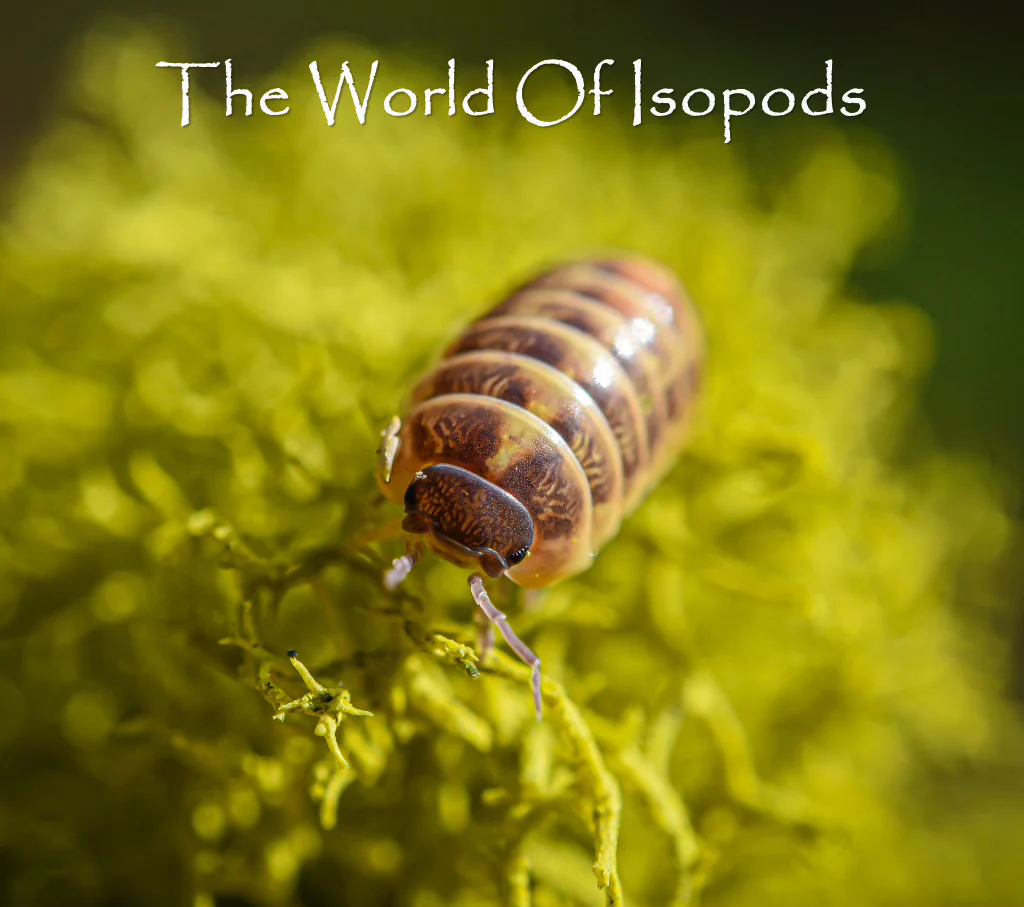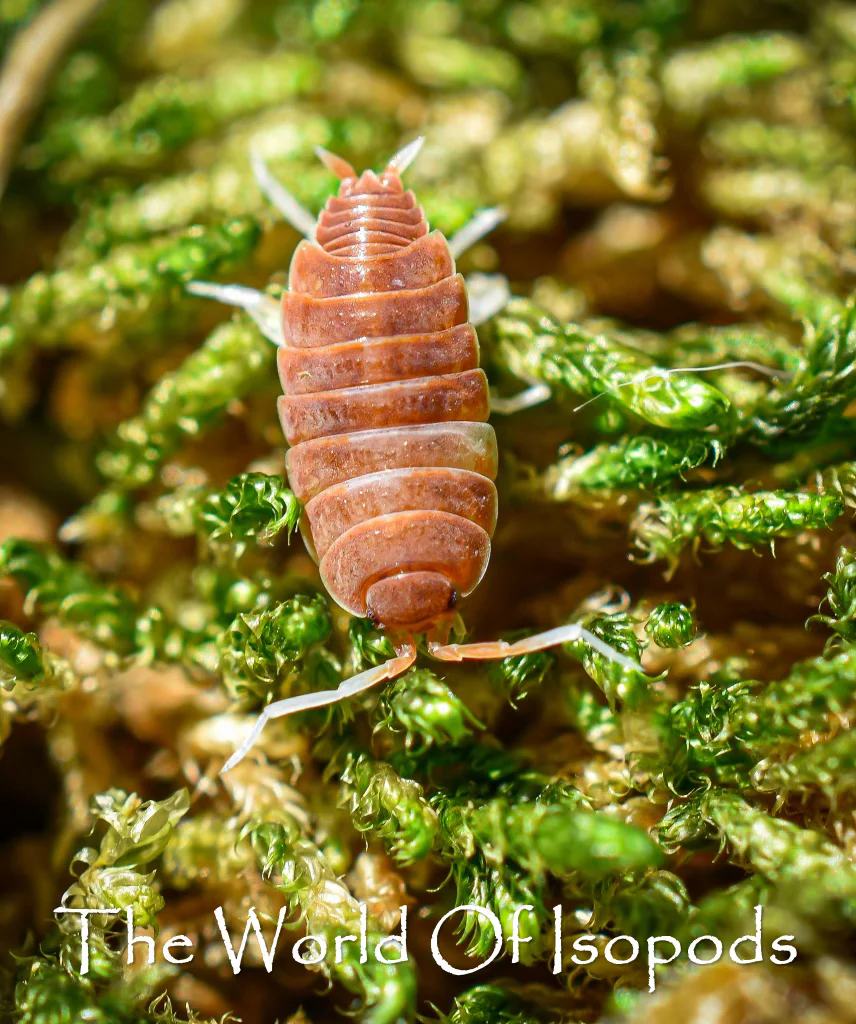
Orange Cream
Orange Cream isopods thrive in a moist, bioactive-style enclosure with plenty of ventilation and hiding spots. Use a substrate mix of organic soil, coco fiber, and leaf litter, kept lightly but consistently damp—not soggy. Provide pieces of cork bark, decaying wood, and dried leaves to mimic their natural habitat and give them places to hide and graze.
They prefer mild, stable temperatures (around typical room temperature) and do best when kept away from direct sunlight or heat sources that can dry them out. Feed a varied diet of leaf litter, decaying wood, fish food pellets, and small amounts of vegetables or fruits as occasional treats. Always remove uneaten fresh food before it molds.
Key care points
-
Enclosure: Well-ventilated plastic bin or terrarium with secure lid
-
Substrate: 2–3" mix of organic soil, coco fiber, and lots of leaf litter
-
Humidity: Moist but not waterlogged; provide both damp and slightly drier areas
-
Hides: Cork bark, bark chunks, and leaf piles for cover
-
Temperature: Roughly 68–75°F (20–24°C), avoid extremes
-
Diet: Leaf litter and decaying wood as staples; supplement with fish flakes, cuttlebone, and small veggie/fruit pieces
Cleanup: Spot-clean moldy food and refresh leaf litter/wood as needed(Please Read Shipping Policy)
Original: $10.00
-65%$10.00
$3.50Product Information
Product Information
Shipping & Returns
Shipping & Returns
Description
Orange Cream isopods thrive in a moist, bioactive-style enclosure with plenty of ventilation and hiding spots. Use a substrate mix of organic soil, coco fiber, and leaf litter, kept lightly but consistently damp—not soggy. Provide pieces of cork bark, decaying wood, and dried leaves to mimic their natural habitat and give them places to hide and graze.
They prefer mild, stable temperatures (around typical room temperature) and do best when kept away from direct sunlight or heat sources that can dry them out. Feed a varied diet of leaf litter, decaying wood, fish food pellets, and small amounts of vegetables or fruits as occasional treats. Always remove uneaten fresh food before it molds.
Key care points
-
Enclosure: Well-ventilated plastic bin or terrarium with secure lid
-
Substrate: 2–3" mix of organic soil, coco fiber, and lots of leaf litter
-
Humidity: Moist but not waterlogged; provide both damp and slightly drier areas
-
Hides: Cork bark, bark chunks, and leaf piles for cover
-
Temperature: Roughly 68–75°F (20–24°C), avoid extremes
-
Diet: Leaf litter and decaying wood as staples; supplement with fish flakes, cuttlebone, and small veggie/fruit pieces
Cleanup: Spot-clean moldy food and refresh leaf litter/wood as needed(Please Read Shipping Policy)