Pearls
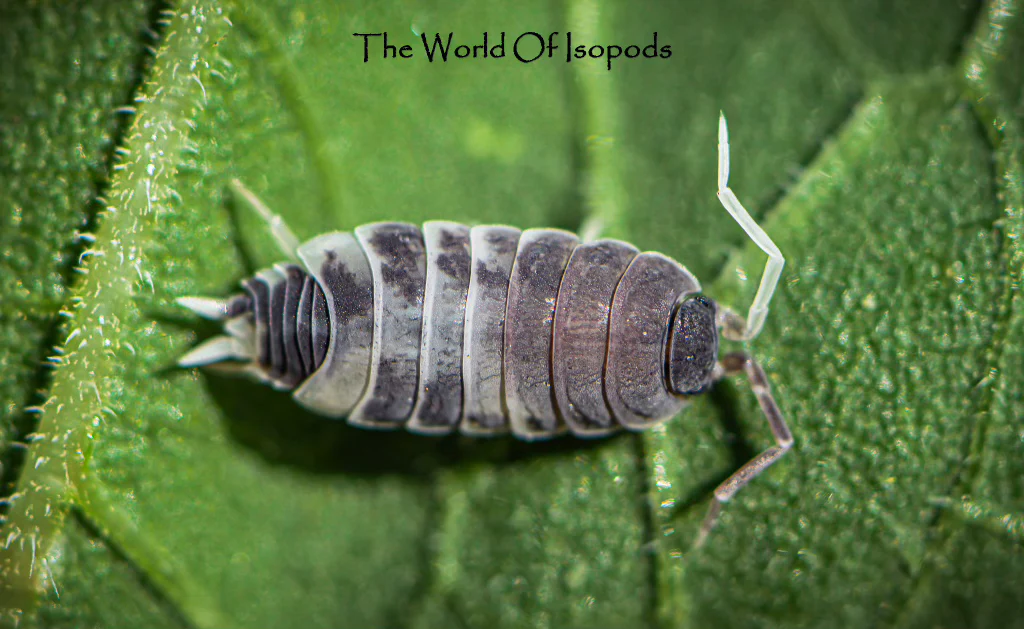
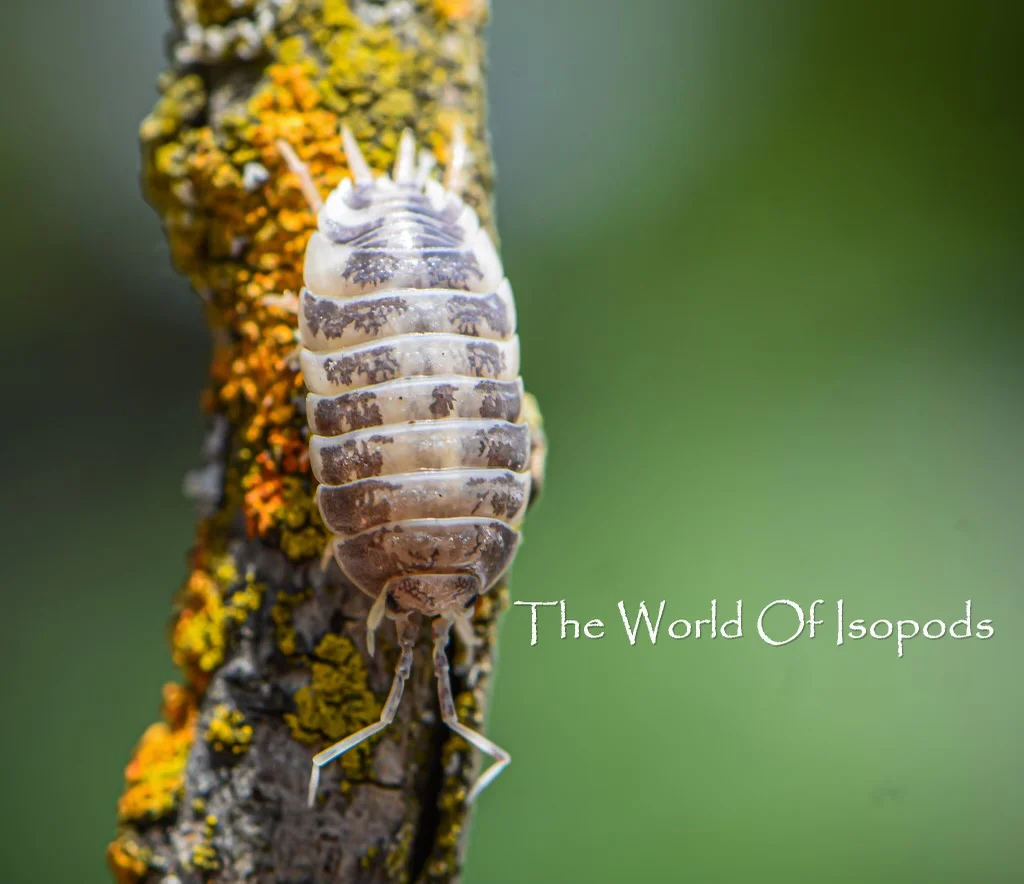
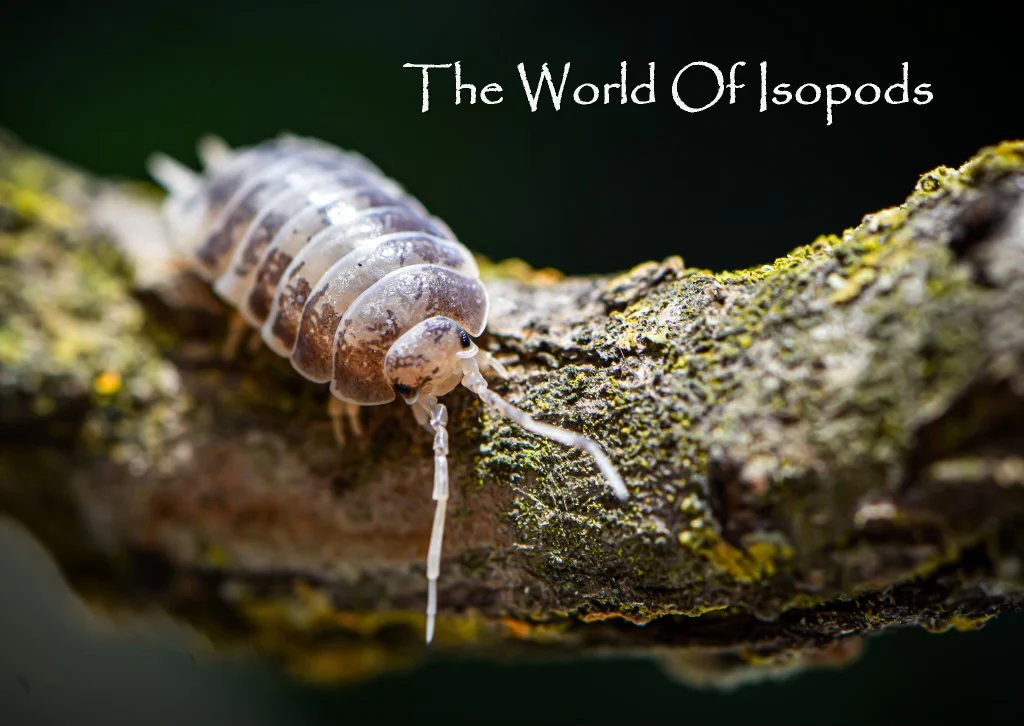
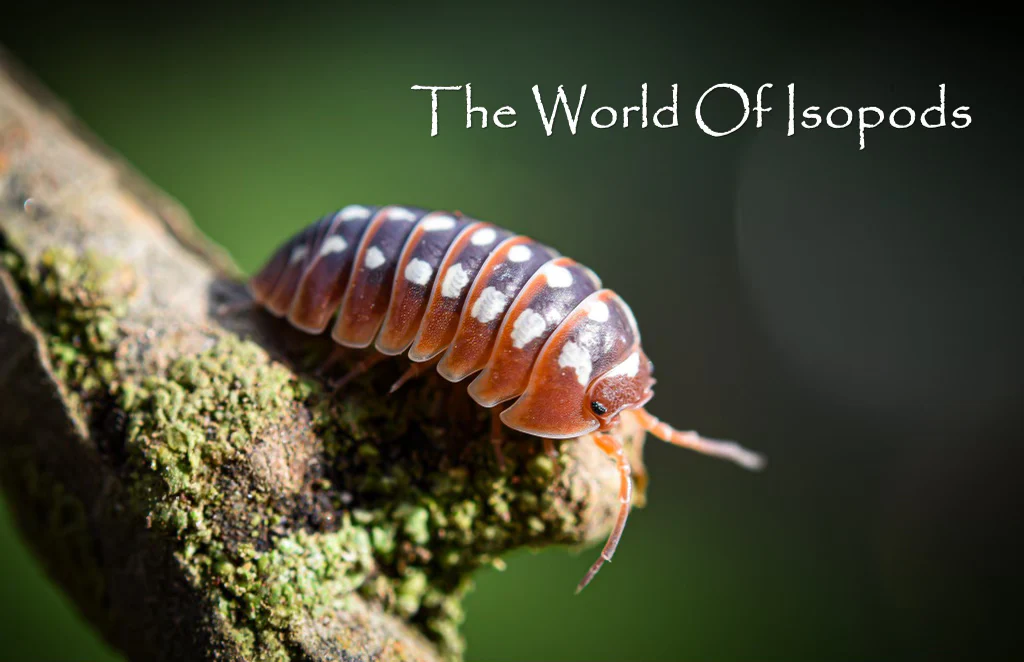
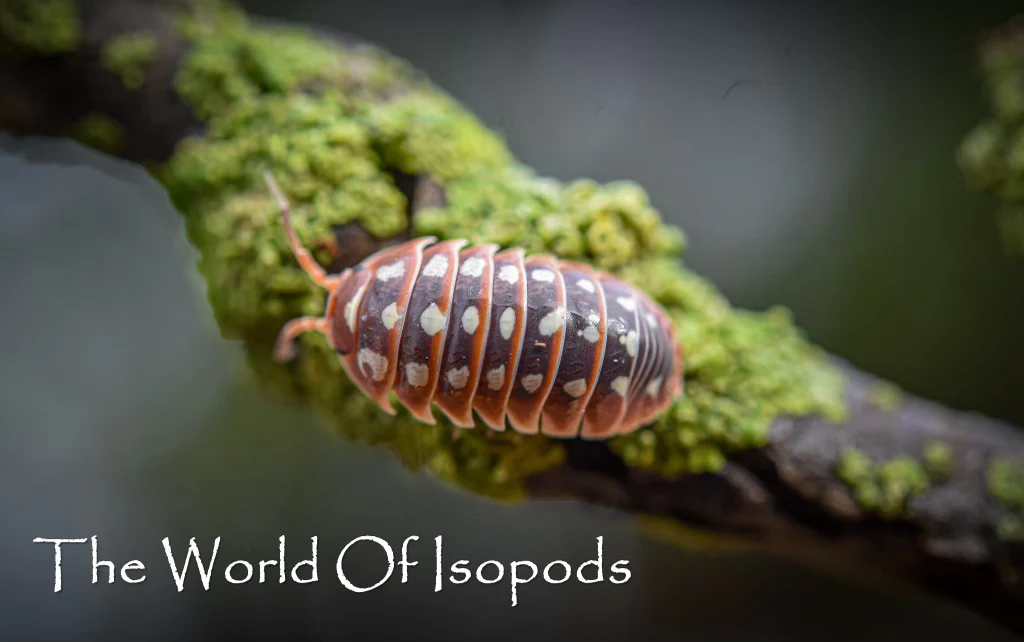
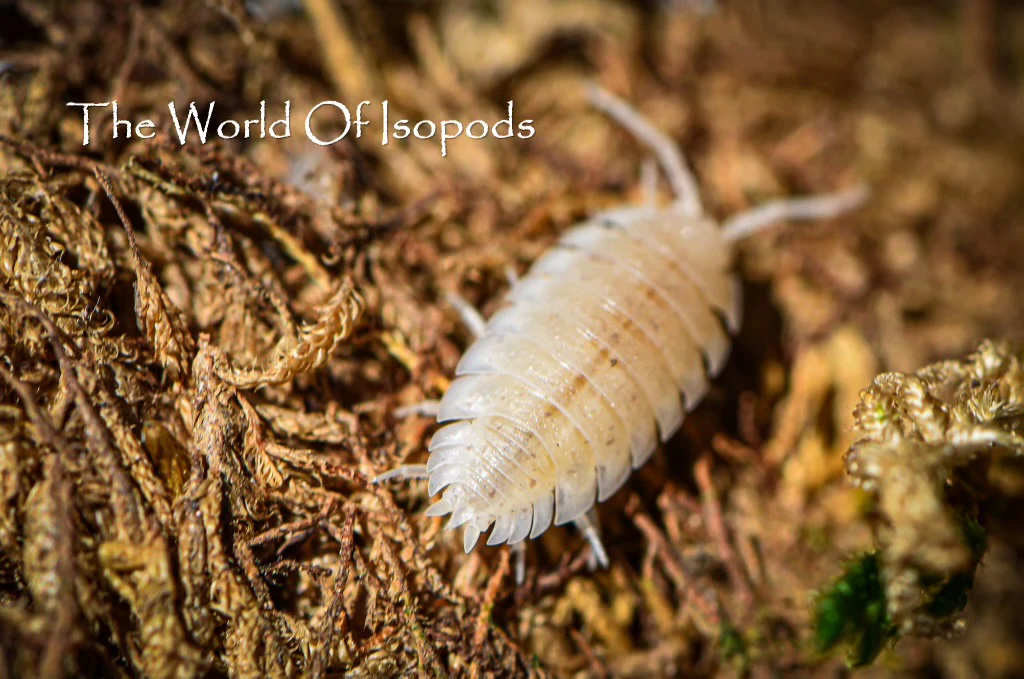
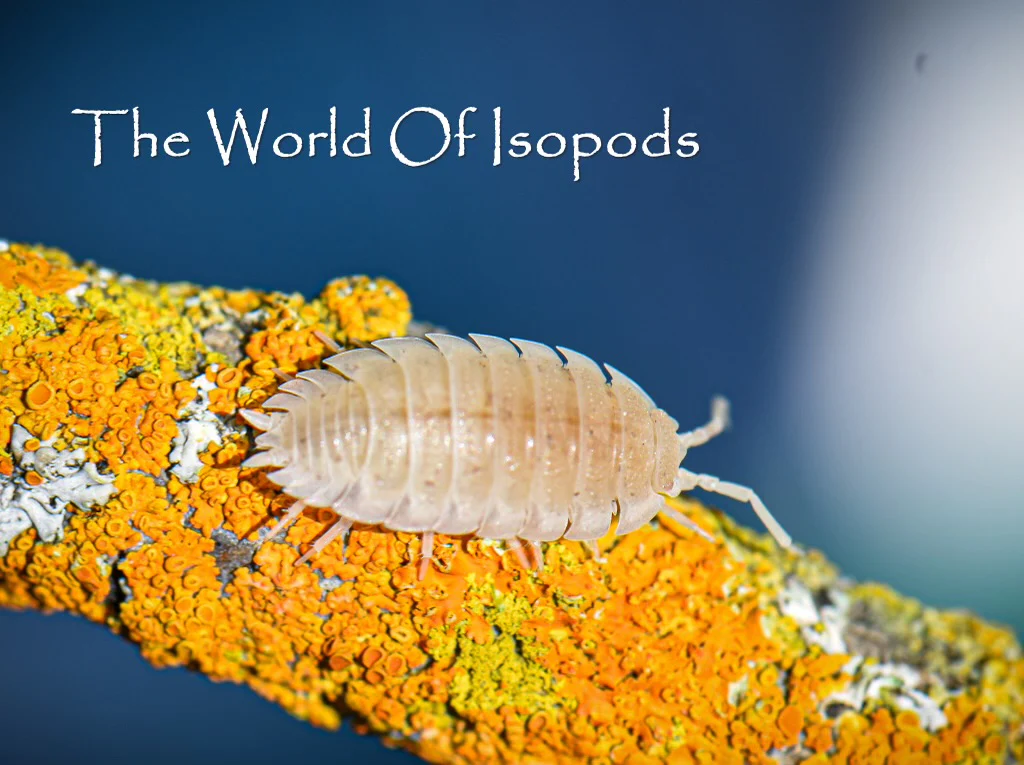
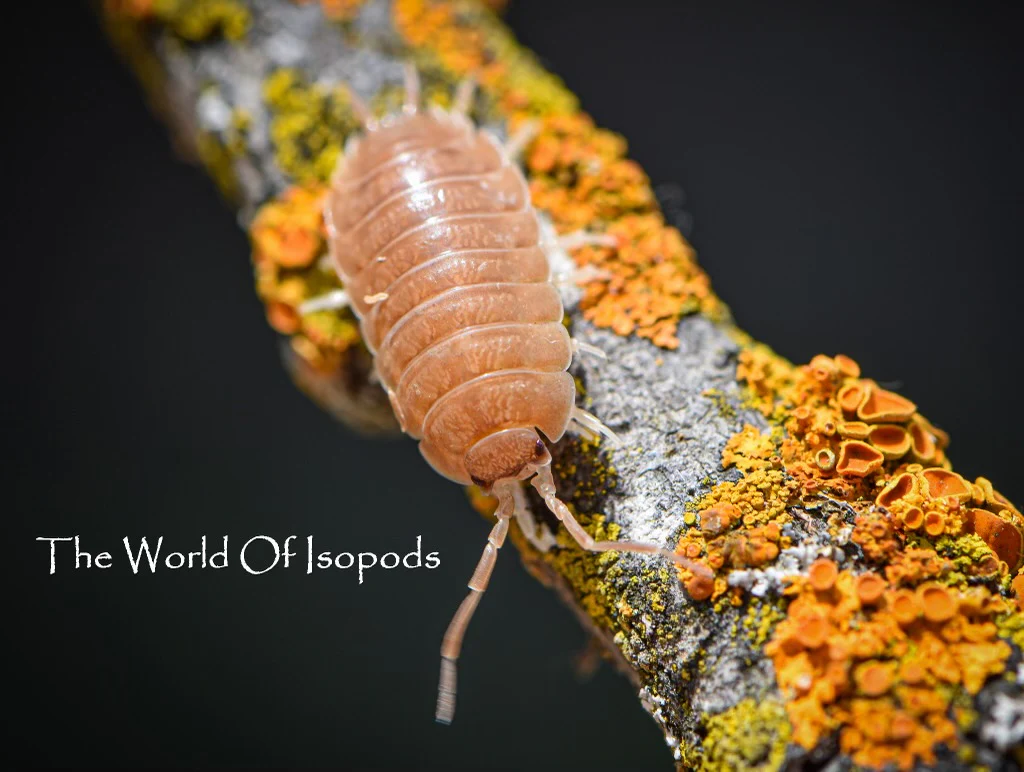
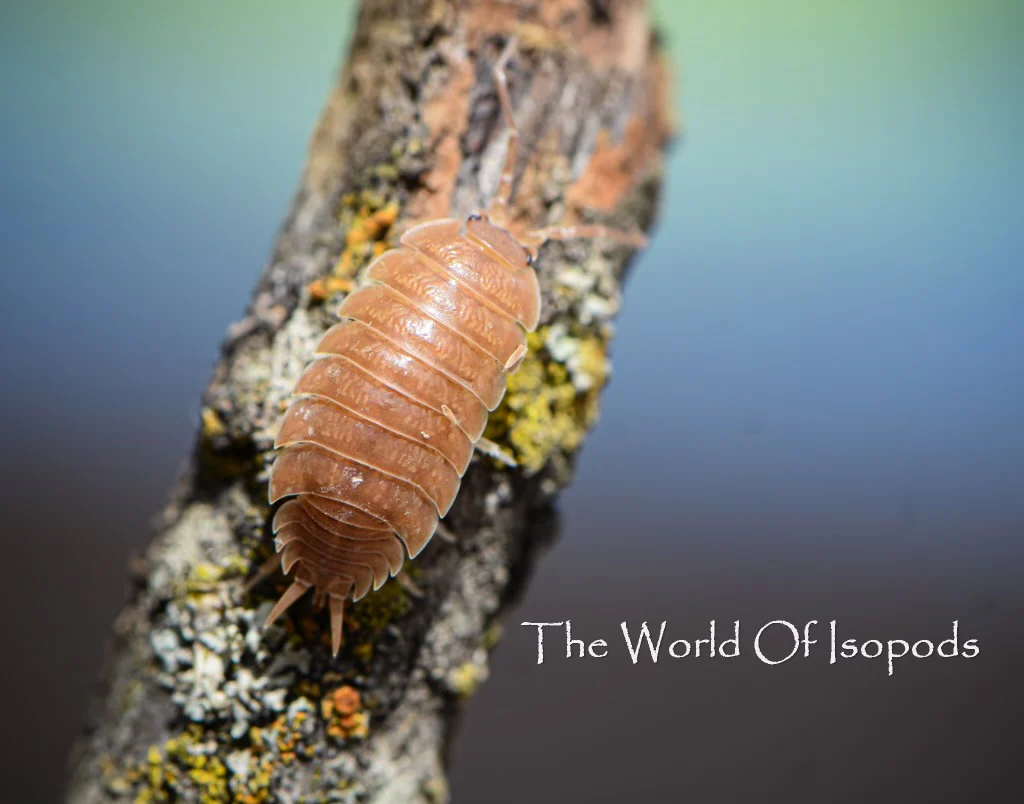
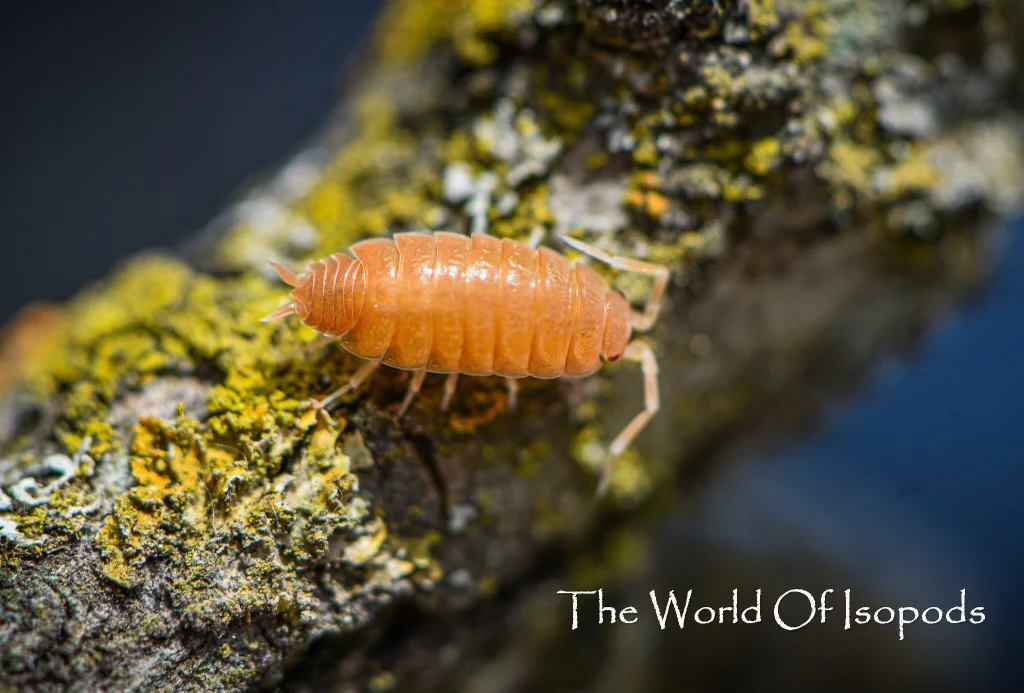
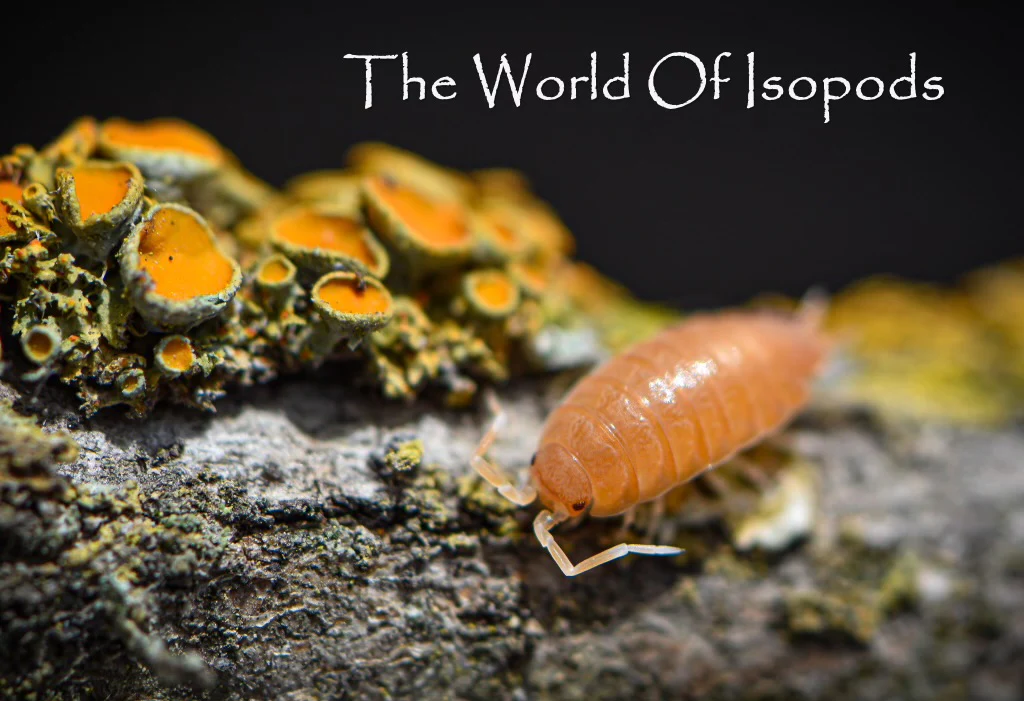
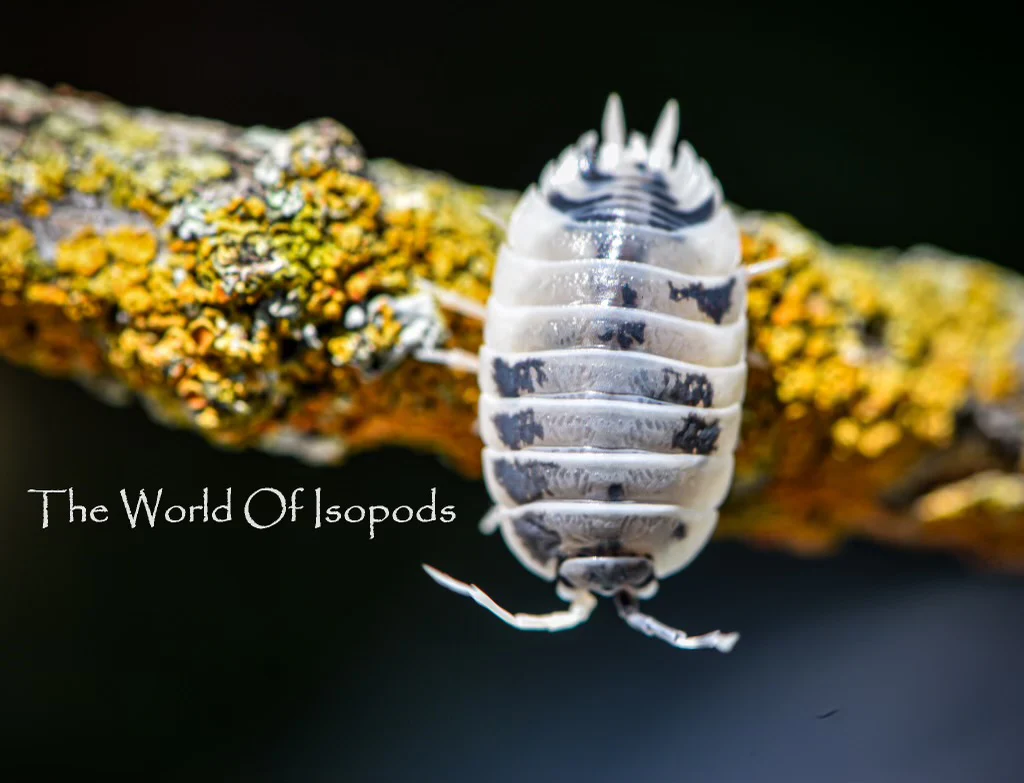
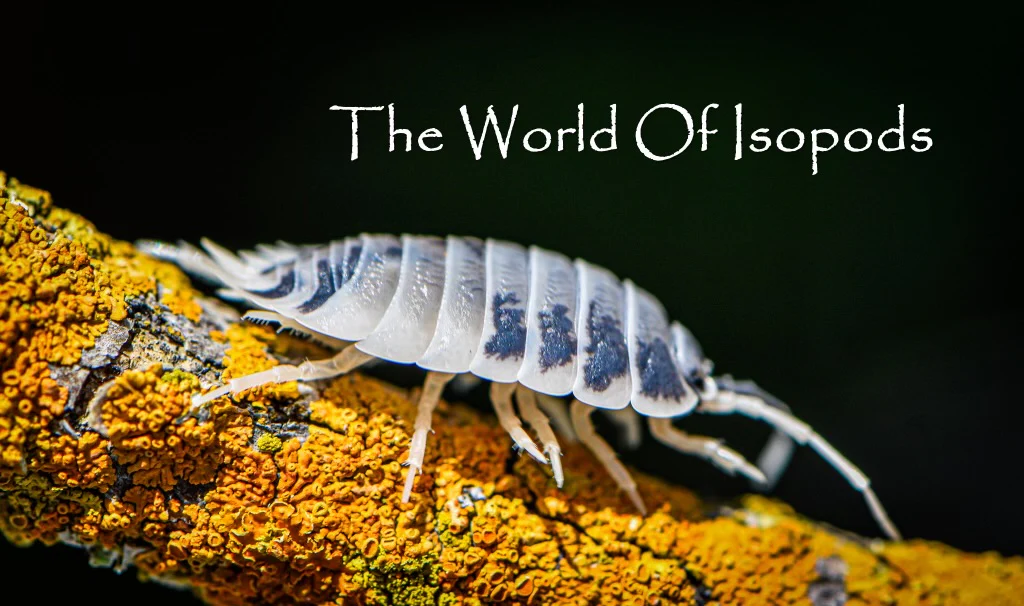
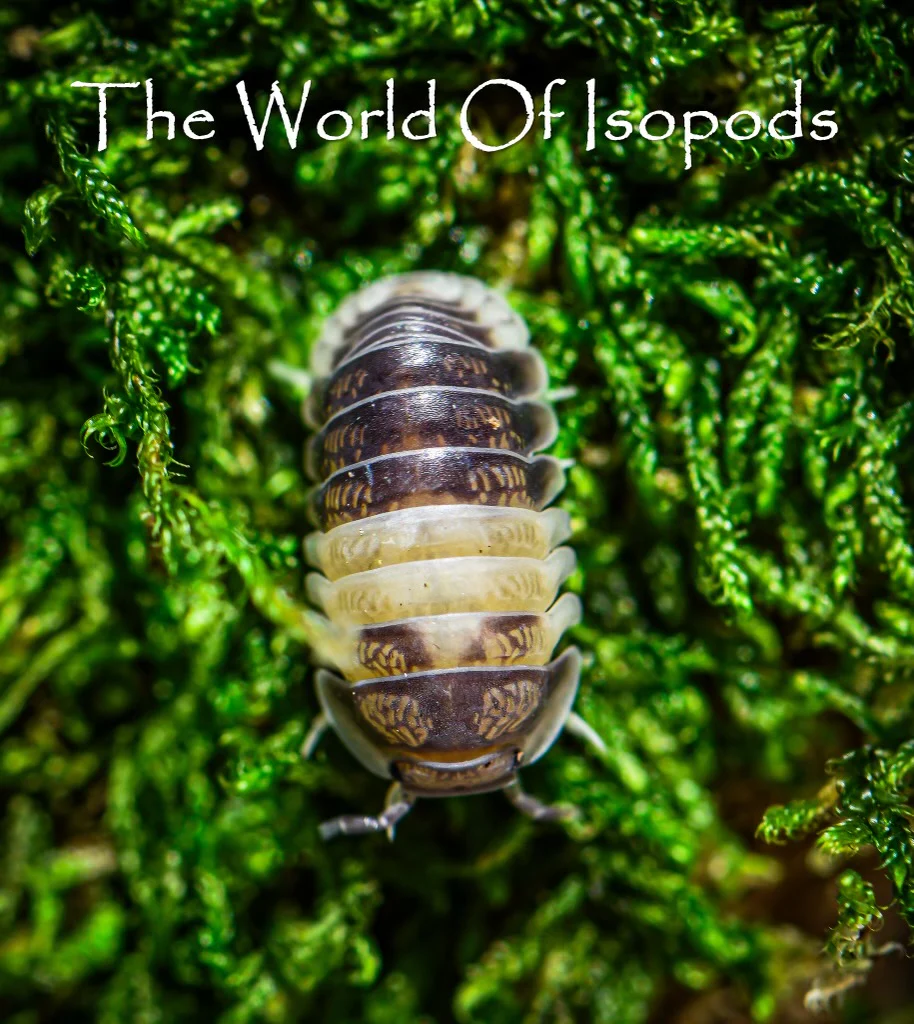
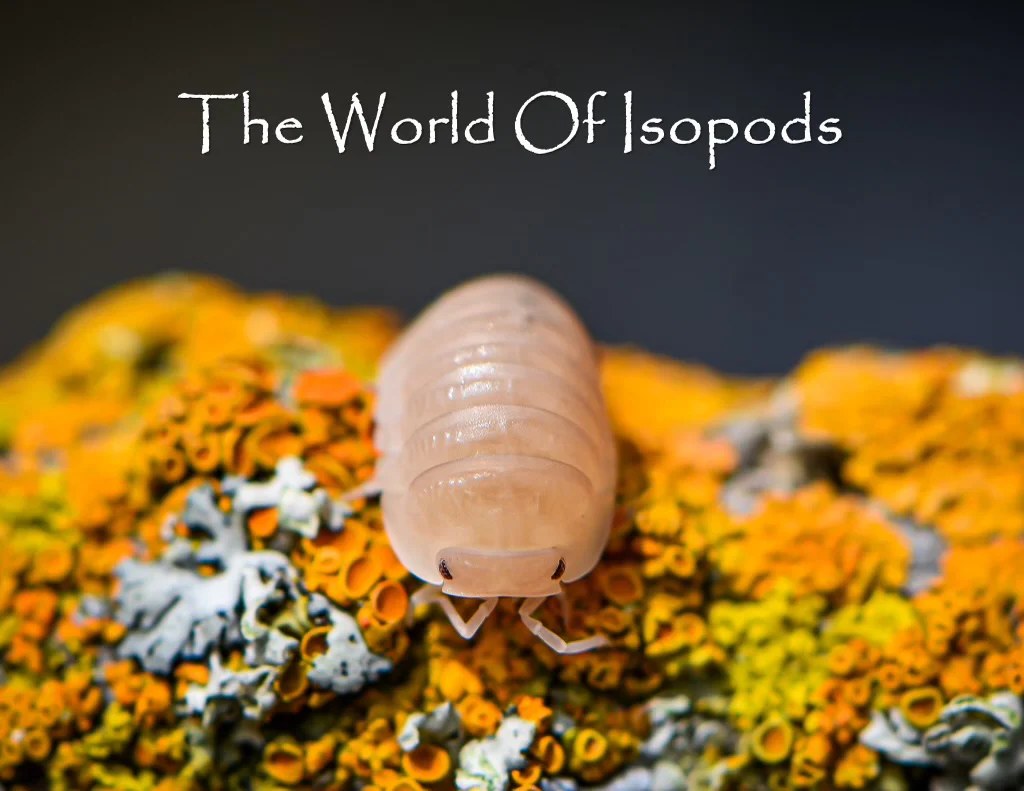
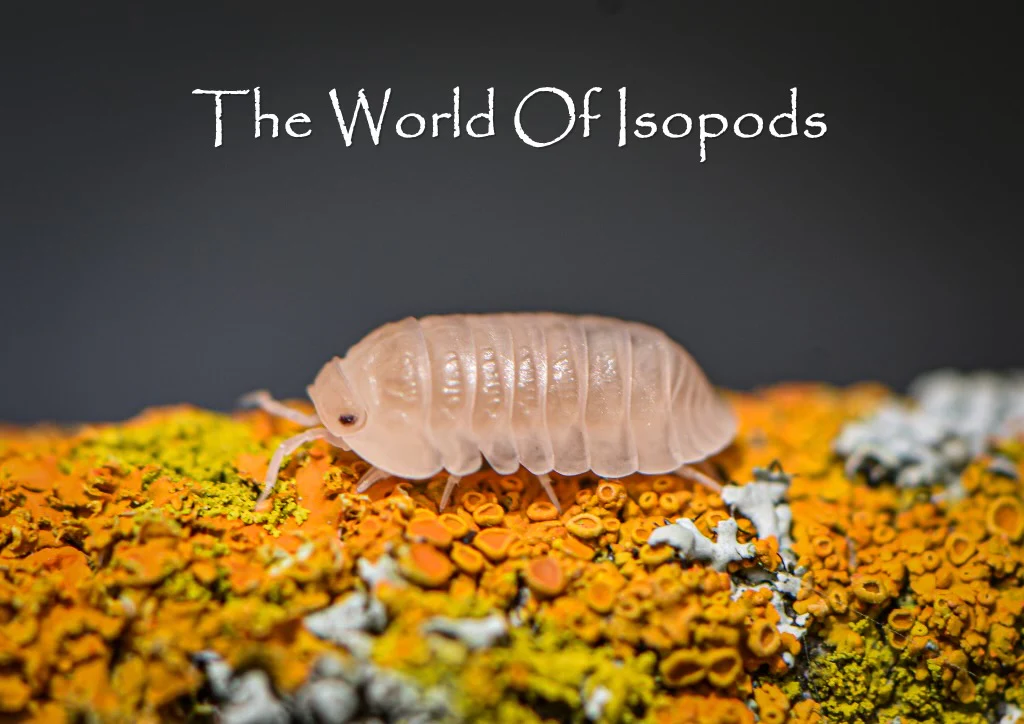
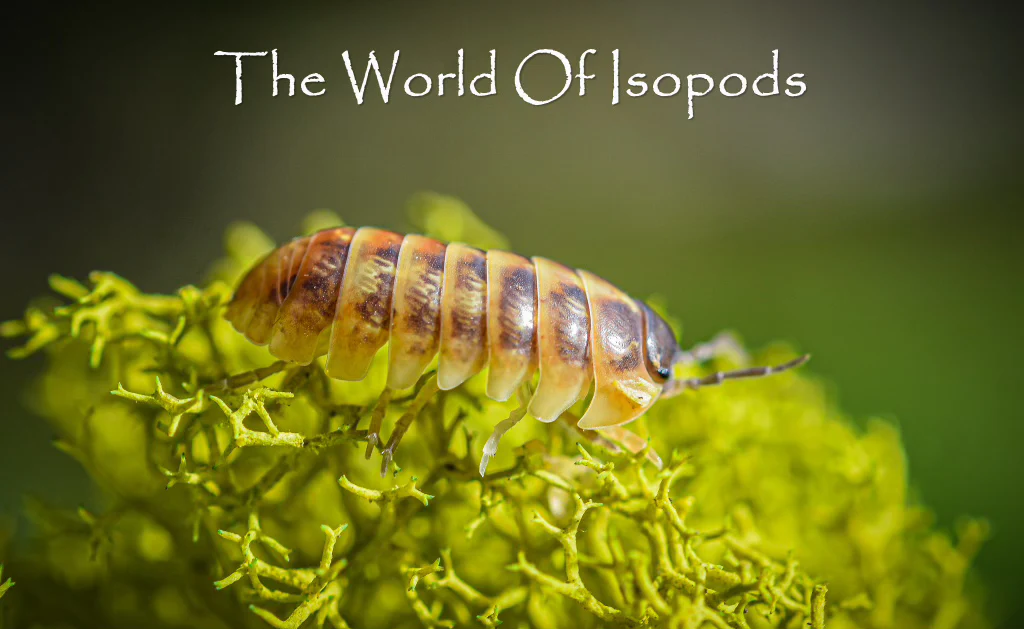
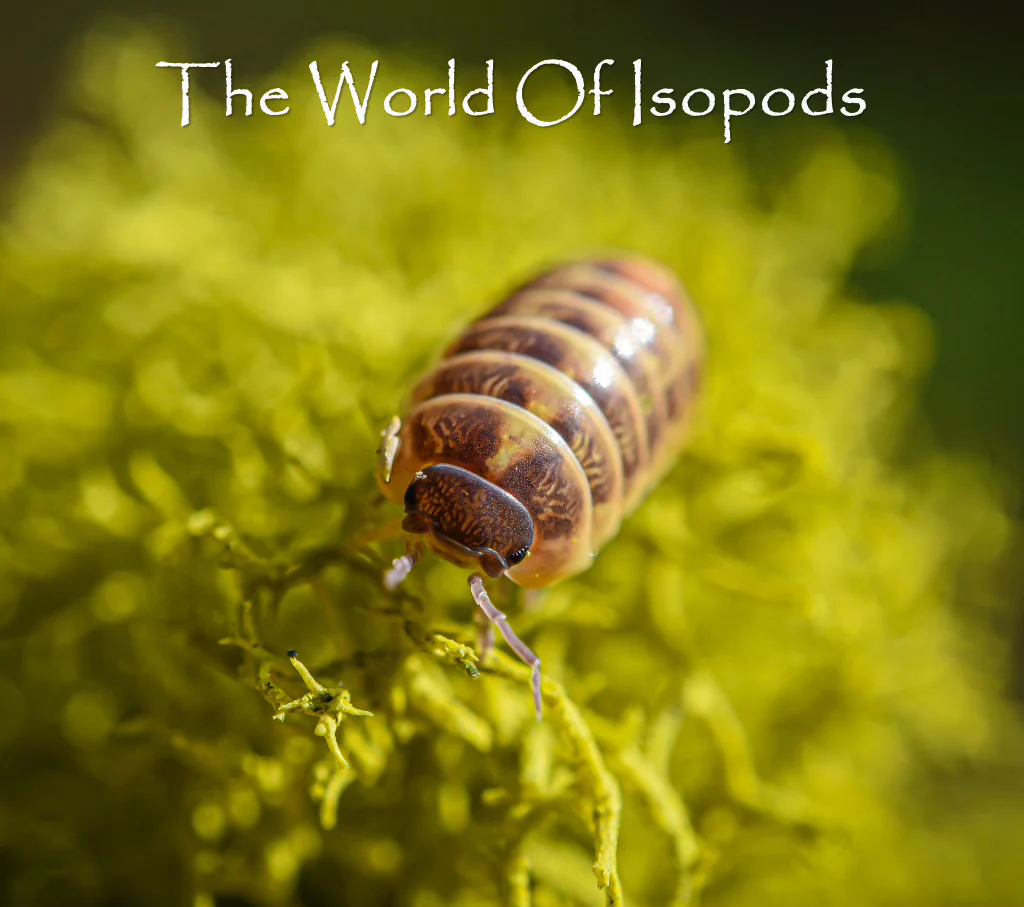
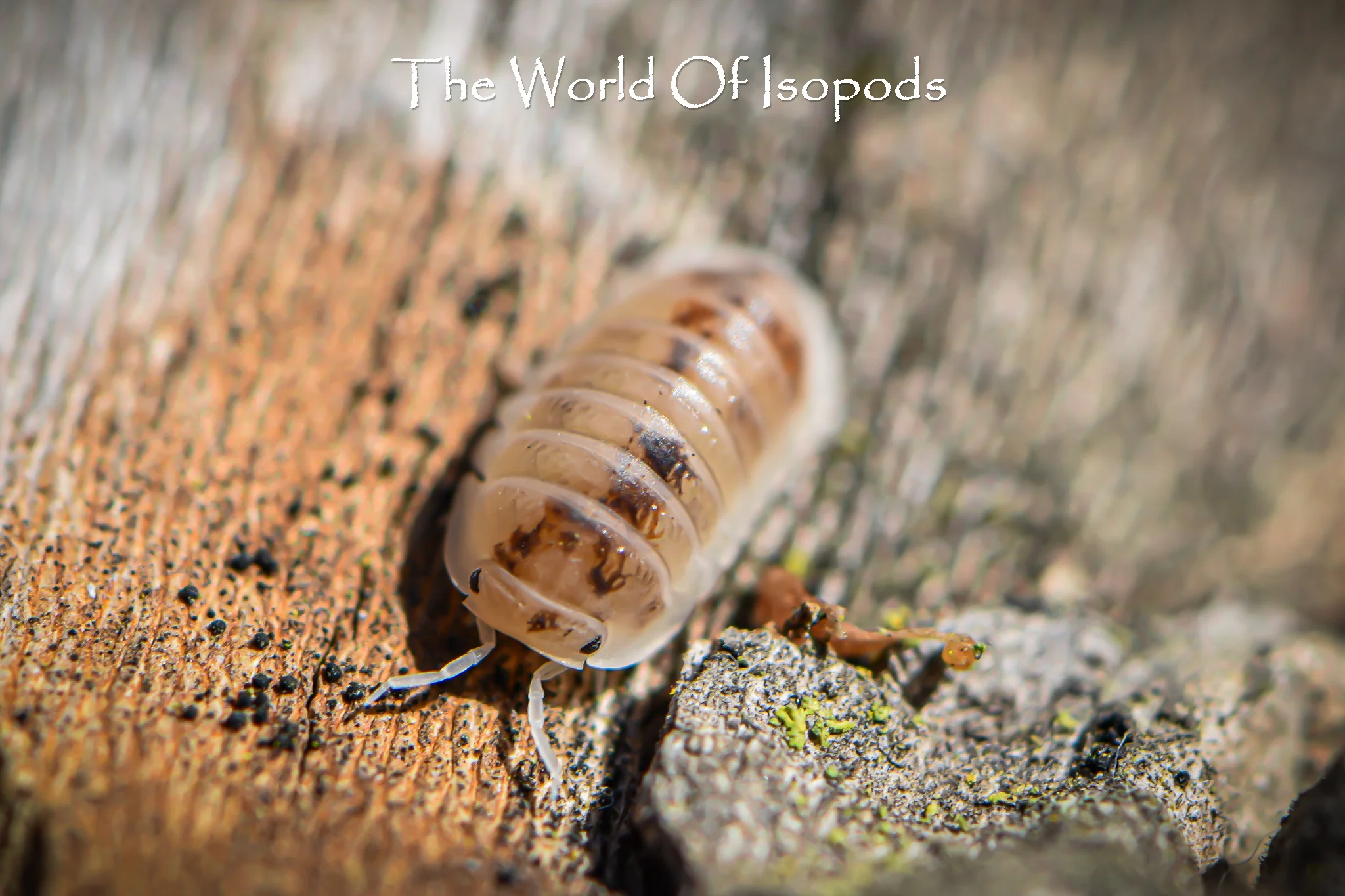
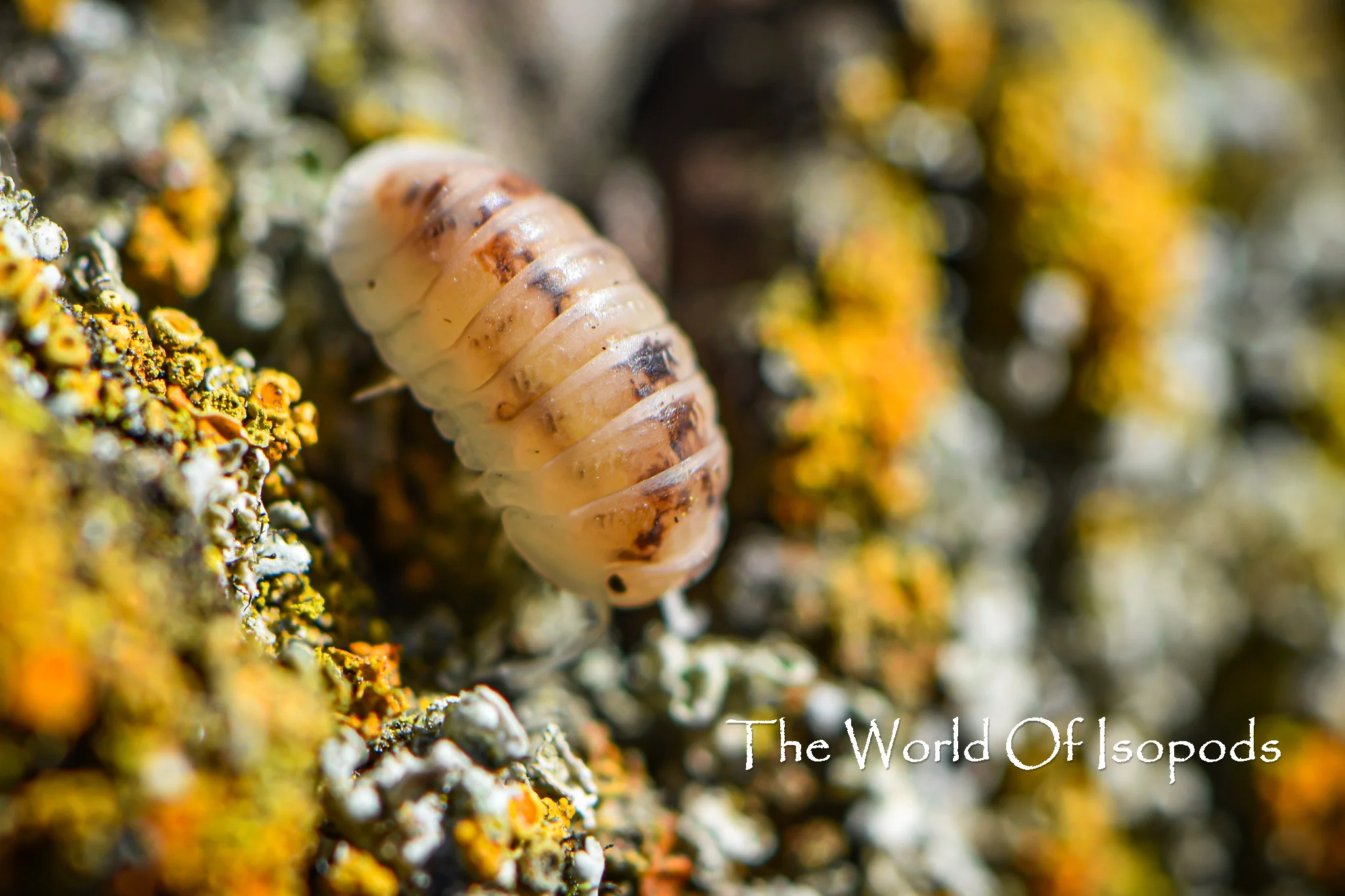
Pearl isopods are small, terrestrial crustaceans admired for their smooth, rounded bodies and soft, pearly appearance. Unlike many common isopods that have a matte or segmented look, pearl isopods have a glossy, almost shell-like exoskeleton that reflects light, giving them a delicate, polished aesthetic—hence the name “pearl.”
They are typically compact and dome-shaped, with short antennae and legs tucked neatly beneath their bodies, which adds to their tidy, bead-like form. Their coloration ranges from creamy white and pale gray to soft lilac or champagne tones, often appearing slightly translucent. This subtle coloration makes them especially popular among hobbyists who keep bioactive terrariums or isopod cultures for display.
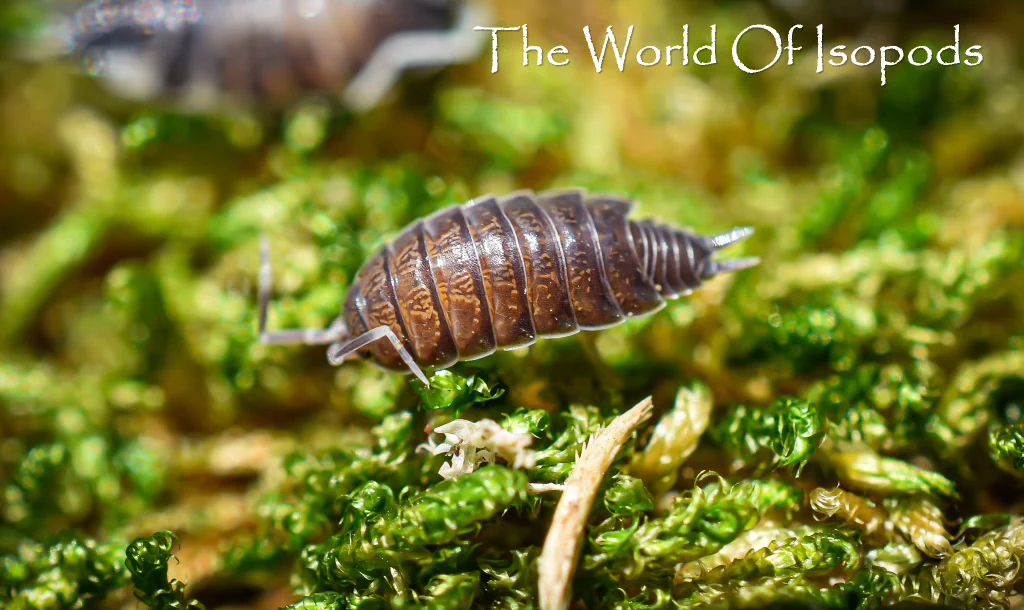
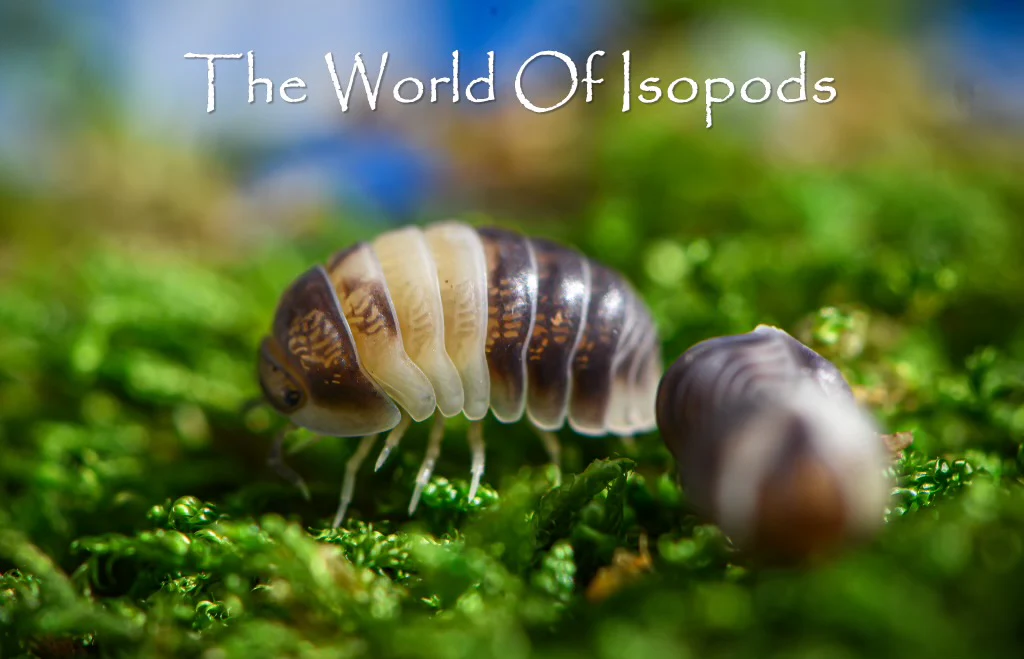
Pearl isopods are slow-moving and gentle, spending most of their time hidden under leaf litter, bark, or moss where humidity is high. Like other isopods, they play an important ecological role as decomposers, feeding on decaying plant matter and helping recycle nutrients back into the soil.
Overall, pearl isopods are valued less for activity and more for their elegant appearance and calm presence, resembling tiny living pearls scattered across the forest floor.
(Please Read Shipping Policy)
Product Information
Product Information
Shipping & Returns
Shipping & Returns
Description
Pearl isopods are small, terrestrial crustaceans admired for their smooth, rounded bodies and soft, pearly appearance. Unlike many common isopods that have a matte or segmented look, pearl isopods have a glossy, almost shell-like exoskeleton that reflects light, giving them a delicate, polished aesthetic—hence the name “pearl.”
They are typically compact and dome-shaped, with short antennae and legs tucked neatly beneath their bodies, which adds to their tidy, bead-like form. Their coloration ranges from creamy white and pale gray to soft lilac or champagne tones, often appearing slightly translucent. This subtle coloration makes them especially popular among hobbyists who keep bioactive terrariums or isopod cultures for display.
Pearl isopods are slow-moving and gentle, spending most of their time hidden under leaf litter, bark, or moss where humidity is high. Like other isopods, they play an important ecological role as decomposers, feeding on decaying plant matter and helping recycle nutrients back into the soil.
Overall, pearl isopods are valued less for activity and more for their elegant appearance and calm presence, resembling tiny living pearls scattered across the forest floor.
(Please Read Shipping Policy)