Armadillo officinalis "Red Spain Giant"
Armadillo officinalis "Red Spain Giant"
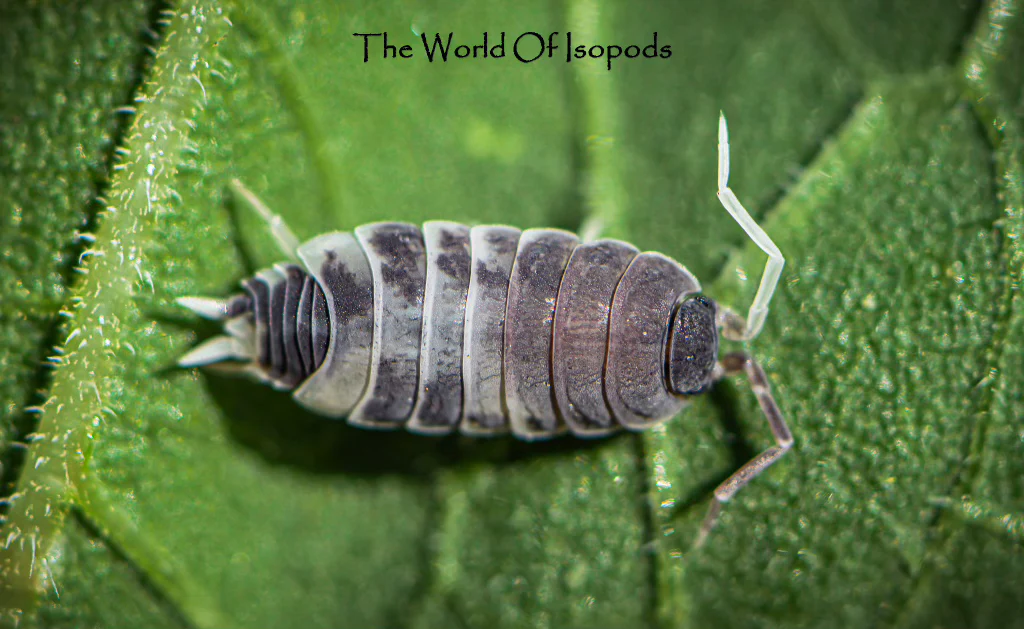
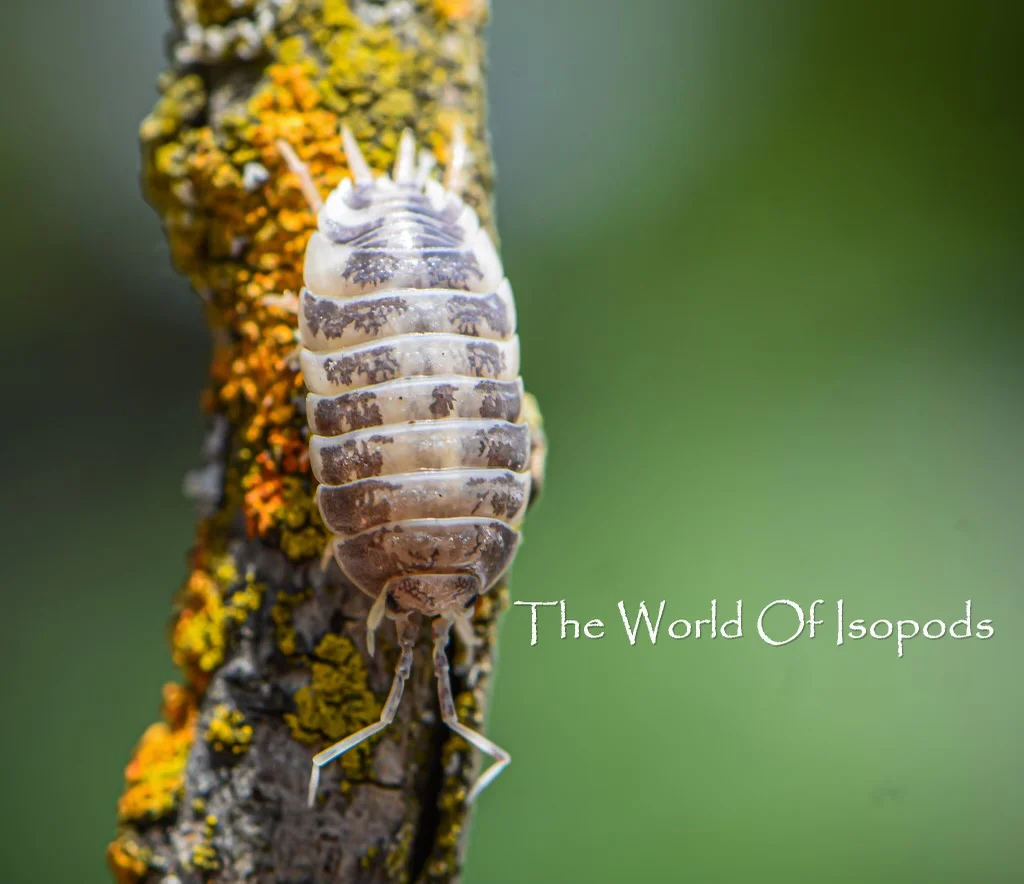
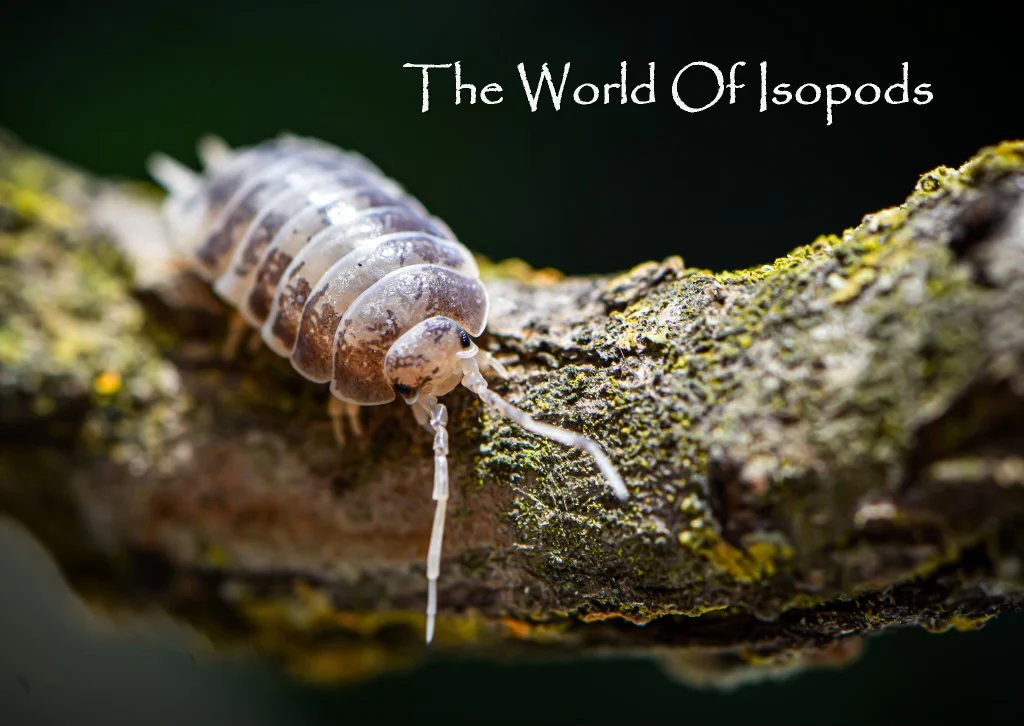
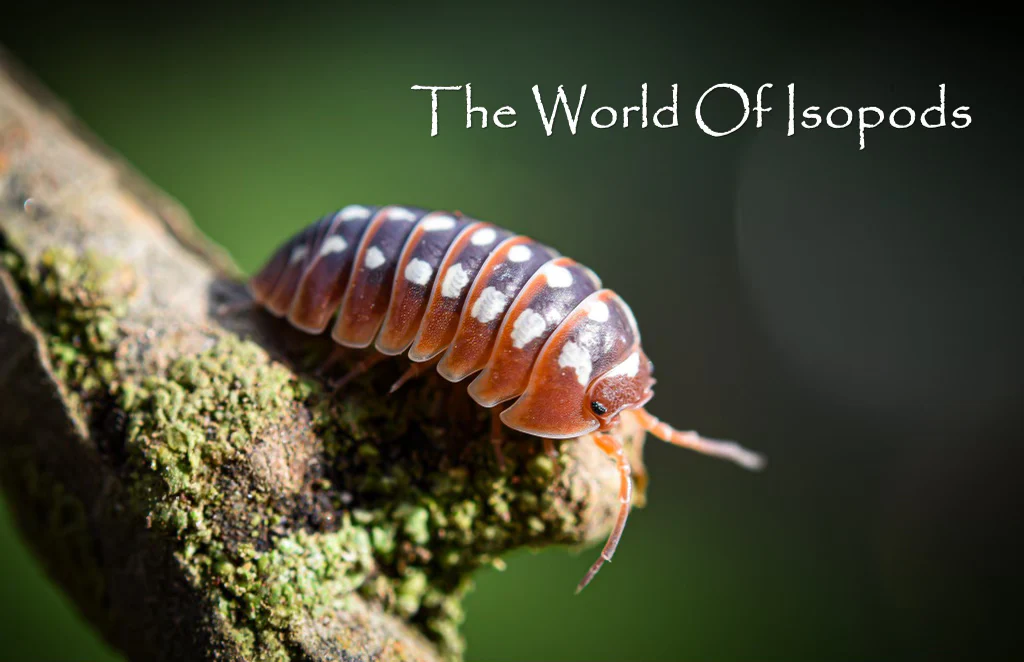
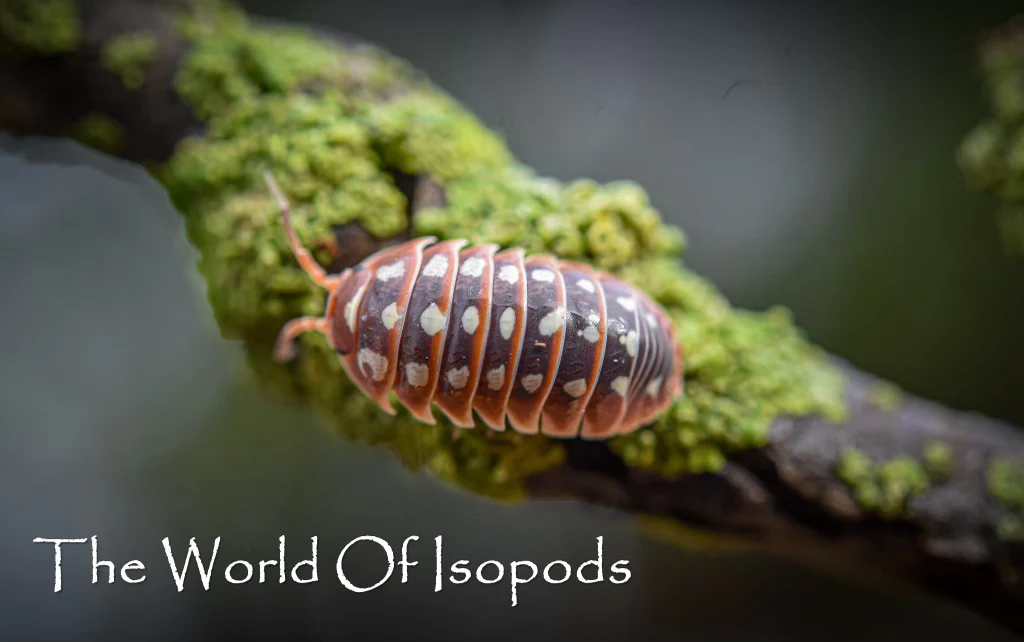
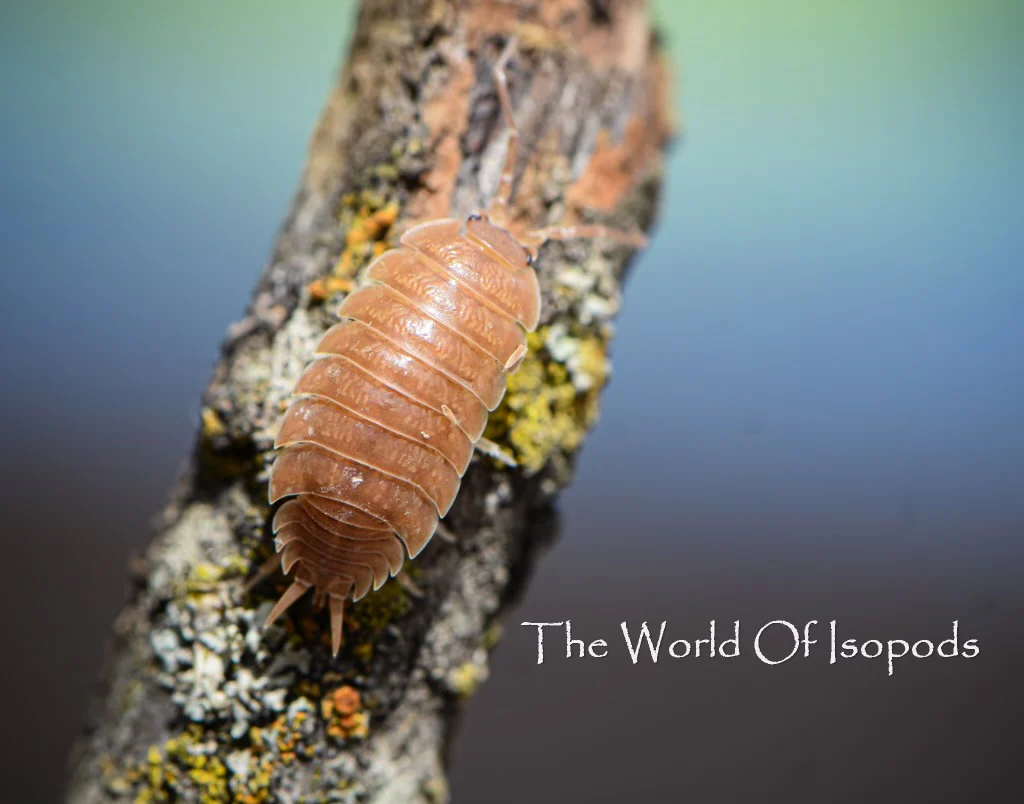
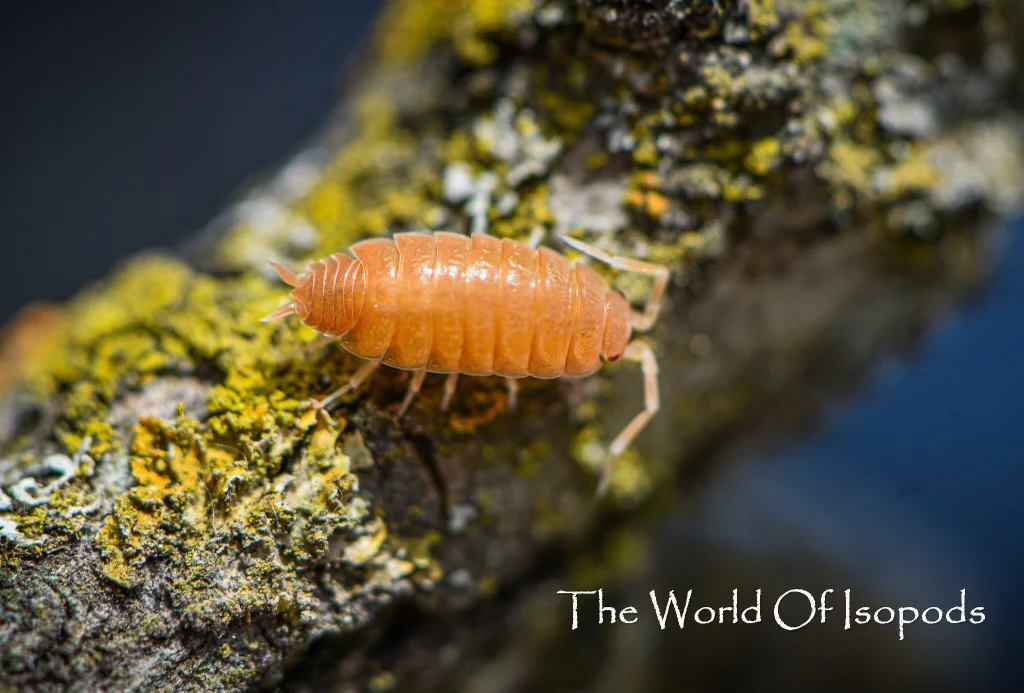
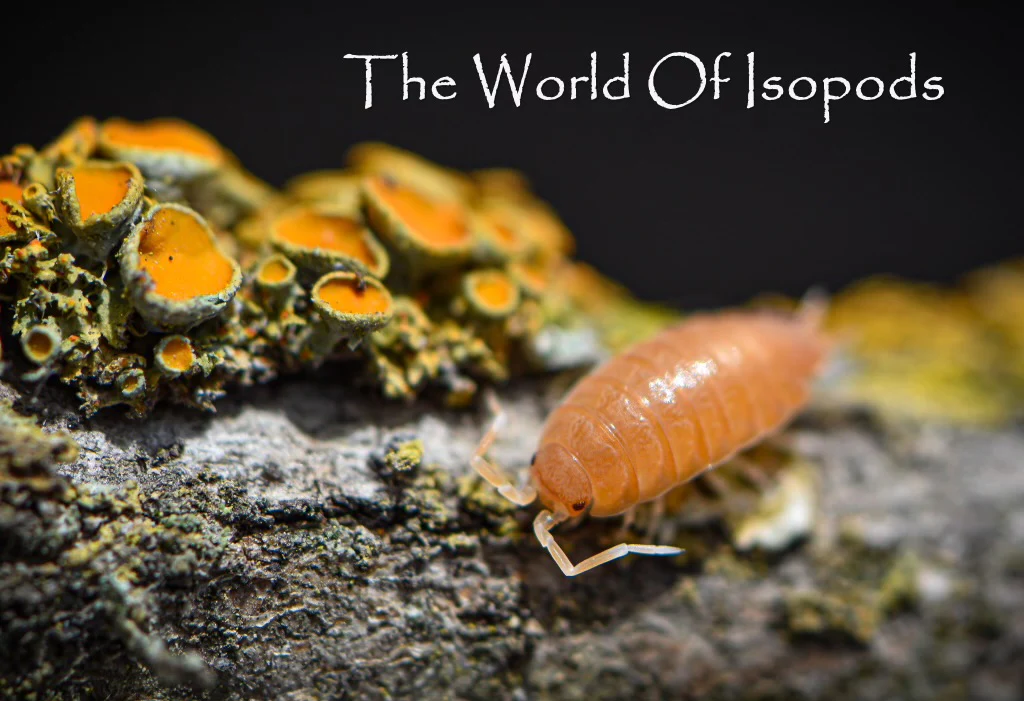
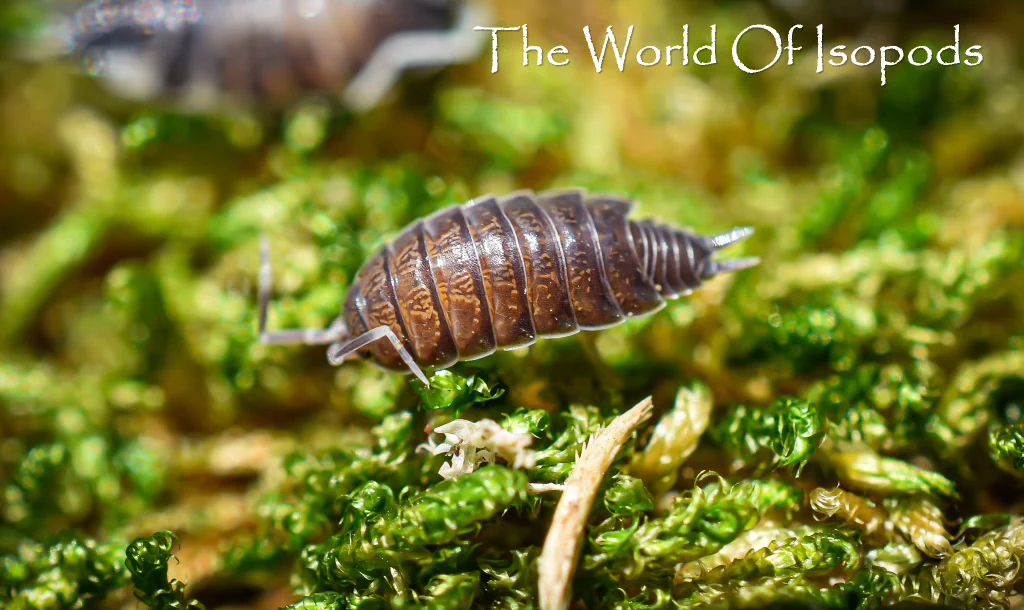
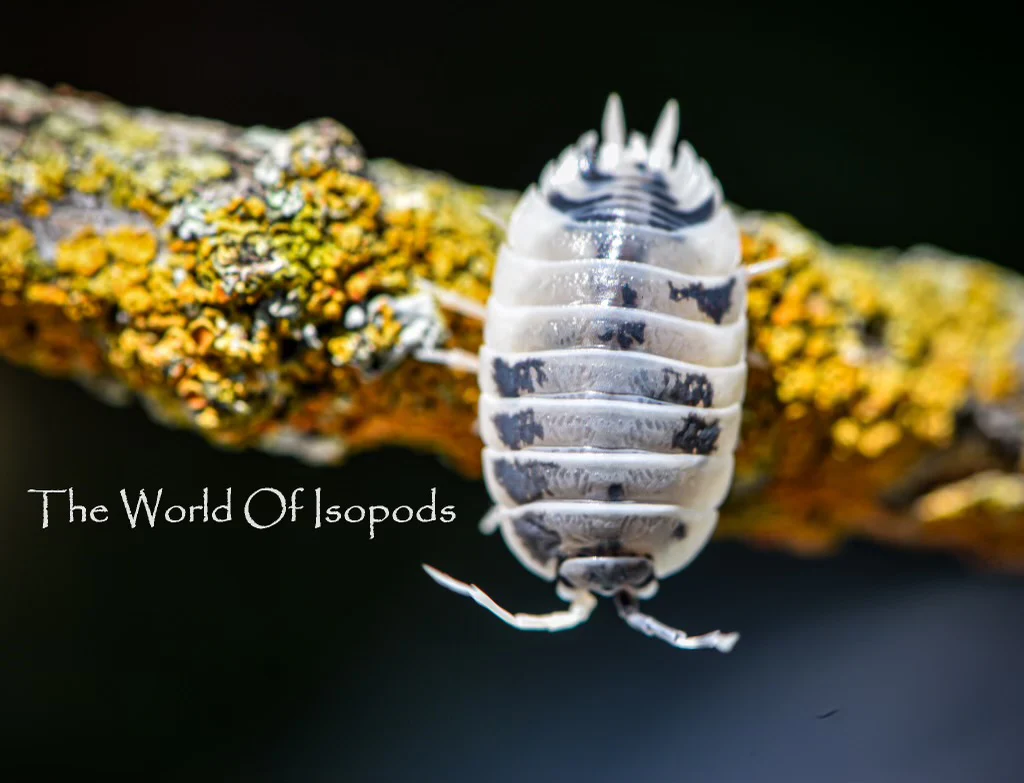
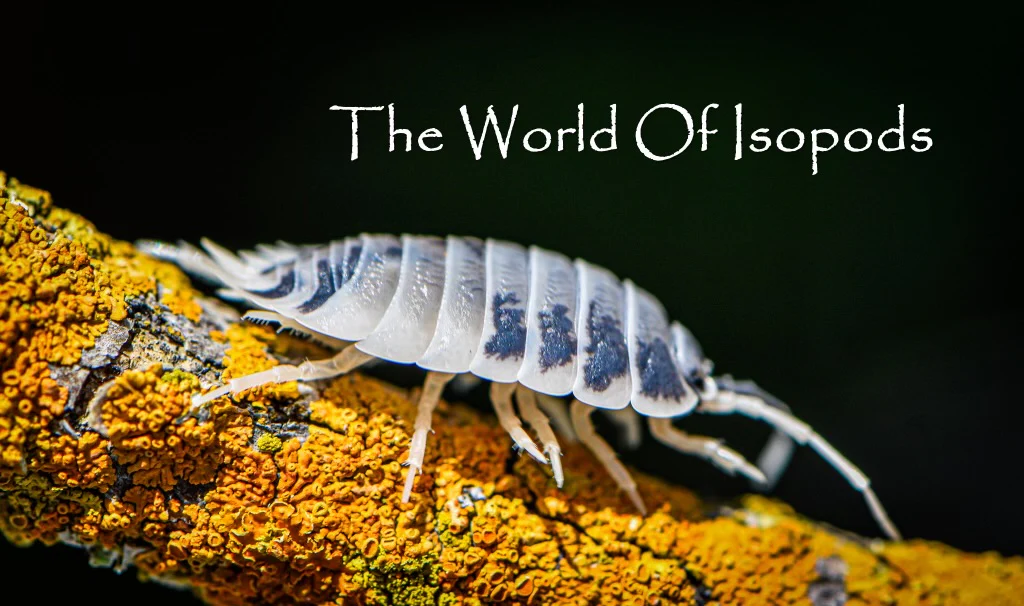
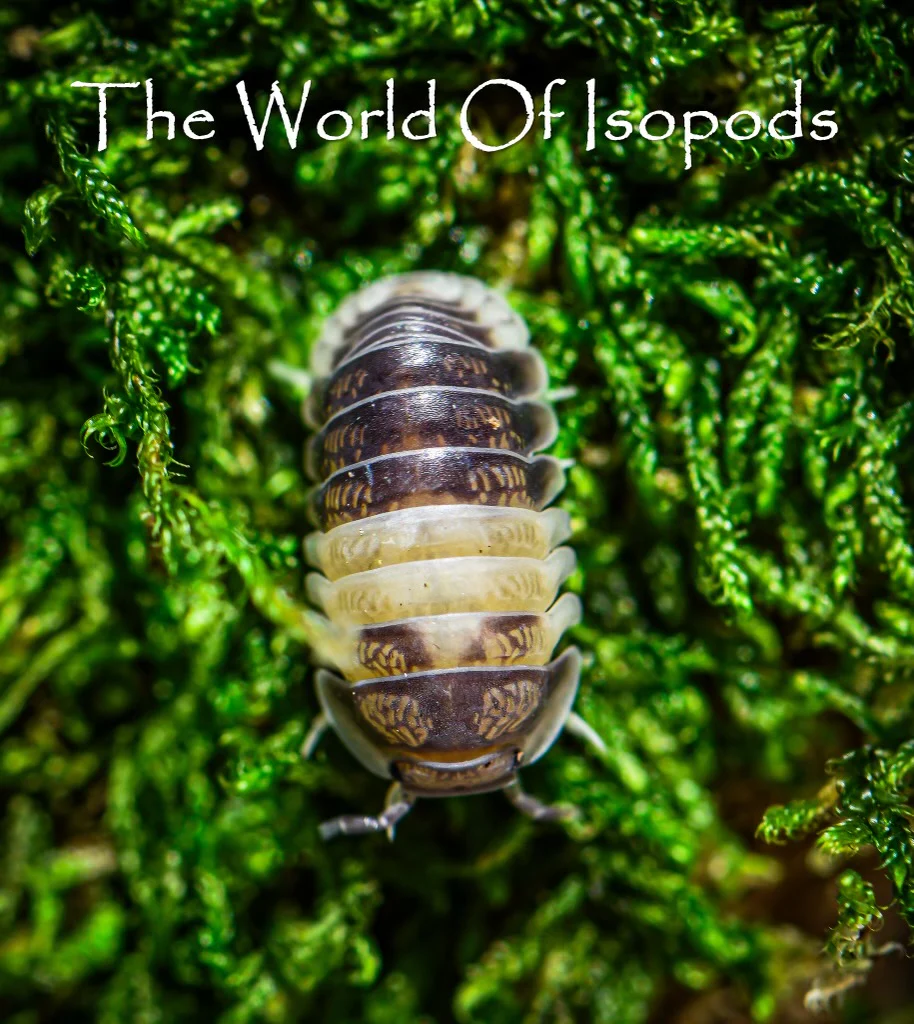
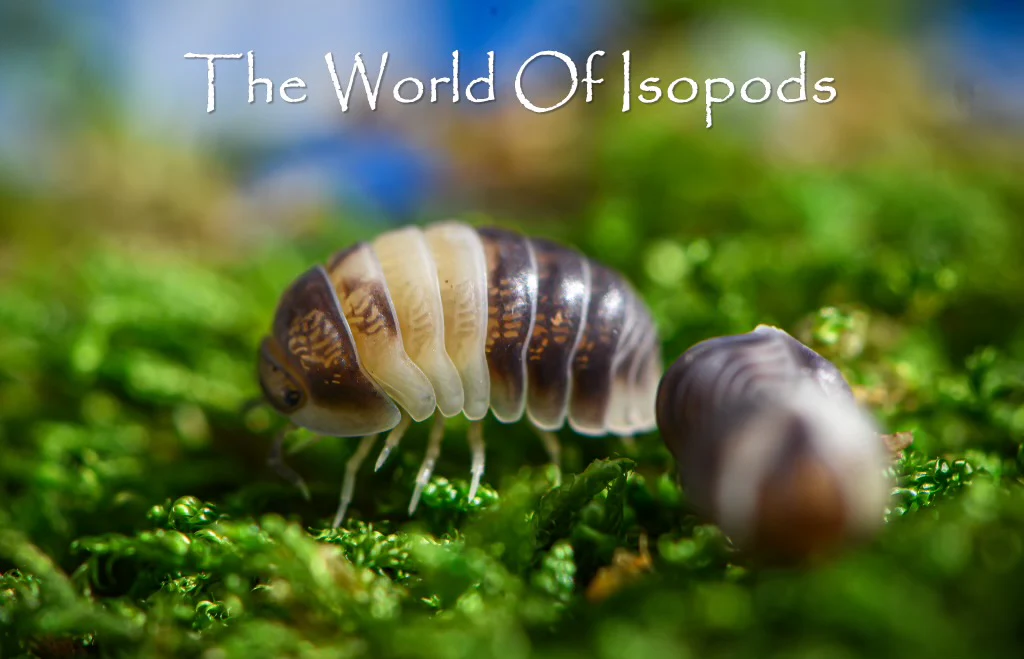
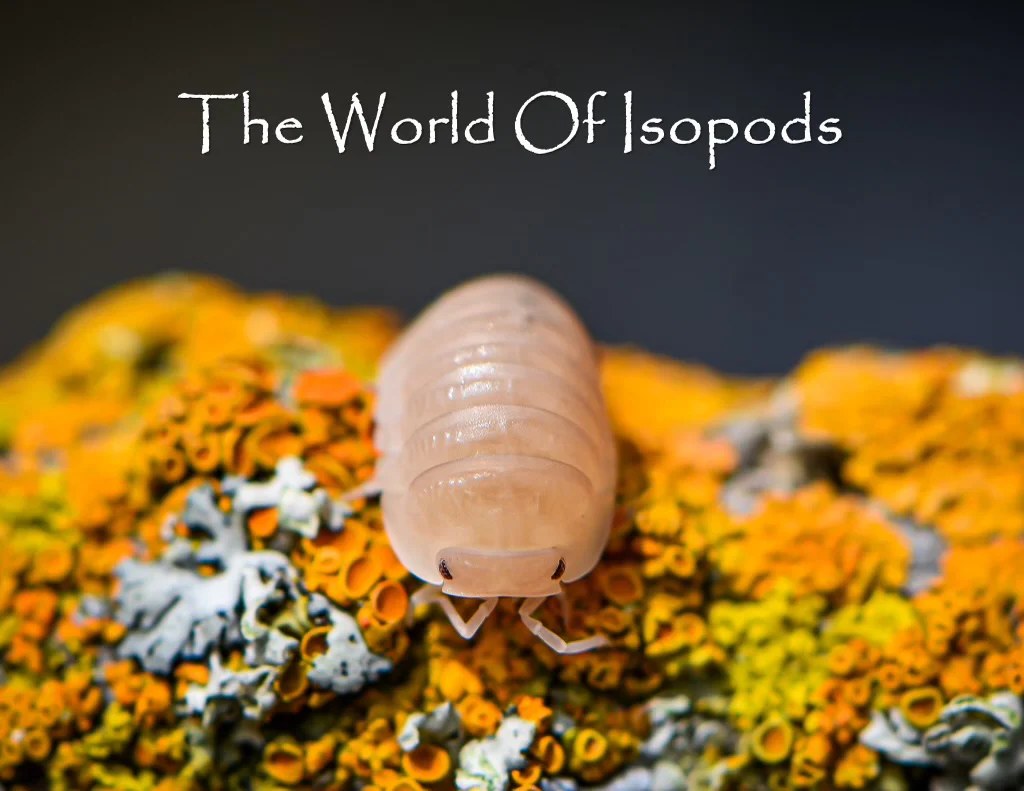
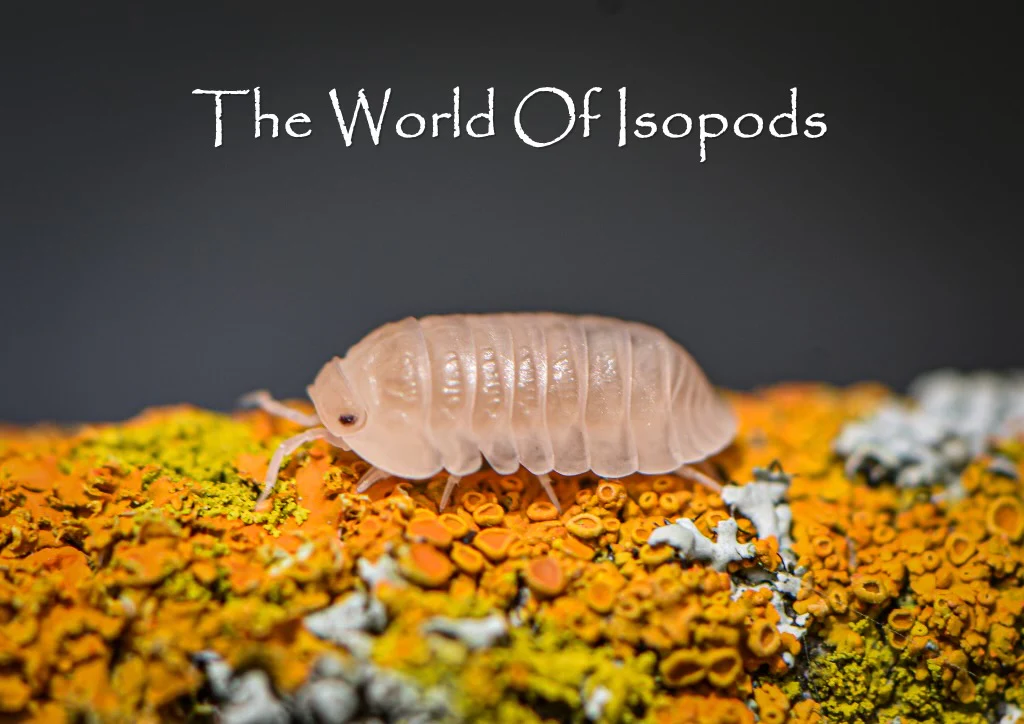
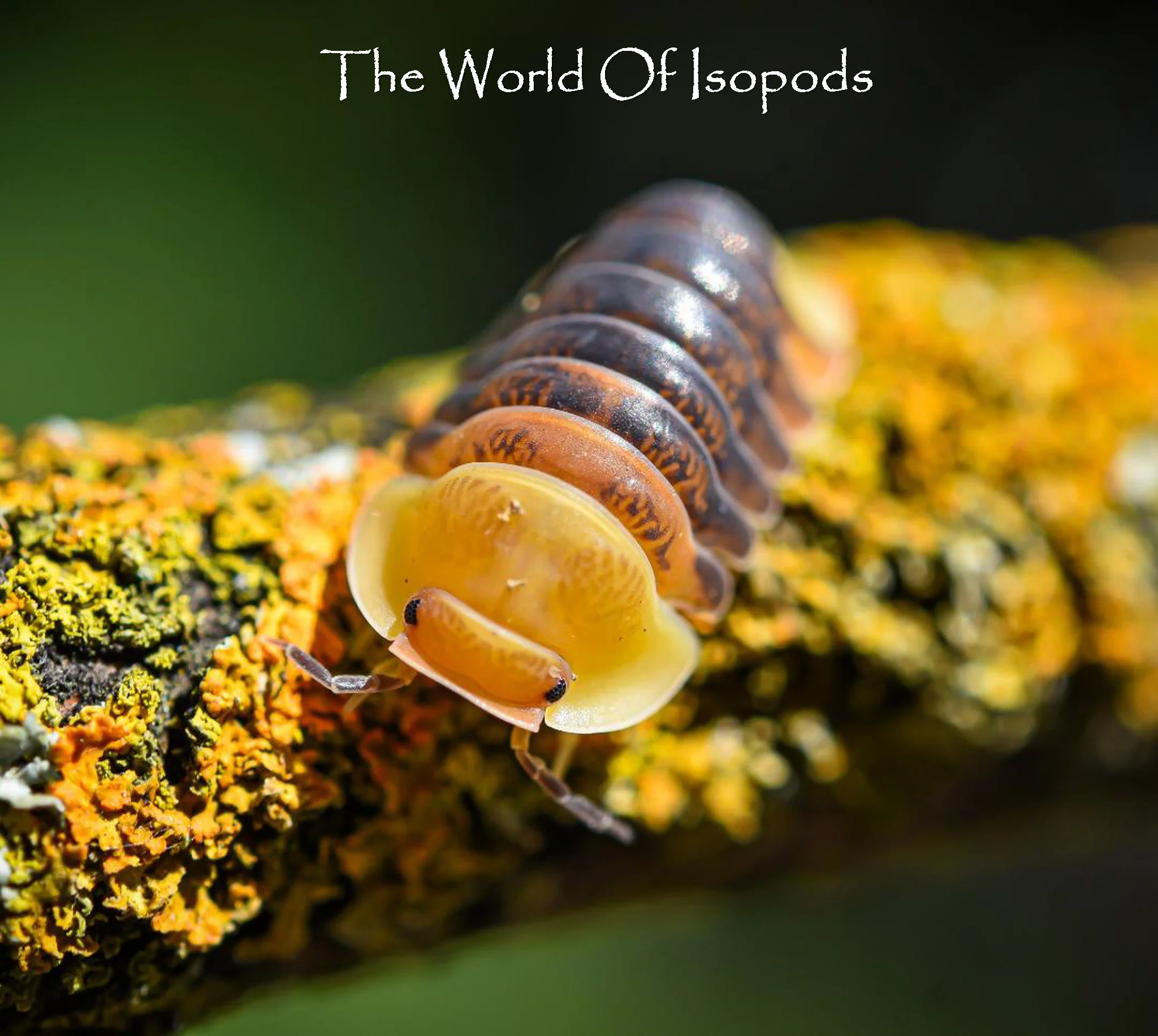
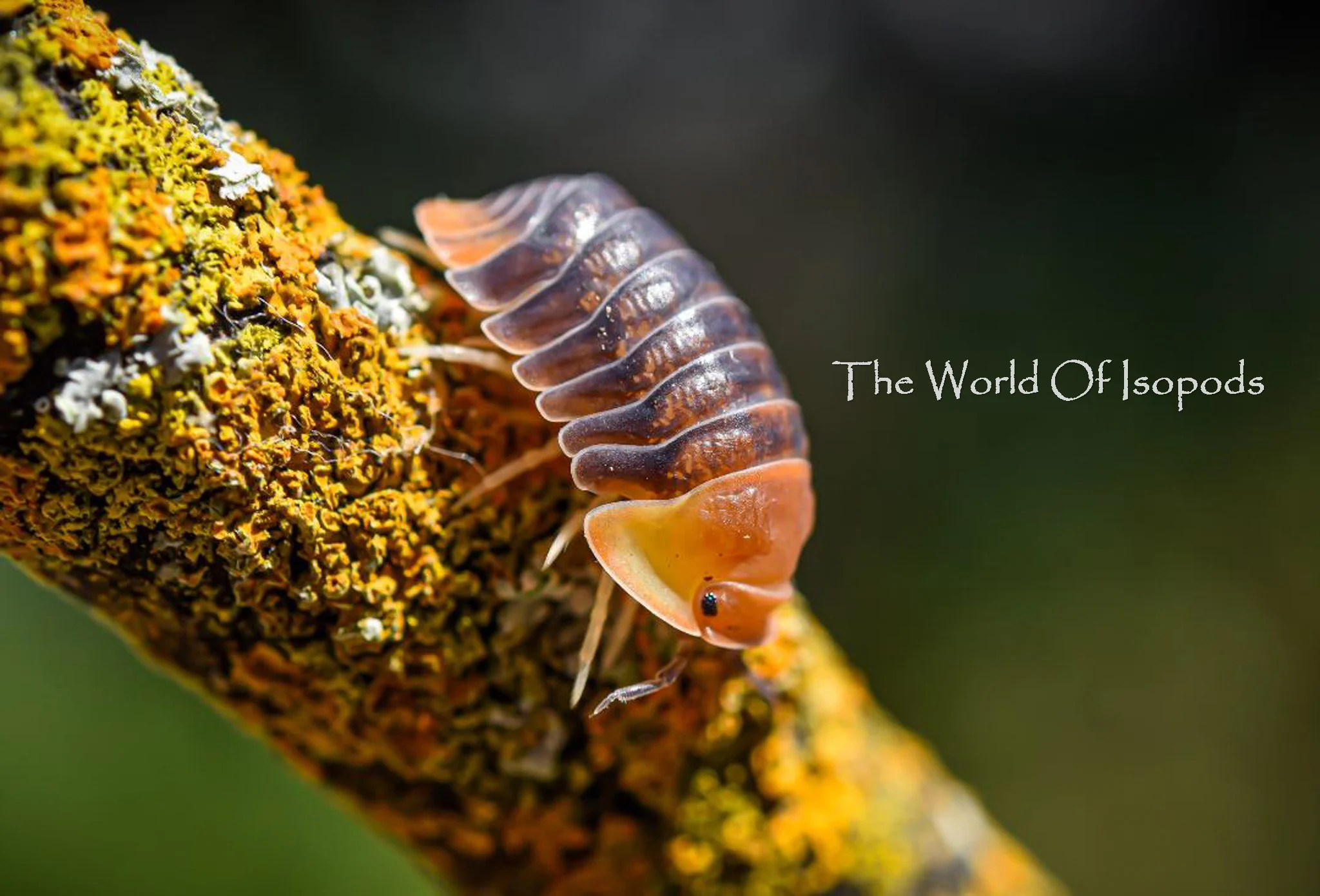
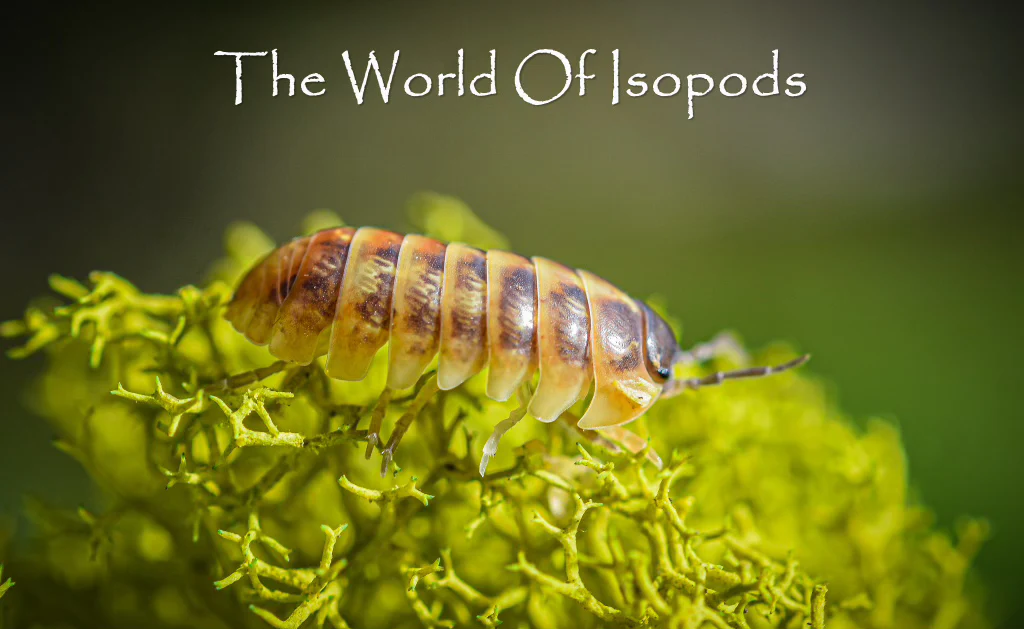
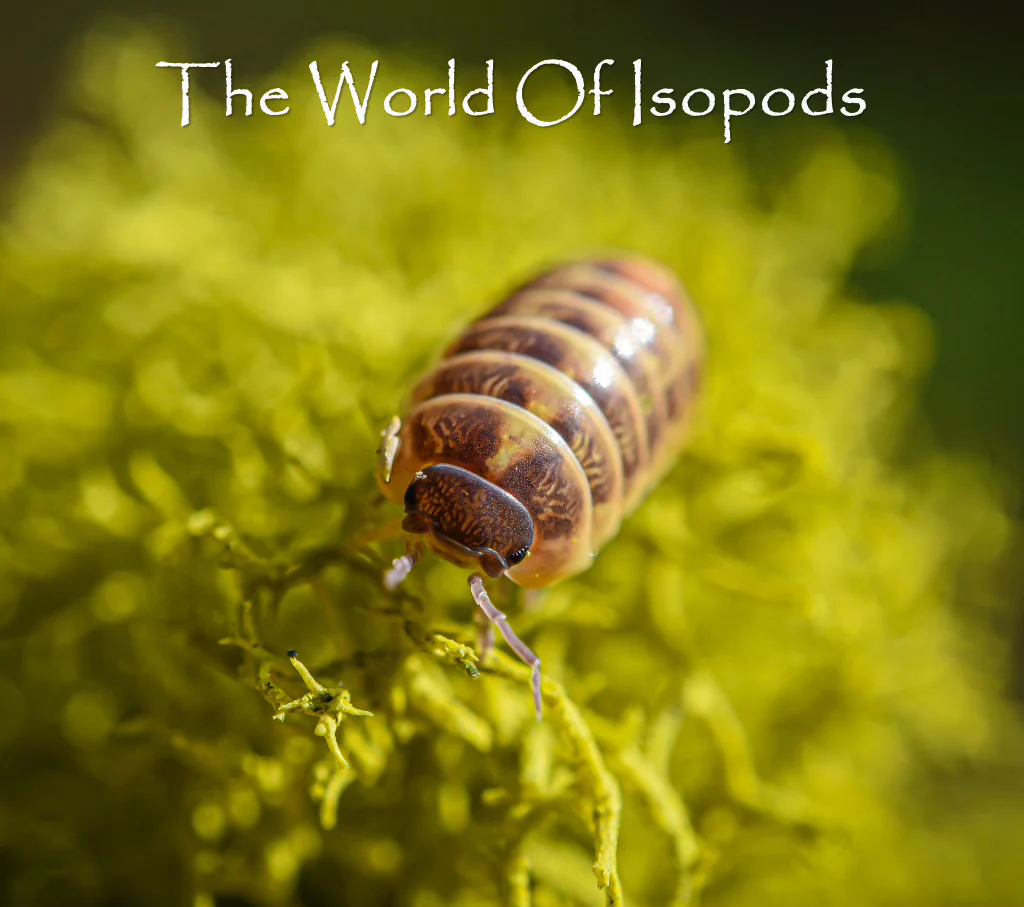
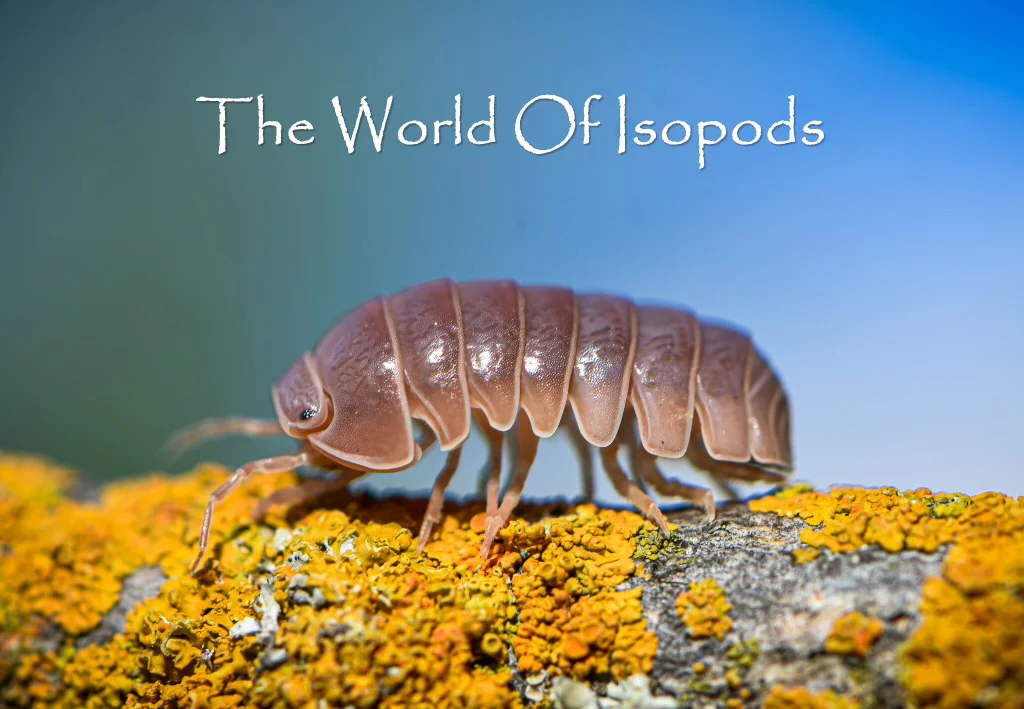
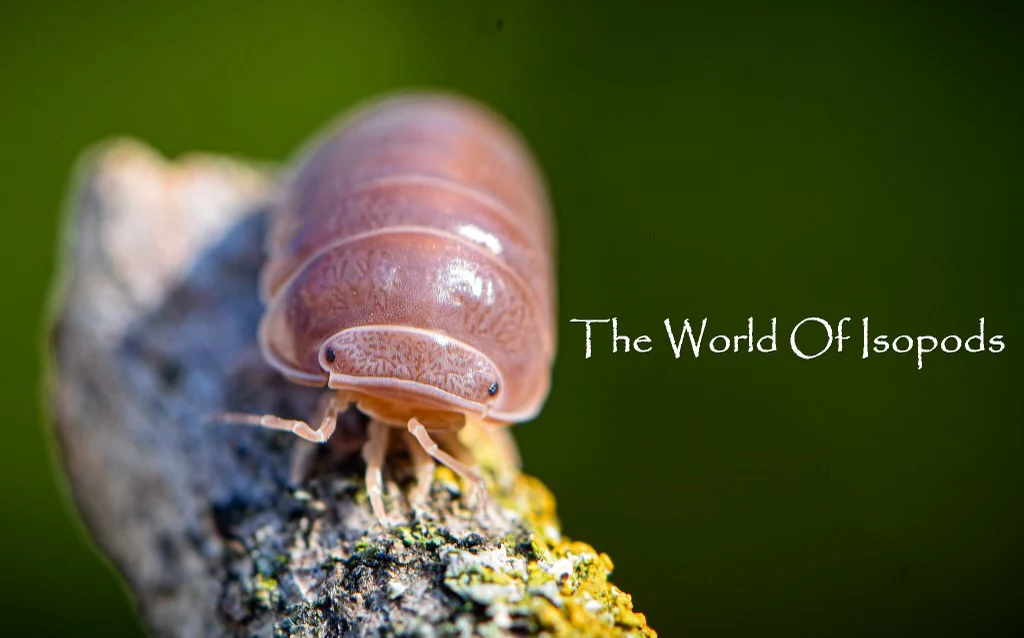
Armadillo officinalis "Red Spain Giant" is a striking isopod morph, most likely originating from the Spanish population of Armadillo officinalis. This species is known for its large size and deep red coloration, which intensifies as they mature. Unlike many other isopods, they can produce a subtle hissing sound by rubbing their legs against their shell when disturbed, earning them the nickname "hissing isopod."
Care Information
- Requires moderate humidity with occasional misting
- Should be watered and fed twice a week
- Diet includes yams, root vegetables, fish food, leaf litter, and supplemental protein sources
- Prefers a well-ventilated enclosure with coconut fiber, sphagnum moss, and leaf litter for burrowing and hiding
- Thrives in temperatures between 59-79°F (15-26°C)
- Nocturnal and social, but slow to establish, making them best suited for dedicated keepers
Live Arrival Guaranteed
Note: Proper ventilation, a balanced moisture gradient, and a varied diet will help ensure a thriving, healthy colony.
Original: $30.00
-65%$30.00
$10.50Product Information
Product Information
Shipping & Returns
Shipping & Returns
Description
Armadillo officinalis "Red Spain Giant"
Armadillo officinalis "Red Spain Giant" is a striking isopod morph, most likely originating from the Spanish population of Armadillo officinalis. This species is known for its large size and deep red coloration, which intensifies as they mature. Unlike many other isopods, they can produce a subtle hissing sound by rubbing their legs against their shell when disturbed, earning them the nickname "hissing isopod."
Care Information
- Requires moderate humidity with occasional misting
- Should be watered and fed twice a week
- Diet includes yams, root vegetables, fish food, leaf litter, and supplemental protein sources
- Prefers a well-ventilated enclosure with coconut fiber, sphagnum moss, and leaf litter for burrowing and hiding
- Thrives in temperatures between 59-79°F (15-26°C)
- Nocturnal and social, but slow to establish, making them best suited for dedicated keepers
Live Arrival Guaranteed
Note: Proper ventilation, a balanced moisture gradient, and a varied diet will help ensure a thriving, healthy colony.