Thai Rainbow Millipedes
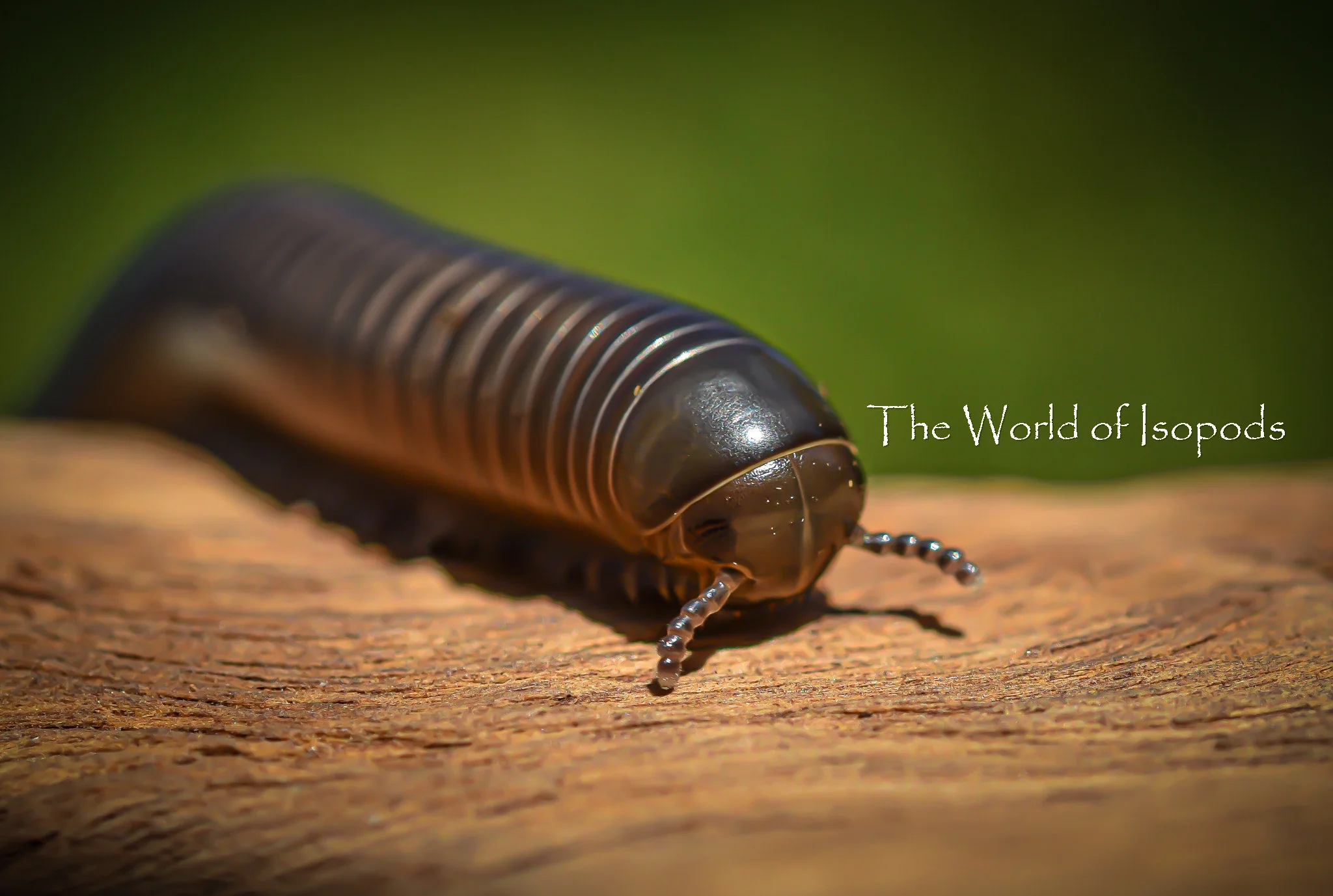
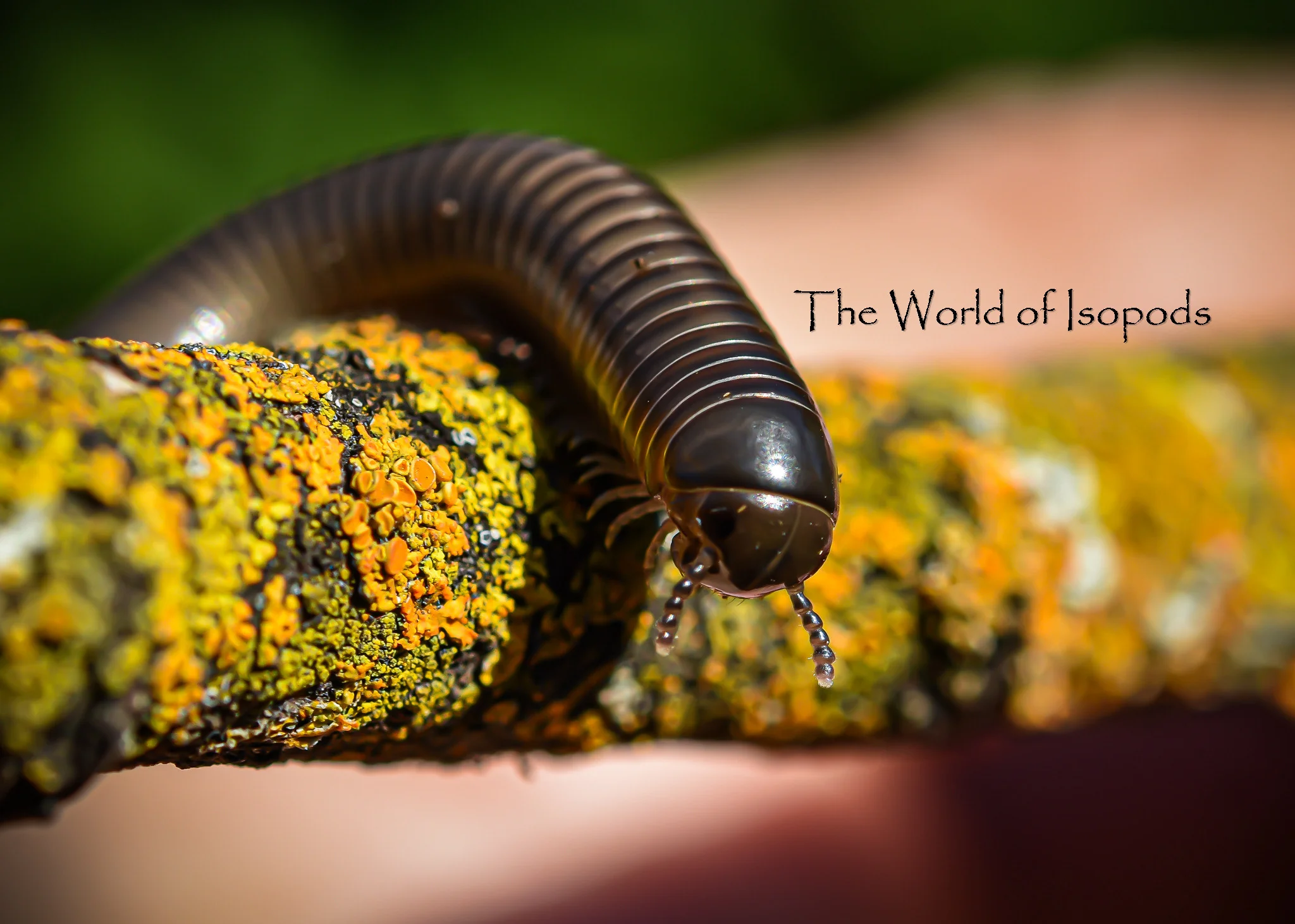
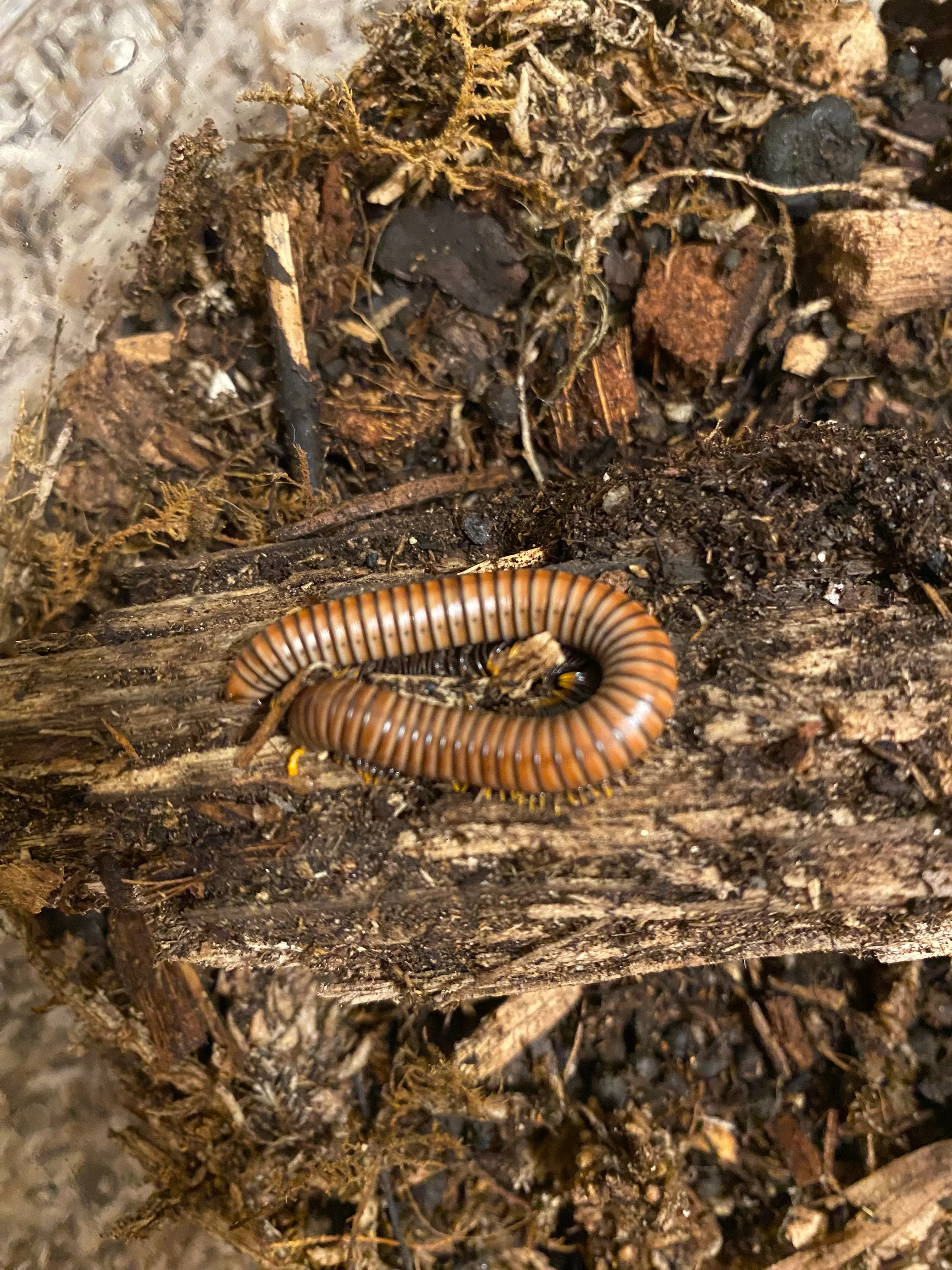
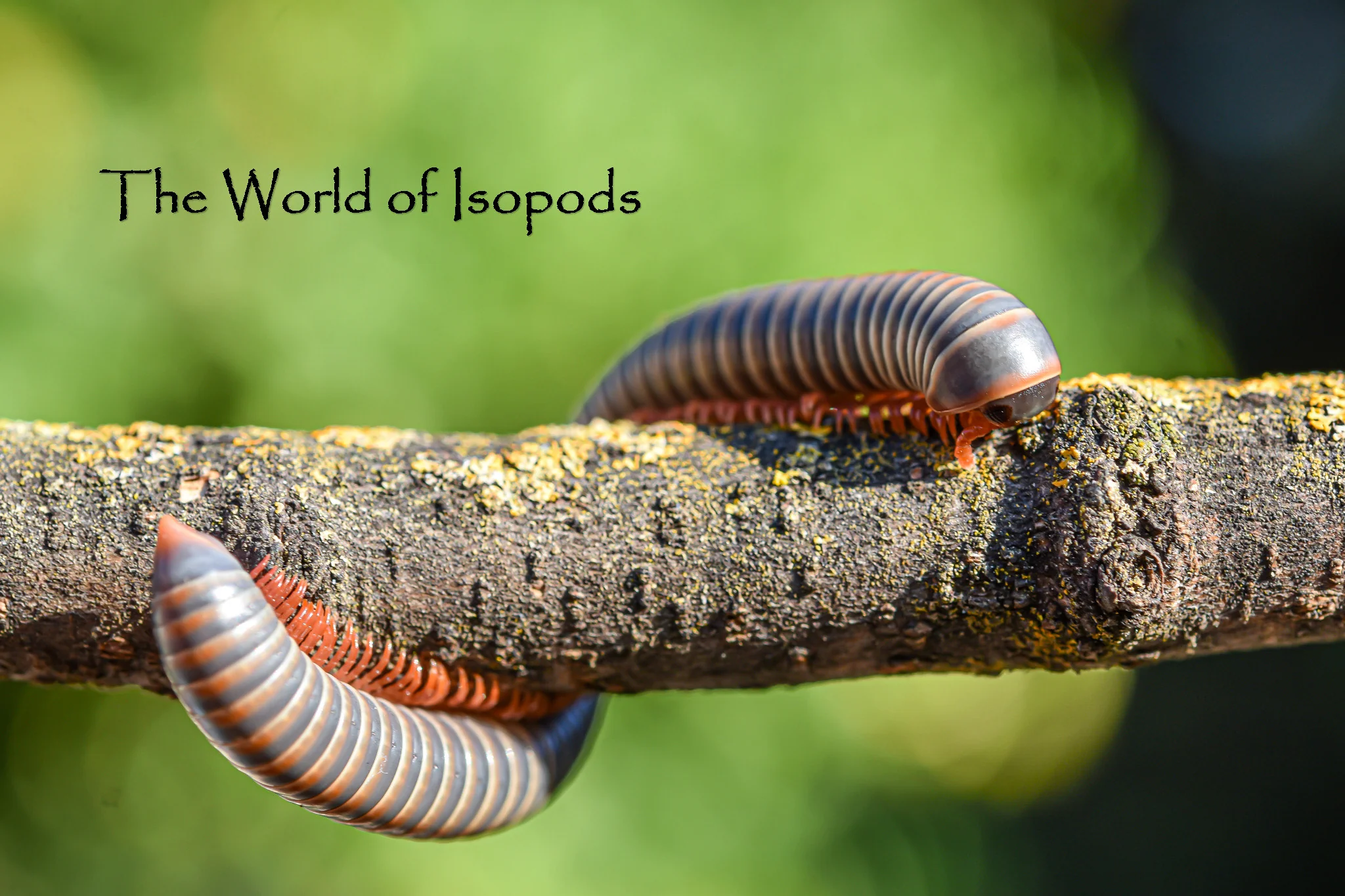
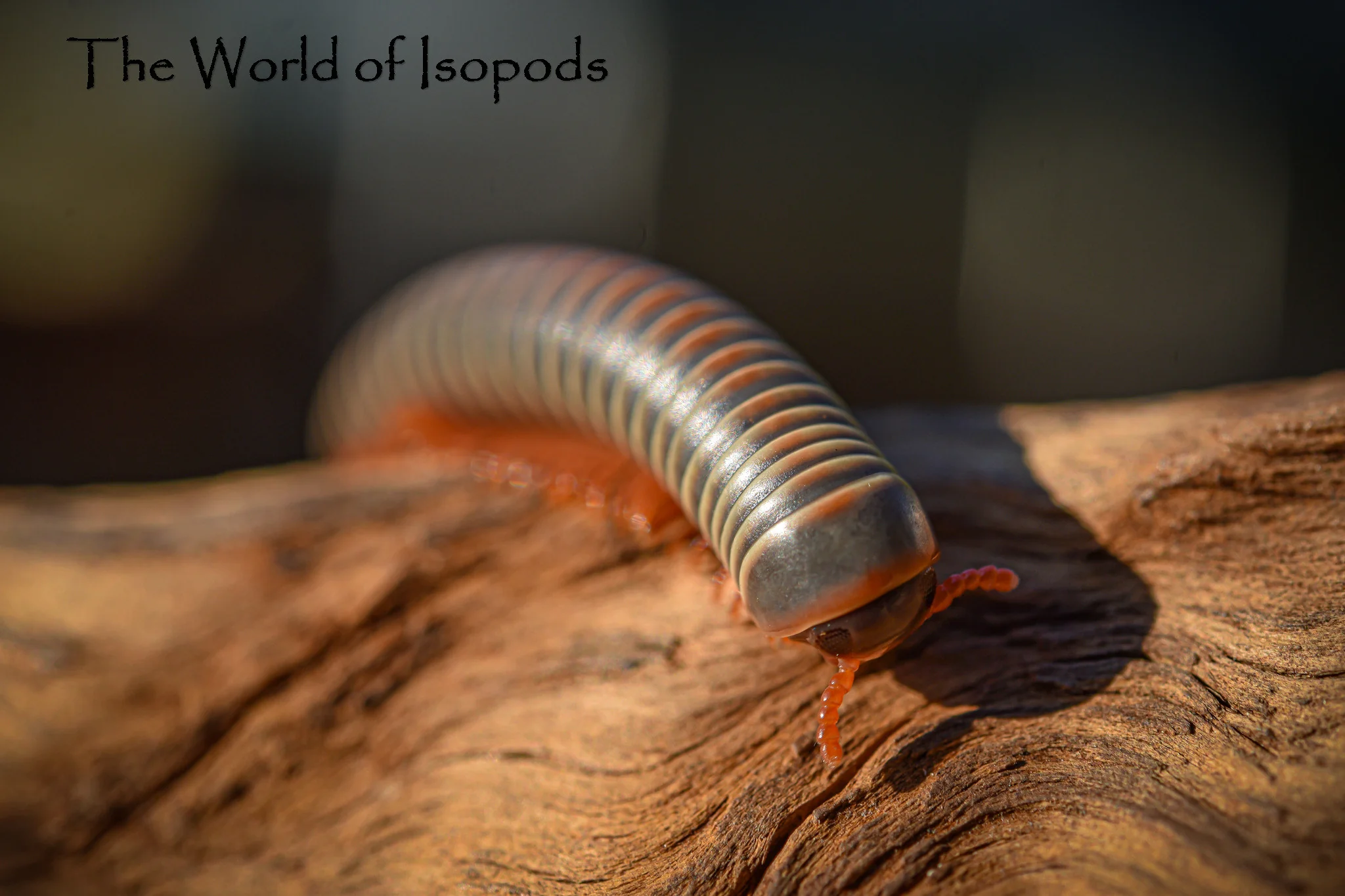
The Thai Rainbow Millipede (Tonkinbolus dollfusi) is a visually striking arthropod named for the vibrant bands of pink, orange, yellow, and olive green that encircle its segments. Native to the tropical forests of Thailand and Vietnam, this medium-sized millipede is popular for its docile nature and tendency to curl into a tight defensive ball when threatened rather than biting or pinching. They are slow-moving, gentle creatures that are safe to handle, making them an excellent choice for beginner keepers looking for a colorful display pet.
In captivity, they require a humid, tropical environment that mimics the forest floor. They are burrowers by nature and spend a significant amount of time underground, particularly during molting cycles, so providing a deep substrate is critical for their health. As detritivores, they are essential members of a clean-up crew but have specific dietary needs that go beyond simple vegetable scraps to ensure they get enough calcium and protein.
- Substrate: Provide a deep layer (at least 4 inches) of coconut fiber, peat moss, or organic soil mixed with decaying hardwood leaves and rotting wood; this serves as both a home and a primary food source.
- Diet: Feed a staple of decaying leaves and wood, supplemented with vegetables (cucumber, squash), fruits, and calcium sources like cuttlebone or calcium powder to support healthy molting.
- Temperature & Humidity: Keep temperatures between 75°F and 85°F with high humidity (75–85%); the substrate should be damp but not waterlogged.
- Social Behavior: They are social and can be kept in groups, but ensure the enclosure is spacious enough to prevent overcrowding.
(Please Read Shipping Policy)
Original: $45.00
-65%$45.00
$15.75Product Information
Product Information
Shipping & Returns
Shipping & Returns
Description
The Thai Rainbow Millipede (Tonkinbolus dollfusi) is a visually striking arthropod named for the vibrant bands of pink, orange, yellow, and olive green that encircle its segments. Native to the tropical forests of Thailand and Vietnam, this medium-sized millipede is popular for its docile nature and tendency to curl into a tight defensive ball when threatened rather than biting or pinching. They are slow-moving, gentle creatures that are safe to handle, making them an excellent choice for beginner keepers looking for a colorful display pet.
In captivity, they require a humid, tropical environment that mimics the forest floor. They are burrowers by nature and spend a significant amount of time underground, particularly during molting cycles, so providing a deep substrate is critical for their health. As detritivores, they are essential members of a clean-up crew but have specific dietary needs that go beyond simple vegetable scraps to ensure they get enough calcium and protein.
- Substrate: Provide a deep layer (at least 4 inches) of coconut fiber, peat moss, or organic soil mixed with decaying hardwood leaves and rotting wood; this serves as both a home and a primary food source.
- Diet: Feed a staple of decaying leaves and wood, supplemented with vegetables (cucumber, squash), fruits, and calcium sources like cuttlebone or calcium powder to support healthy molting.
- Temperature & Humidity: Keep temperatures between 75°F and 85°F with high humidity (75–85%); the substrate should be damp but not waterlogged.
- Social Behavior: They are social and can be kept in groups, but ensure the enclosure is spacious enough to prevent overcrowding.
(Please Read Shipping Policy)