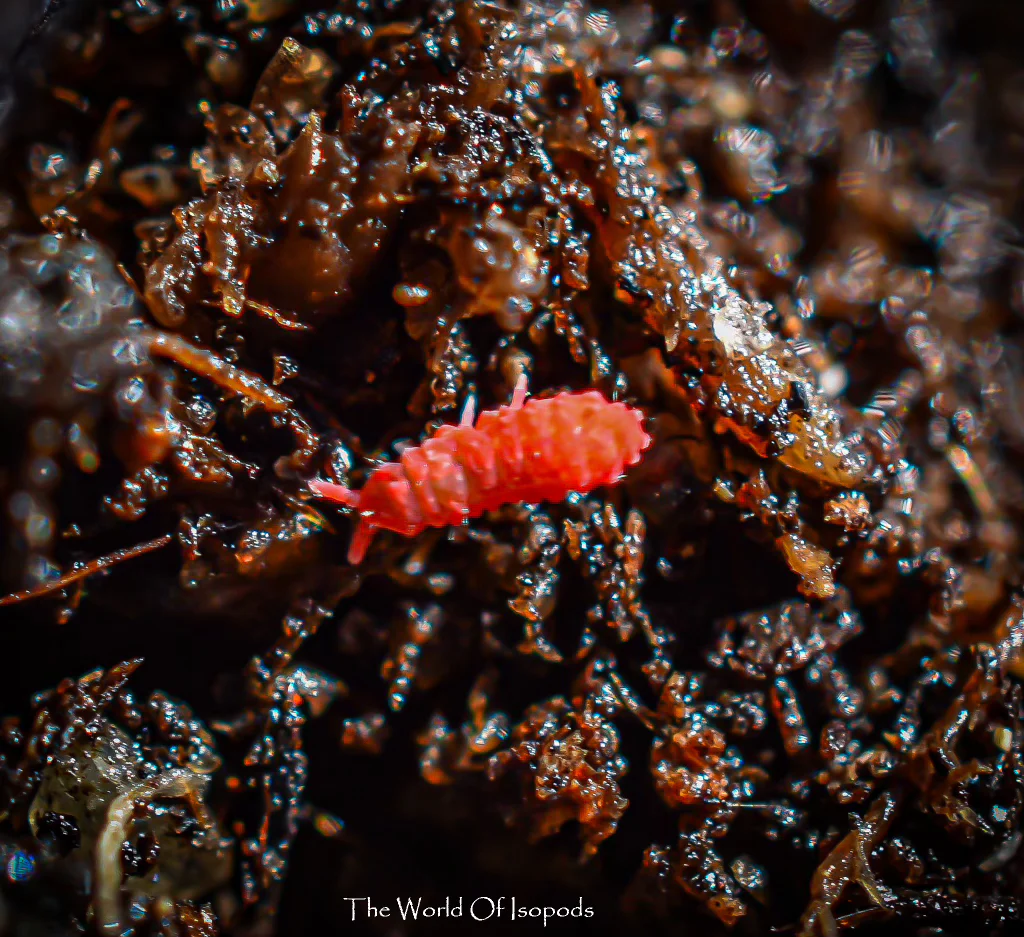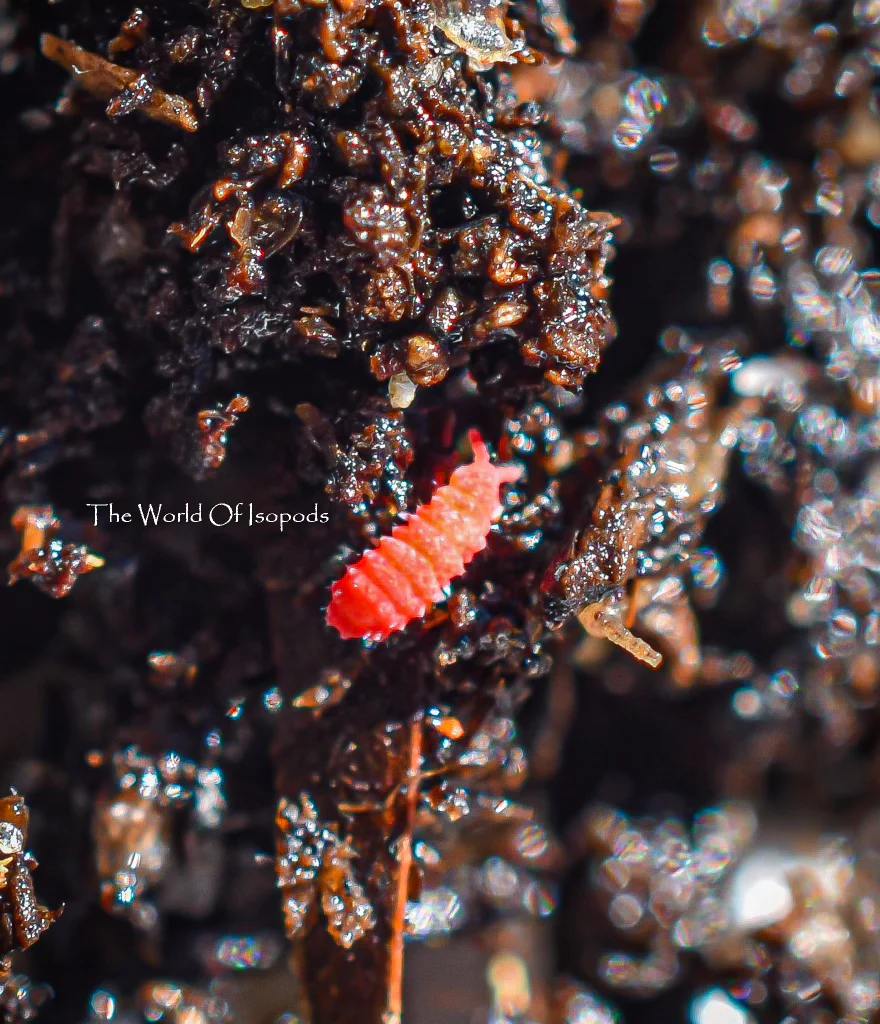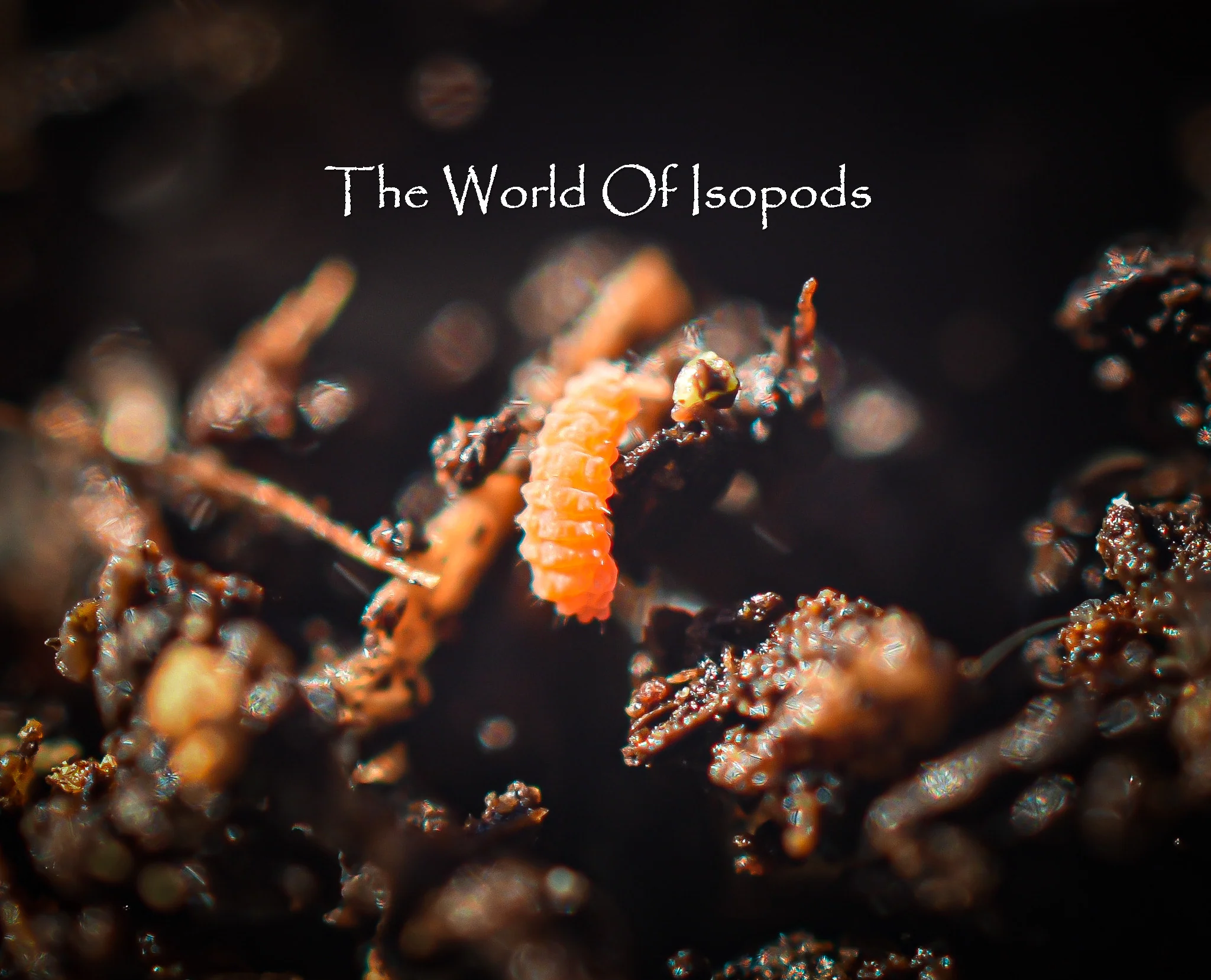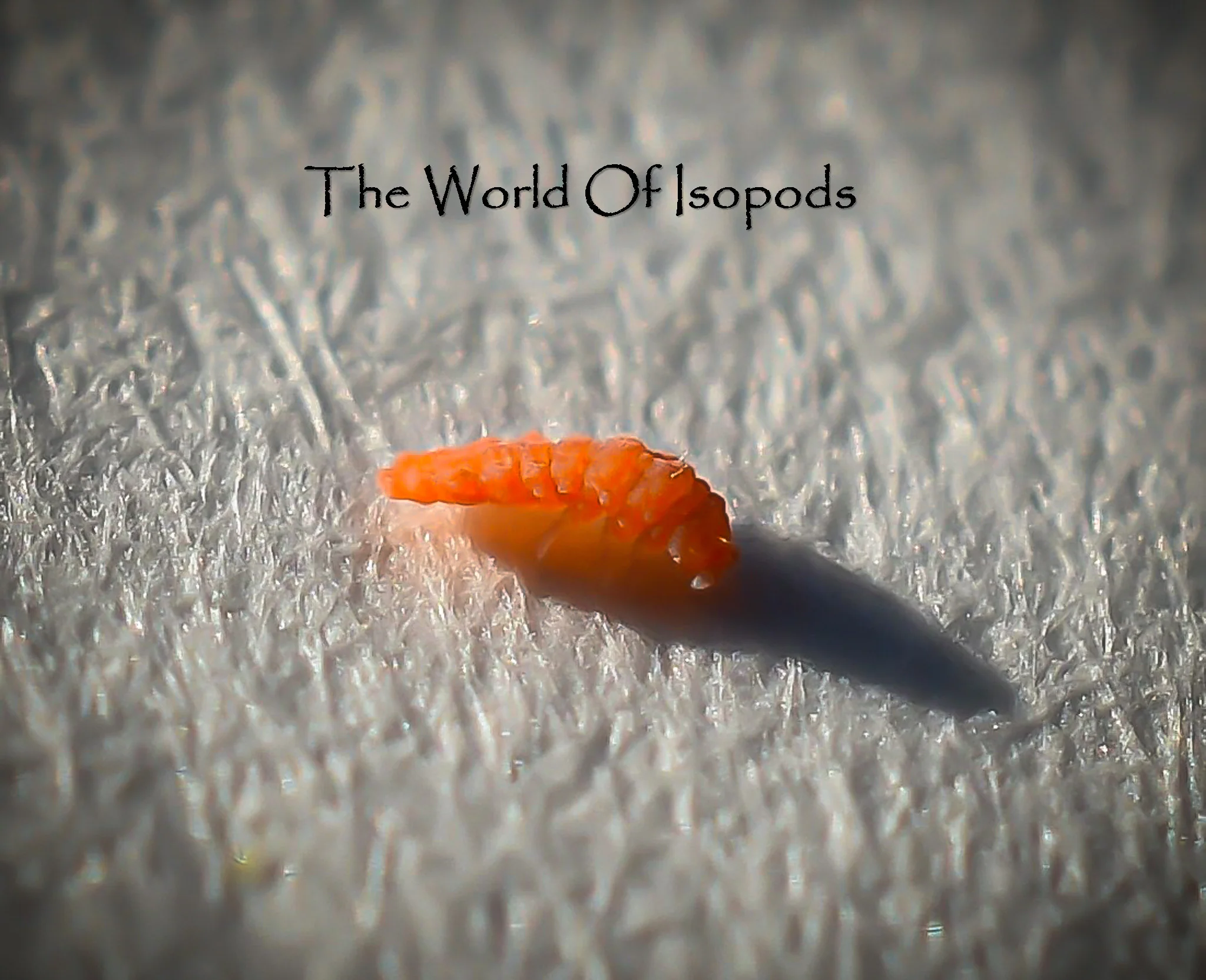
Florida Ivory Millipedes
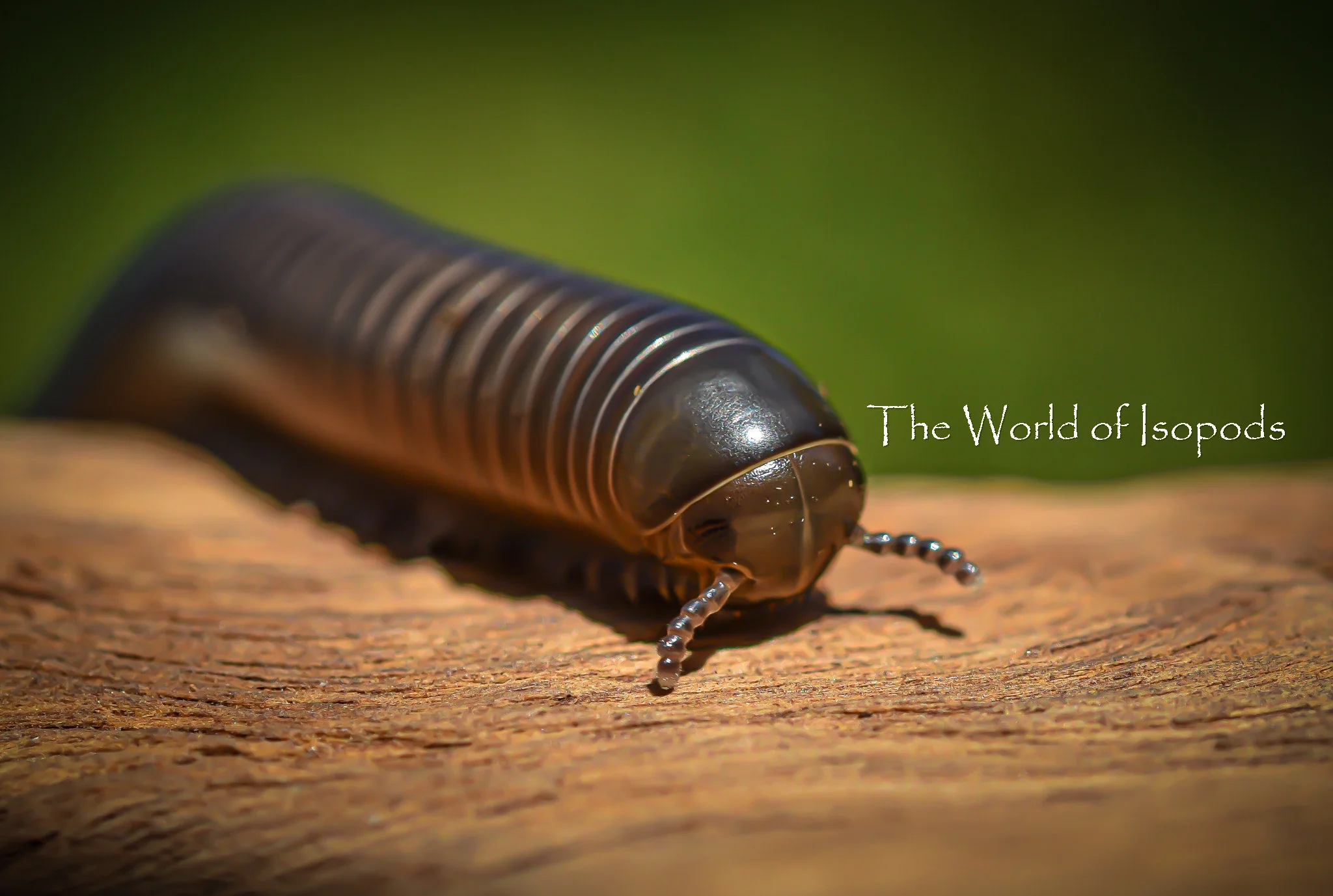
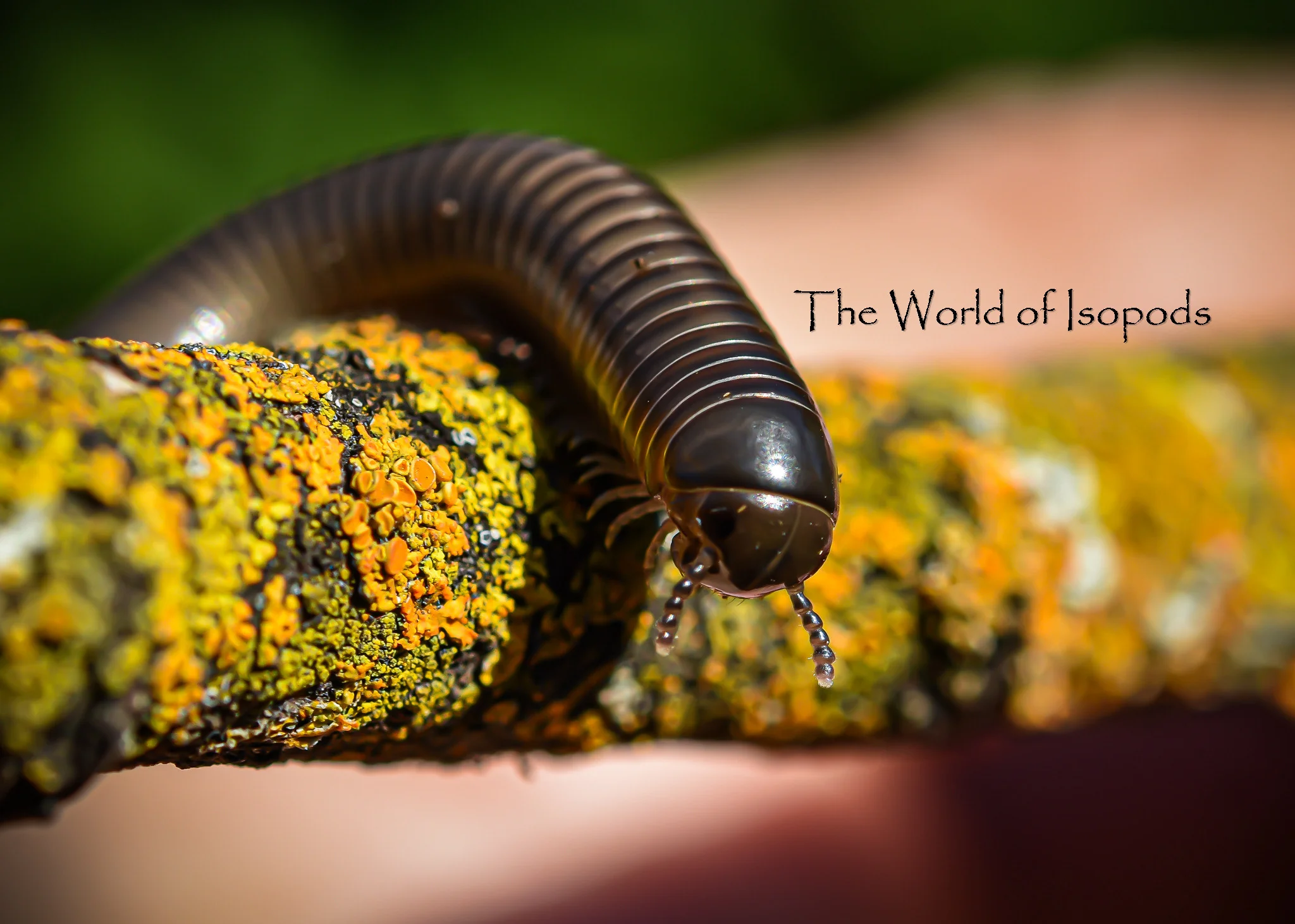
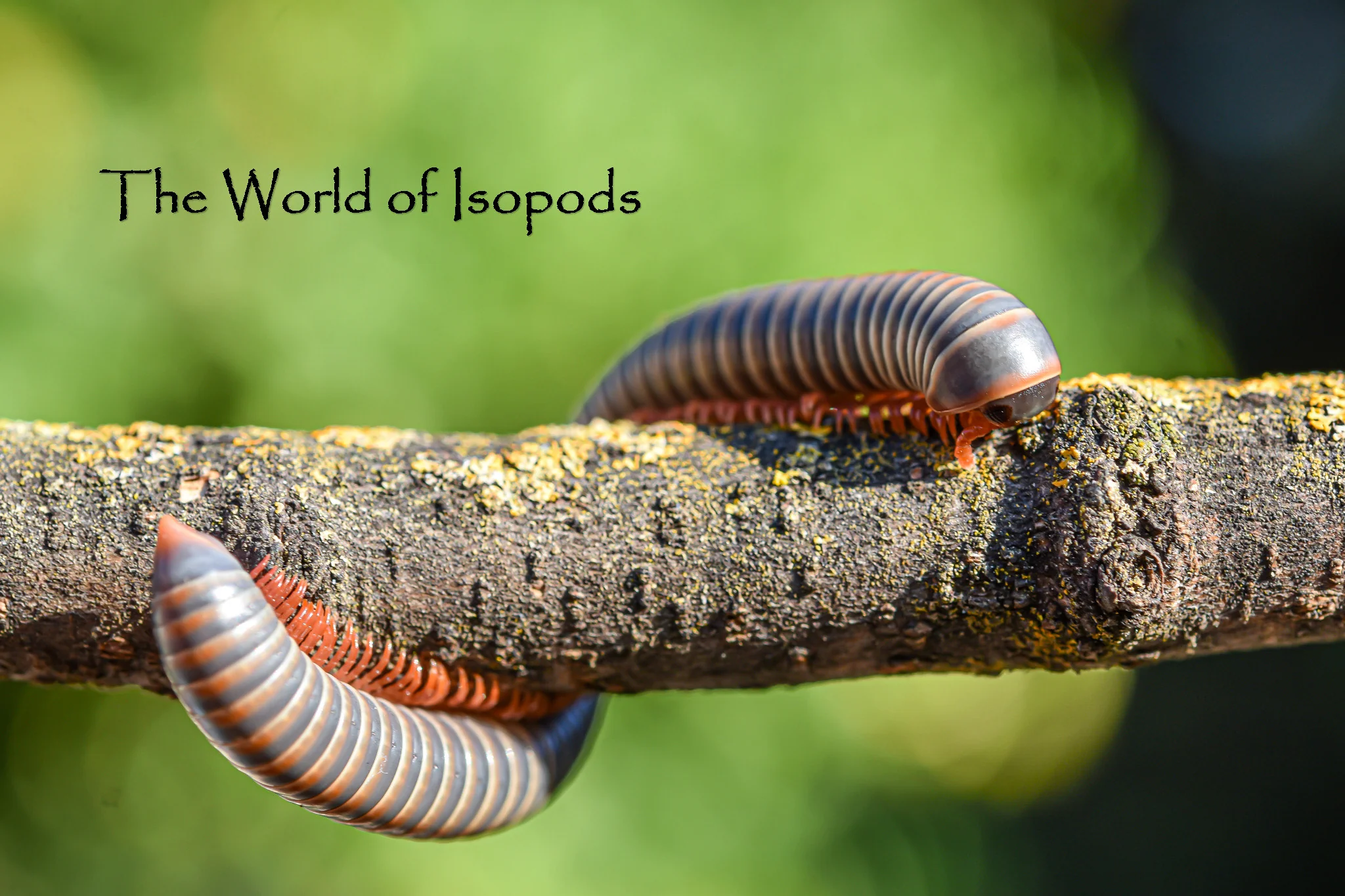
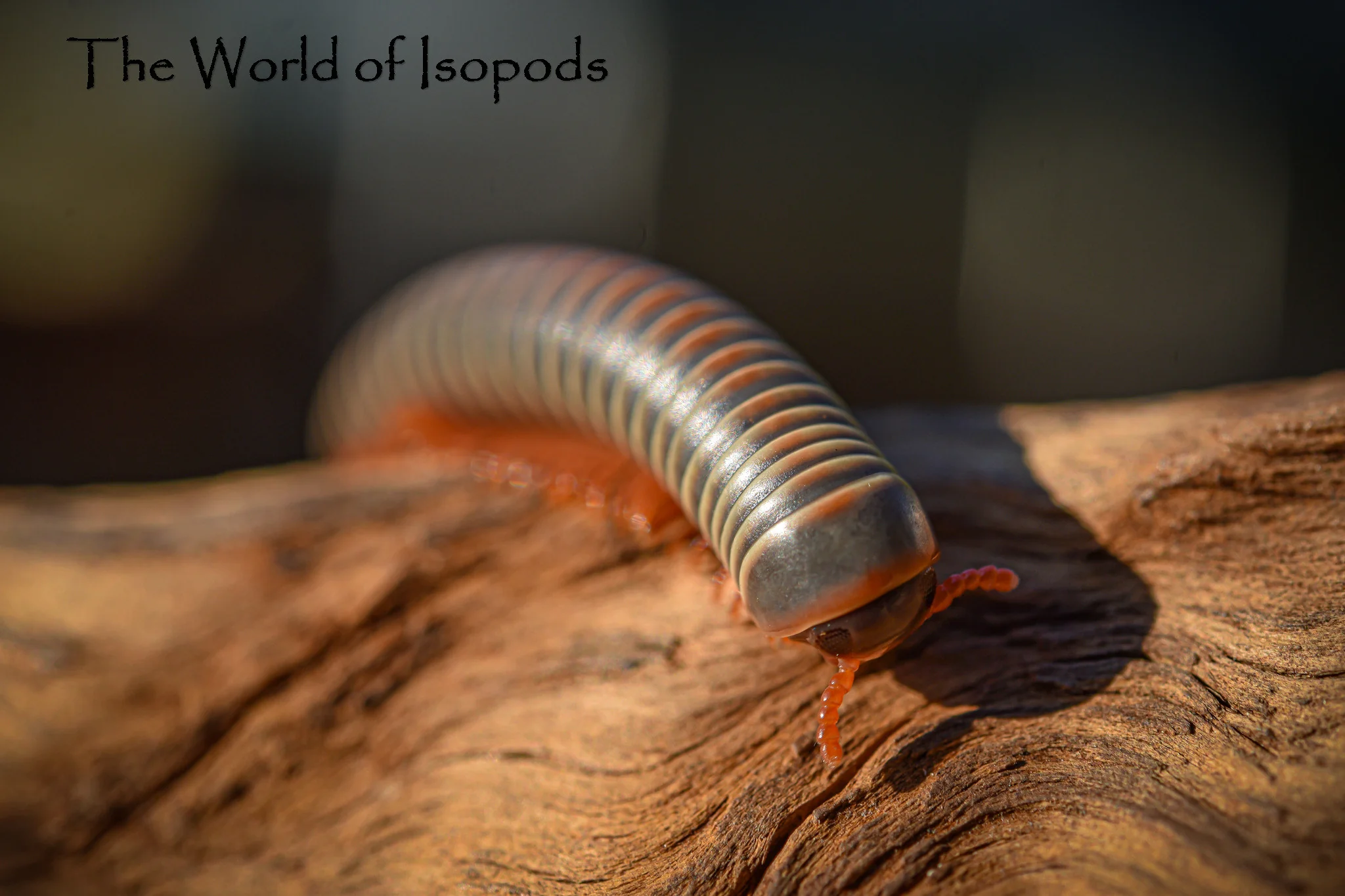
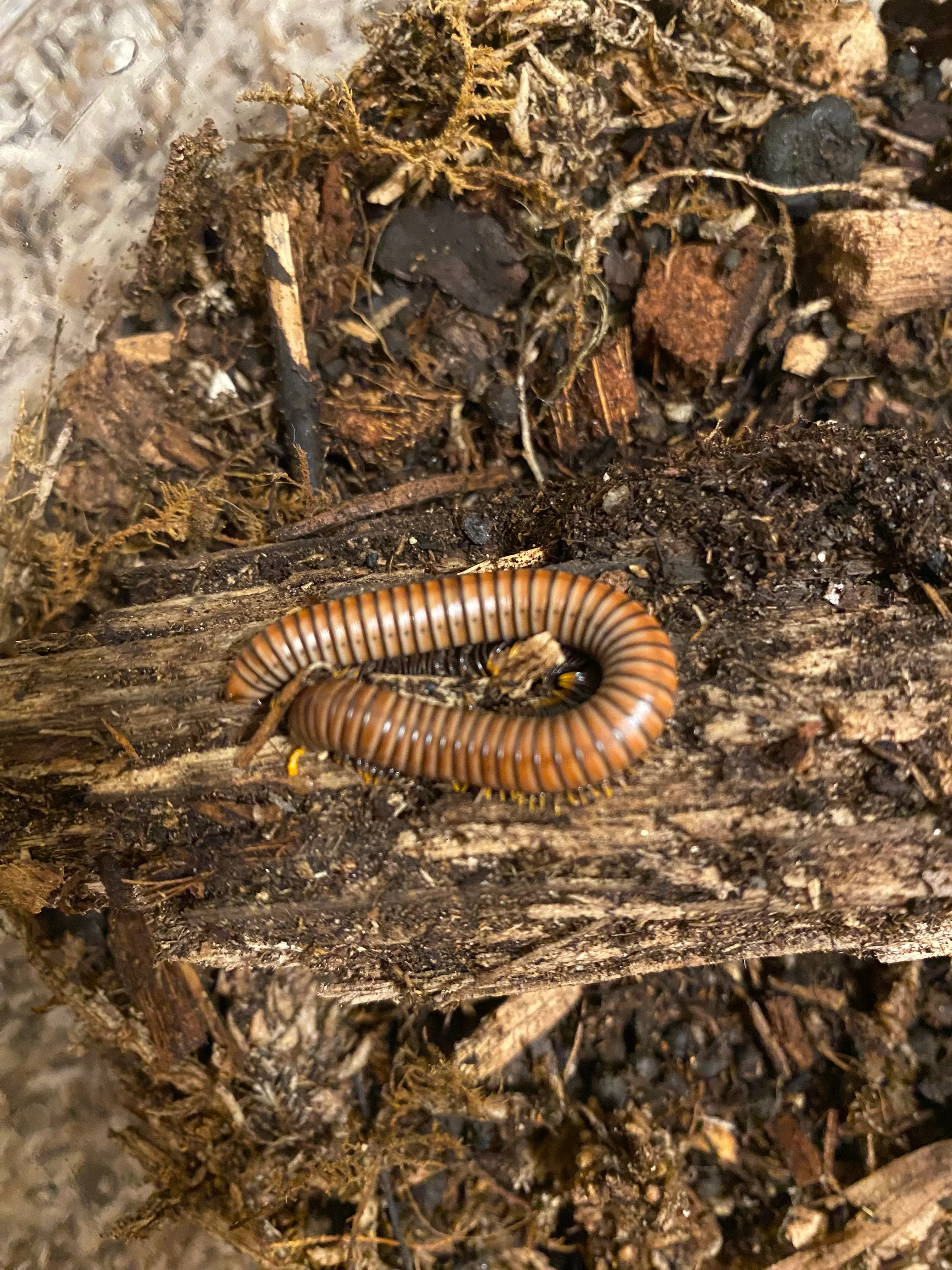
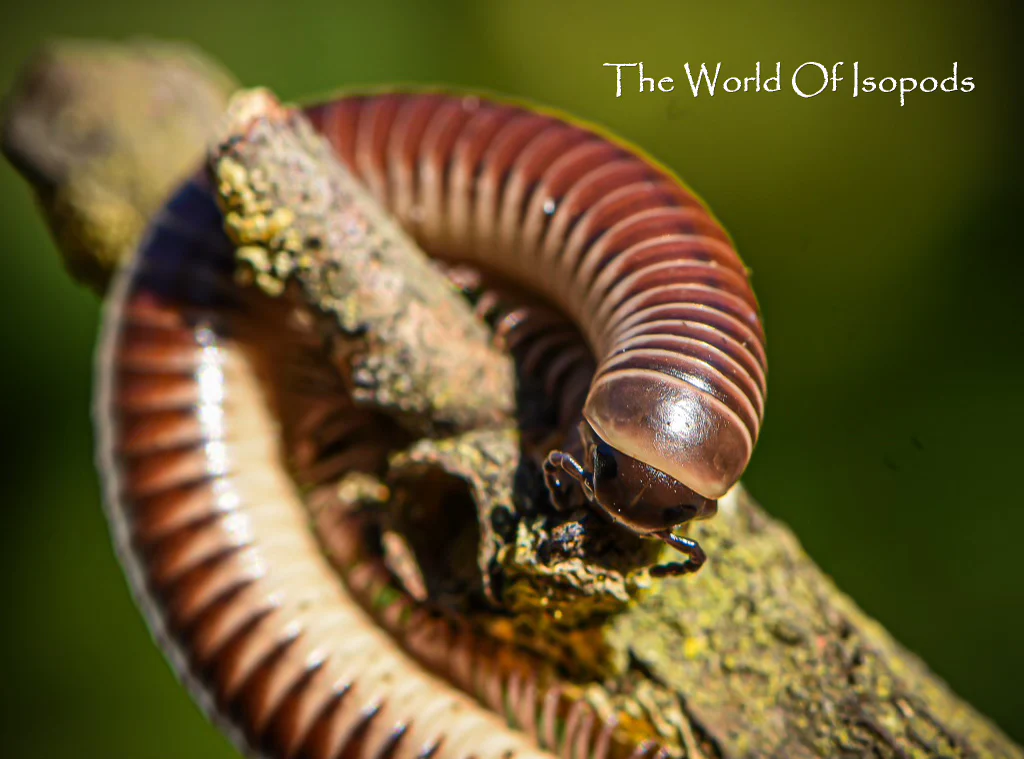
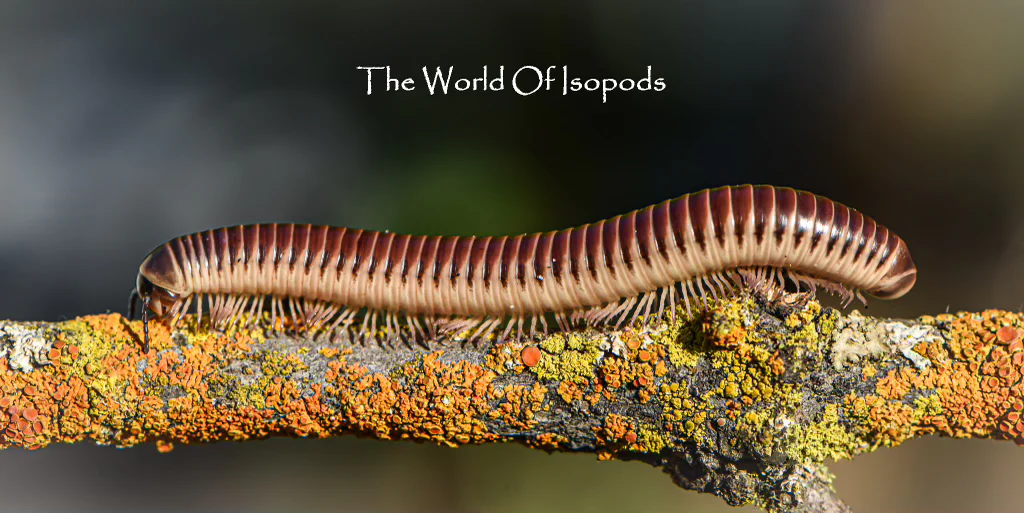
The Florida Ivory Millipede (Chicobolus spiniferus) is a large, hardy species native to the southeastern United States, prized for its smooth, glossy appearance and contrasting colors. Typically reaching lengths of 4 to 5 inches, these millipedes feature a creamy white or ivory background with bold black or dark brown stripes running down their backs. They are known for their calm demeanor and hardiness, making them an excellent "starter" species for those new to the hobby, as they are tolerant of a slightly wider range of conditions than many tropical imports.
As detritivores, these millipedes spend much of their time on the forest floor searching for decaying organic matter. In captivity, they are active burrowers and will often dig deep into the substrate to molt or rest, so providing ample underground space is essential for their well-being. They are generally social creatures that do well in groups, and while they are docile enough to be handled, they can secrete a defensive liquid if threatened, which can stain skin and should be washed off immediately.
- Substrate: Provide a deep layer (at least 4 to 5 inches) of coconut fiber, peat moss, or organic potting soil mixed with decaying hardwood leaves and rotten wood; this acts as both shelter and a primary food source.
- Diet: Feed a staple of decaying leaves and wood, supplemented with vegetables (cucumber, squash), fruits, and protein sources like fish flakes or dog kibble; calcium supplementation (cuttlebone) is vital for healthy molting.
- Temperature & Humidity: Maintain temperatures between 70°F and 80°F with moderate to high humidity; the substrate should be kept damp but not waterlogged.
- Lifespan: They are long-lived for invertebrates, often living 5 to 7 years or more with proper care.
(Please Read Shipping Policy)
Original: $10.00
-65%$10.00
$3.50Product Information
Product Information
Shipping & Returns
Shipping & Returns
Description
The Florida Ivory Millipede (Chicobolus spiniferus) is a large, hardy species native to the southeastern United States, prized for its smooth, glossy appearance and contrasting colors. Typically reaching lengths of 4 to 5 inches, these millipedes feature a creamy white or ivory background with bold black or dark brown stripes running down their backs. They are known for their calm demeanor and hardiness, making them an excellent "starter" species for those new to the hobby, as they are tolerant of a slightly wider range of conditions than many tropical imports.
As detritivores, these millipedes spend much of their time on the forest floor searching for decaying organic matter. In captivity, they are active burrowers and will often dig deep into the substrate to molt or rest, so providing ample underground space is essential for their well-being. They are generally social creatures that do well in groups, and while they are docile enough to be handled, they can secrete a defensive liquid if threatened, which can stain skin and should be washed off immediately.
- Substrate: Provide a deep layer (at least 4 to 5 inches) of coconut fiber, peat moss, or organic potting soil mixed with decaying hardwood leaves and rotten wood; this acts as both shelter and a primary food source.
- Diet: Feed a staple of decaying leaves and wood, supplemented with vegetables (cucumber, squash), fruits, and protein sources like fish flakes or dog kibble; calcium supplementation (cuttlebone) is vital for healthy molting.
- Temperature & Humidity: Maintain temperatures between 70°F and 80°F with moderate to high humidity; the substrate should be kept damp but not waterlogged.
- Lifespan: They are long-lived for invertebrates, often living 5 to 7 years or more with proper care.
(Please Read Shipping Policy)