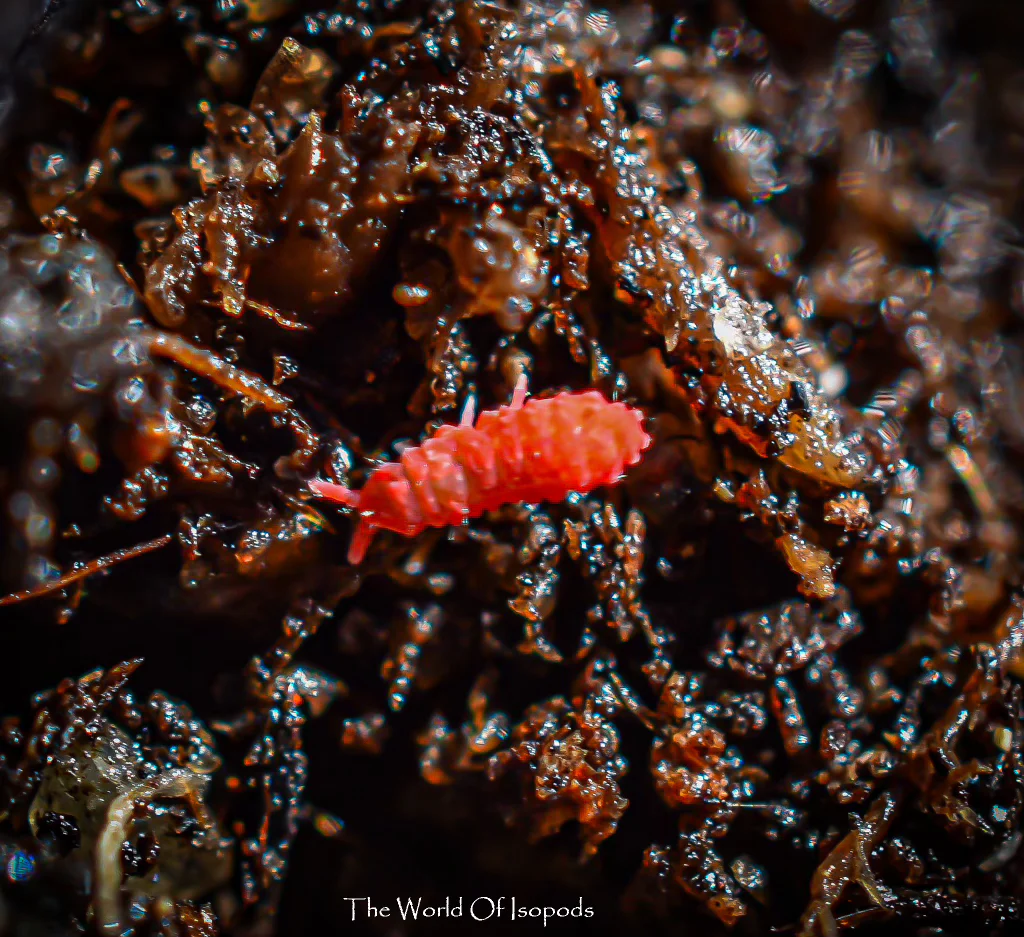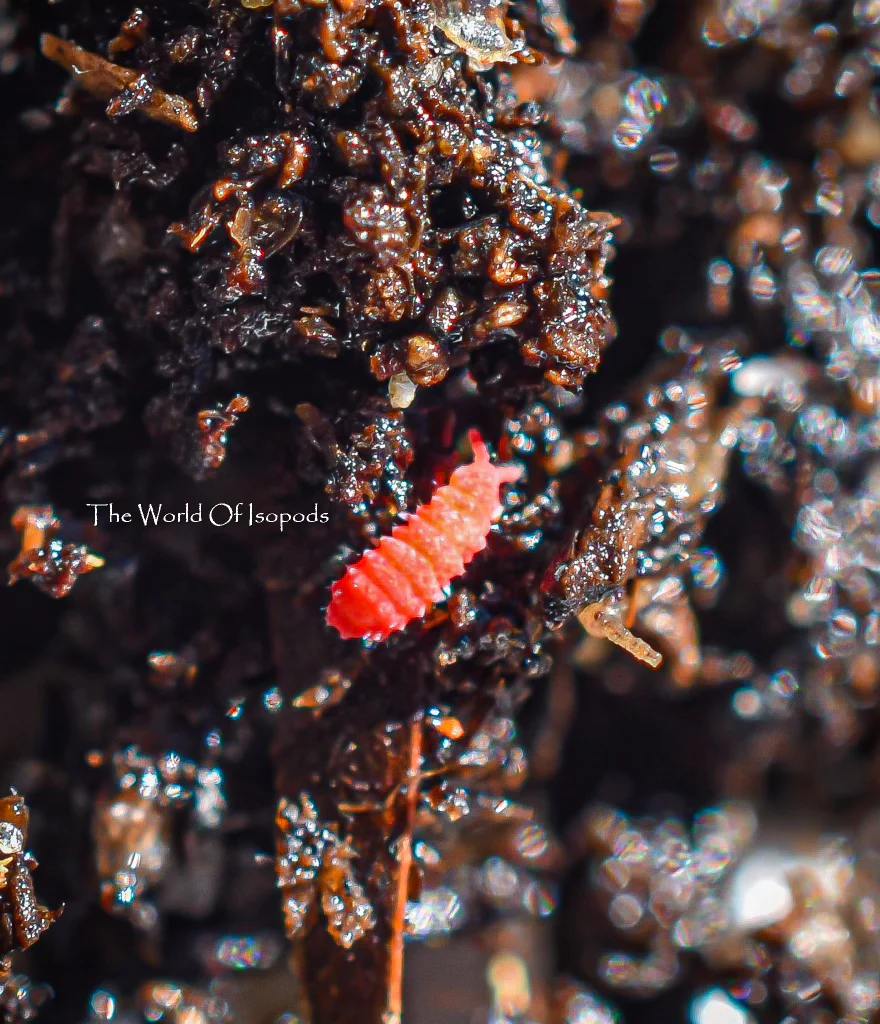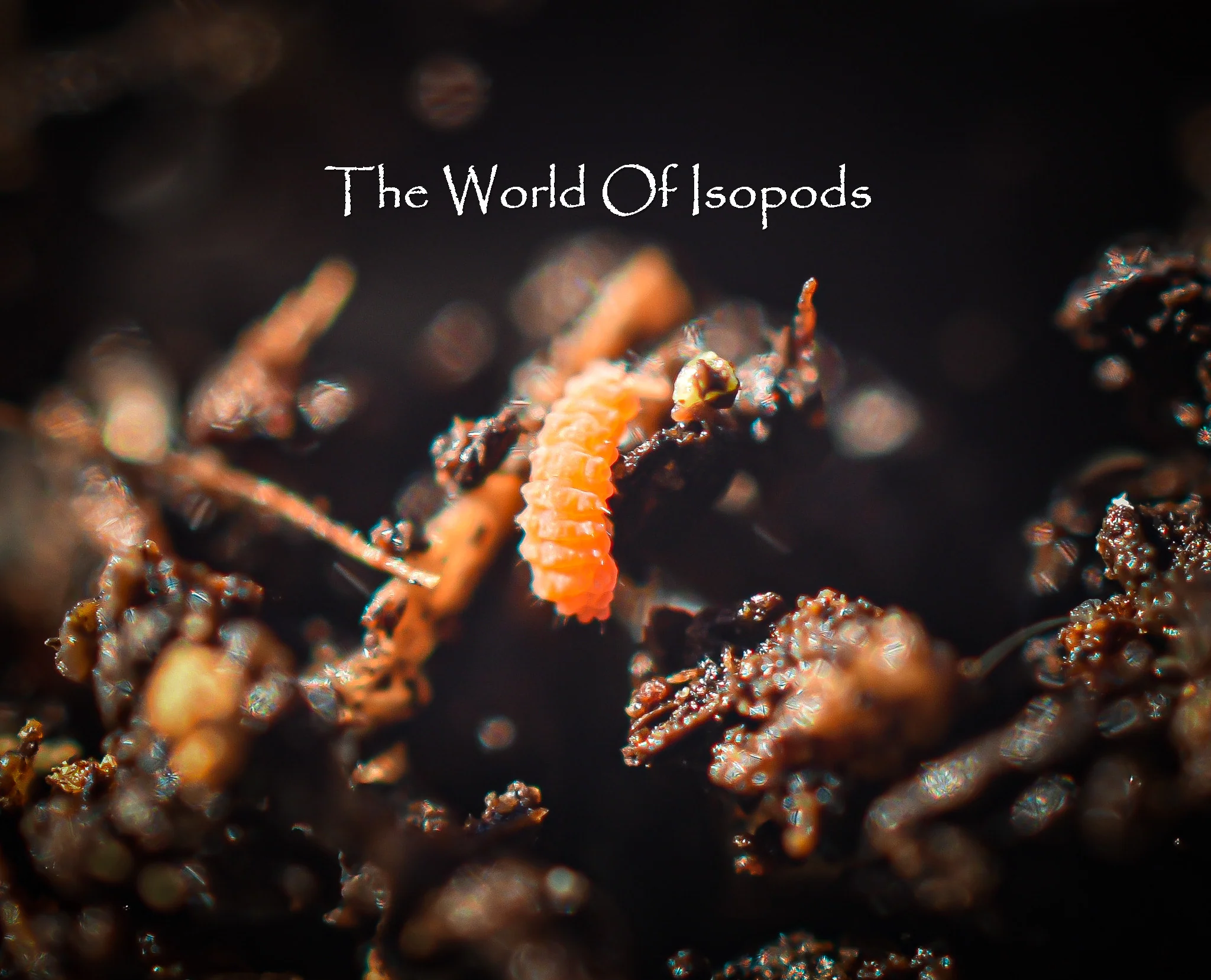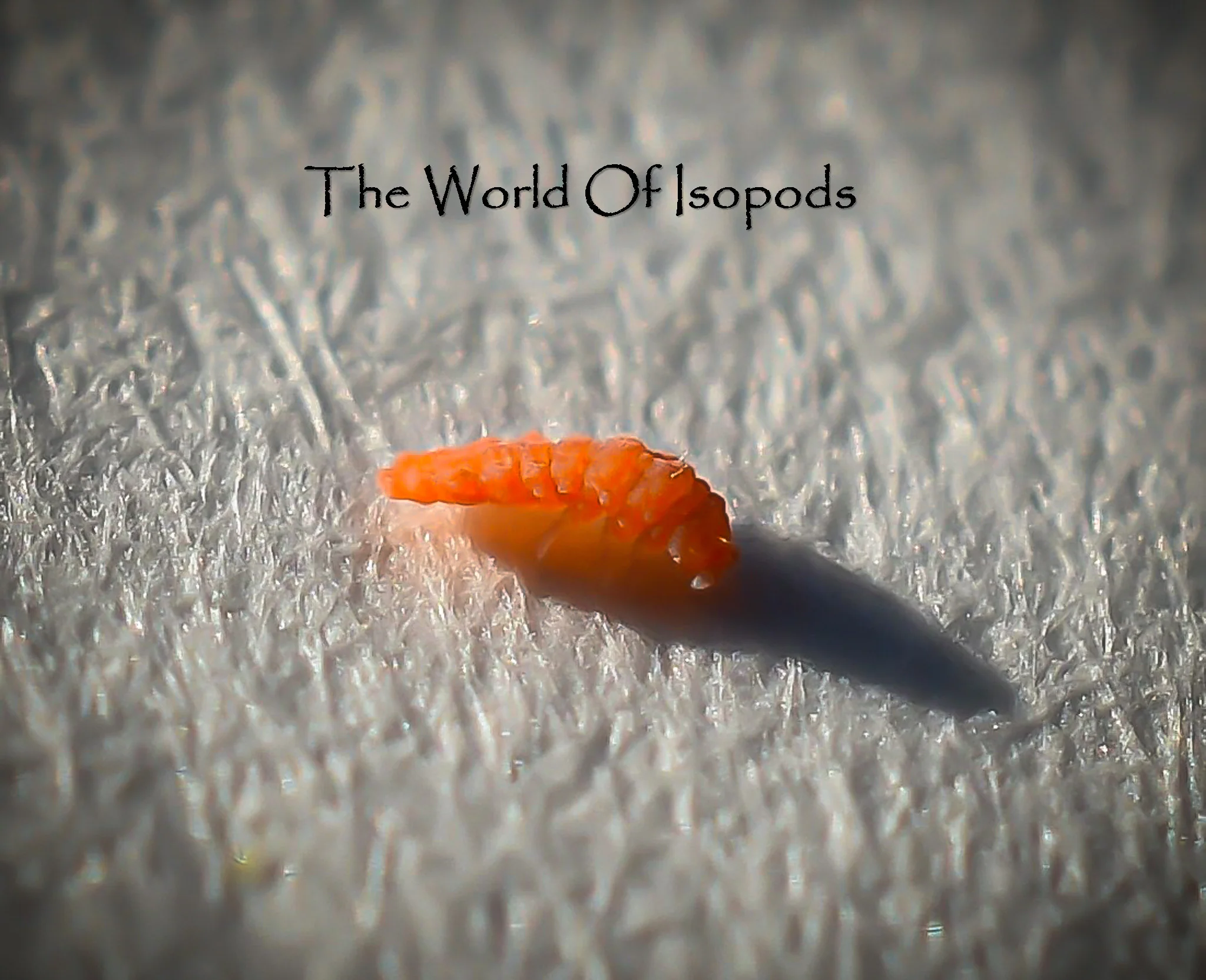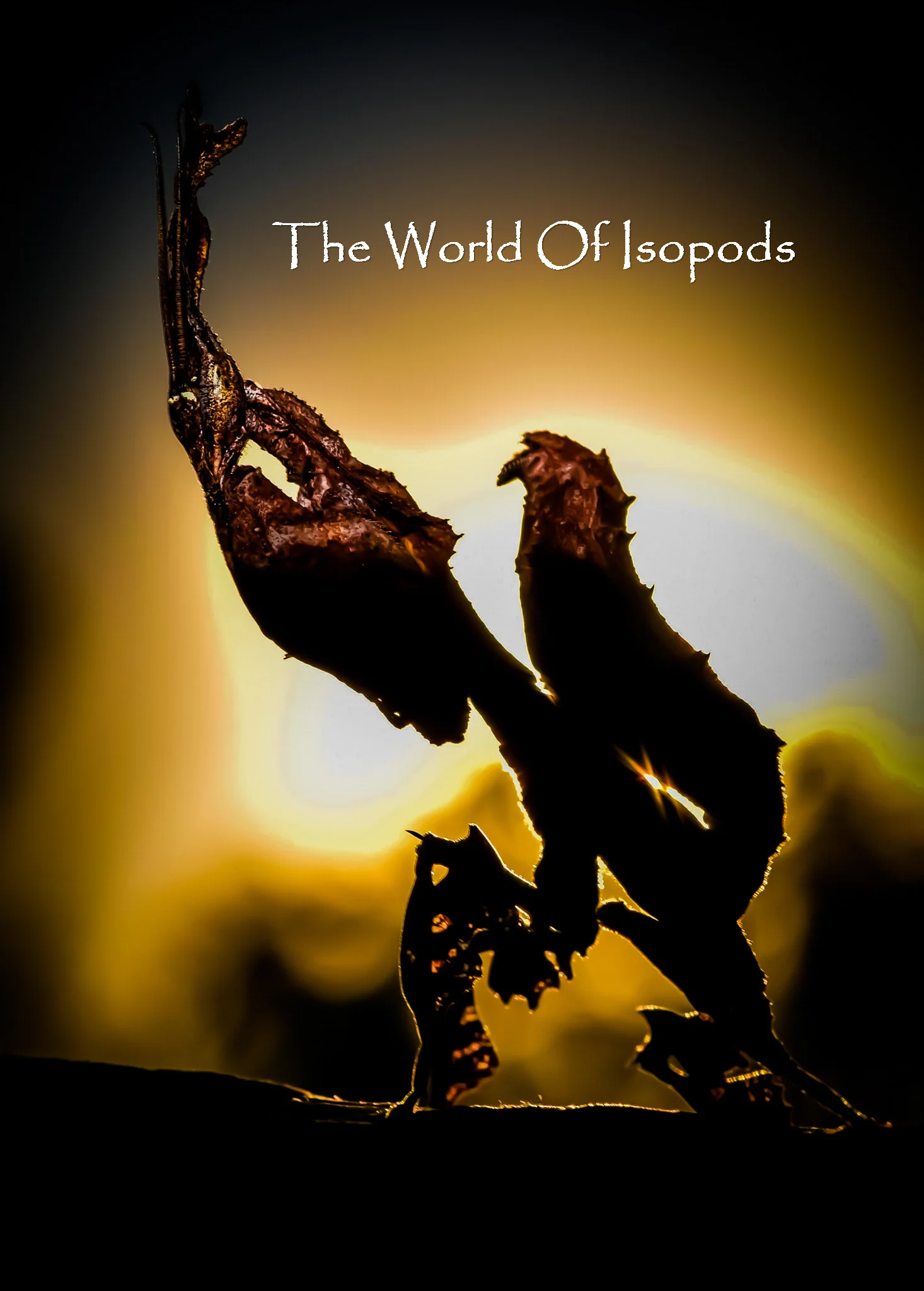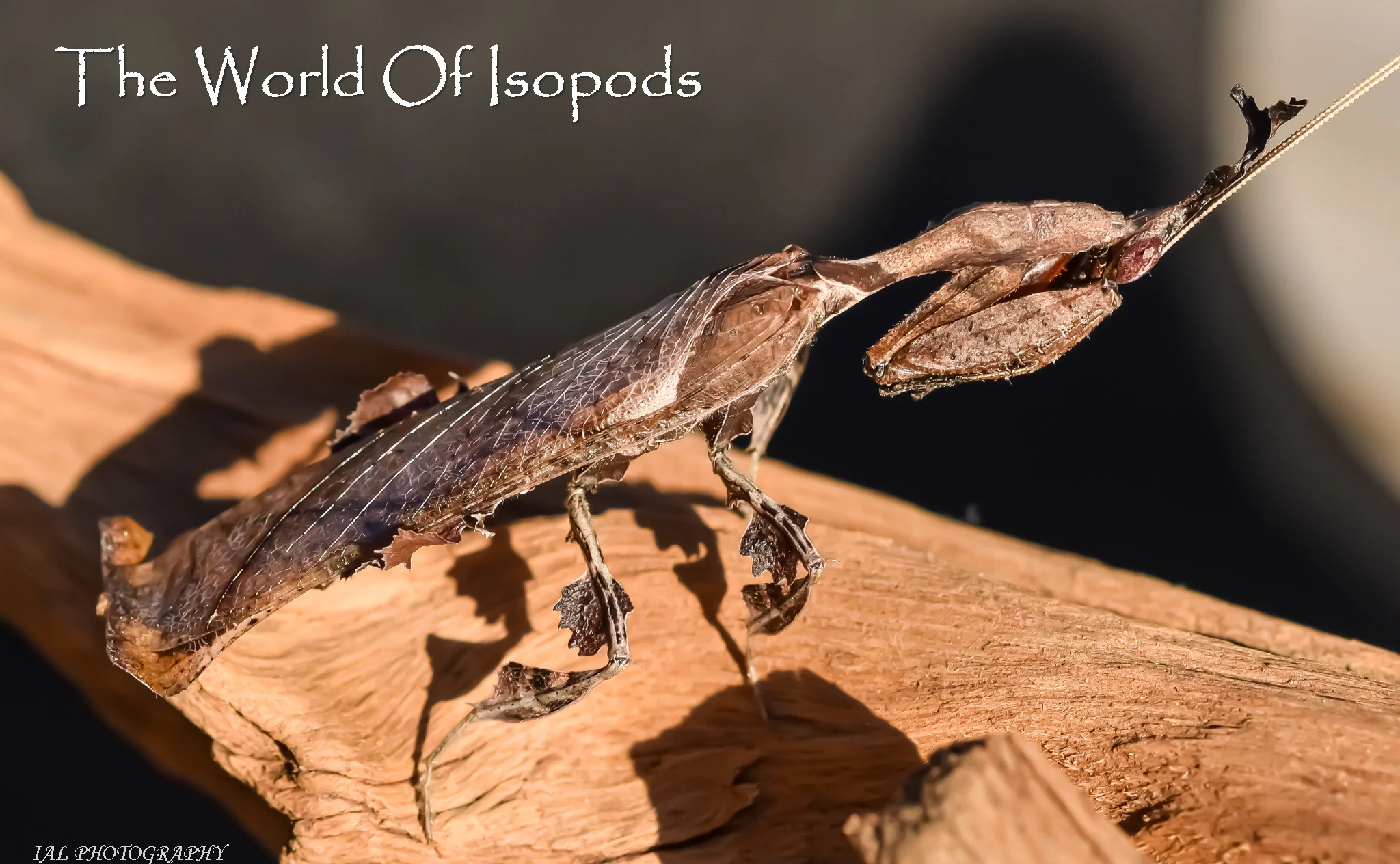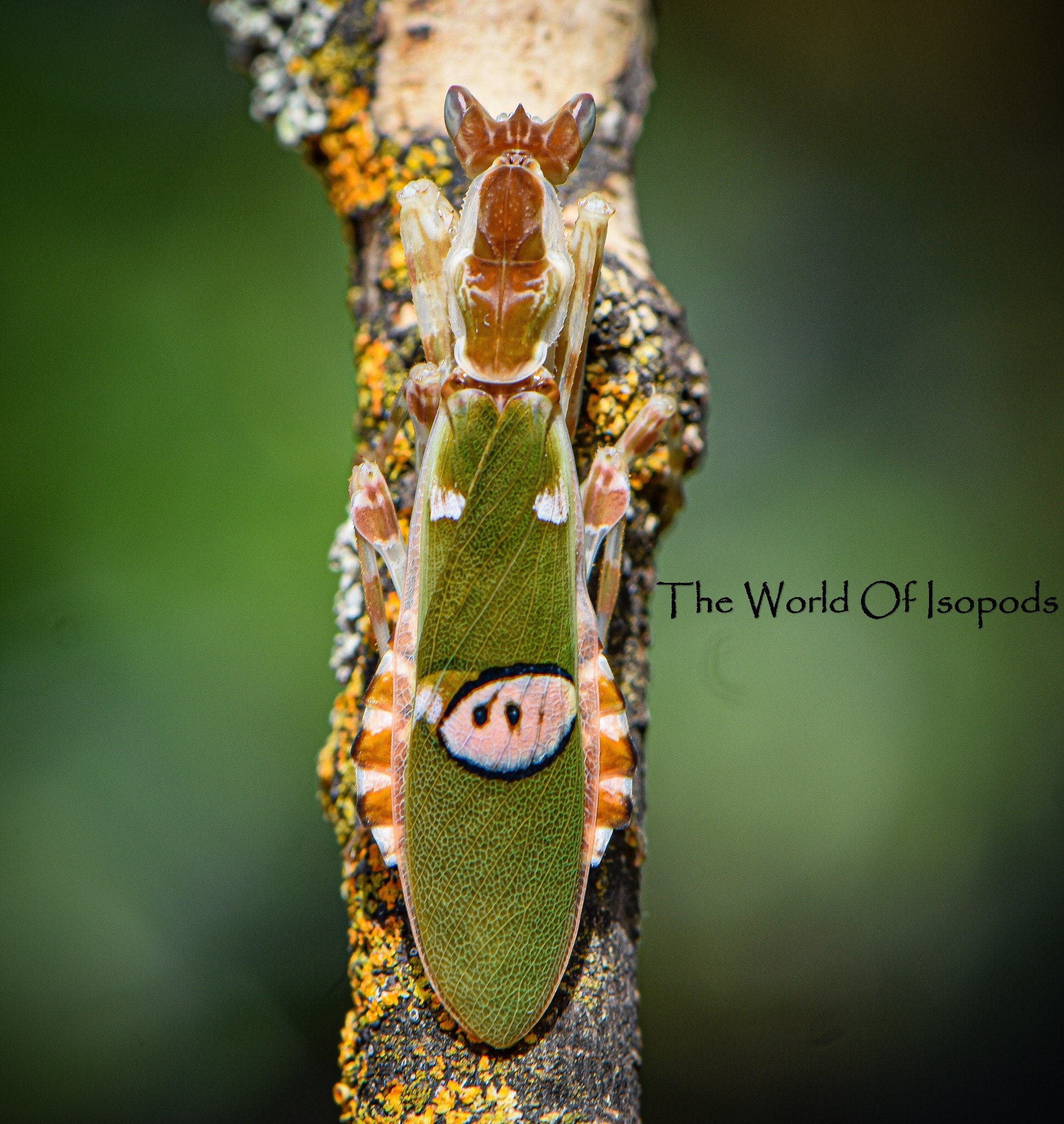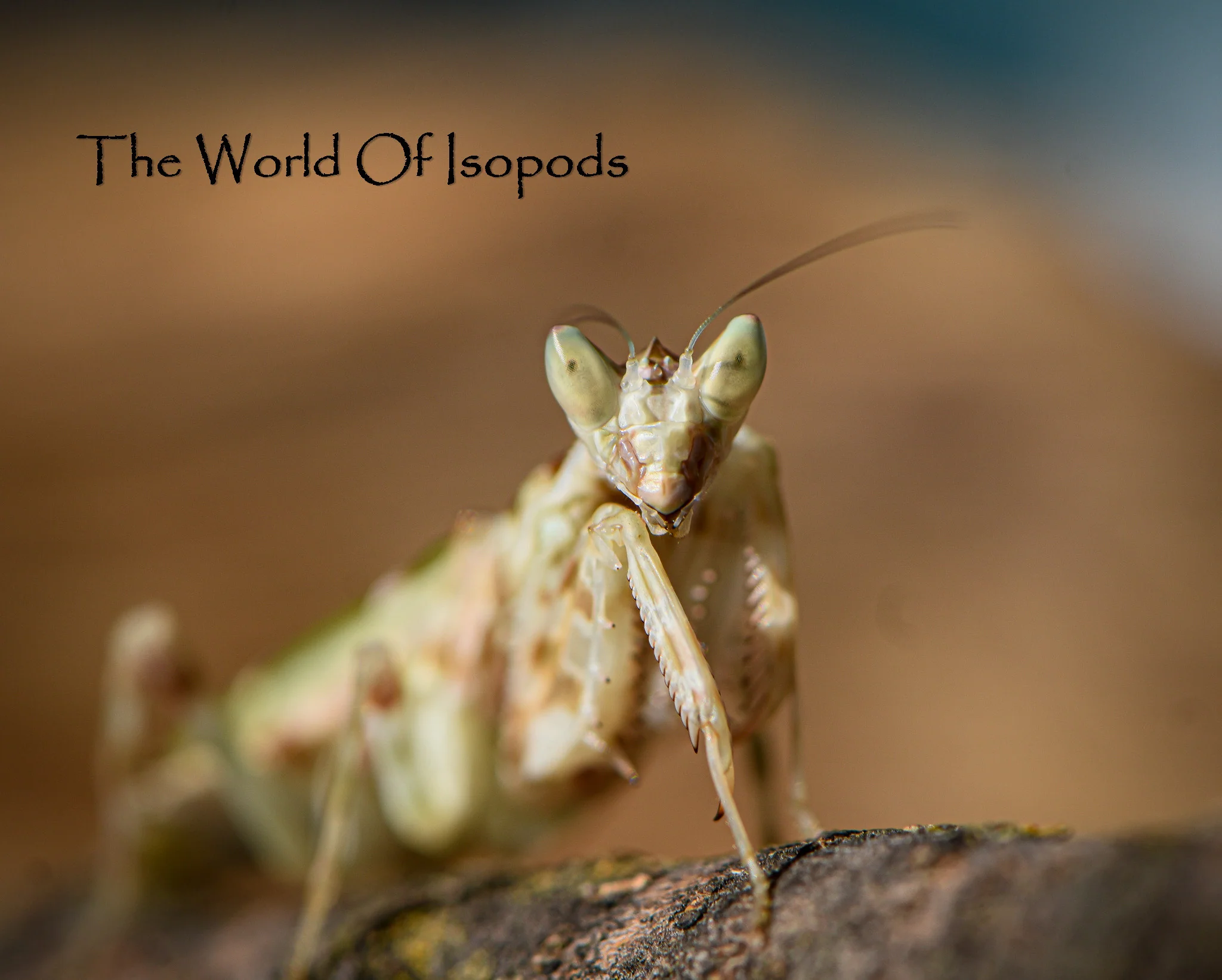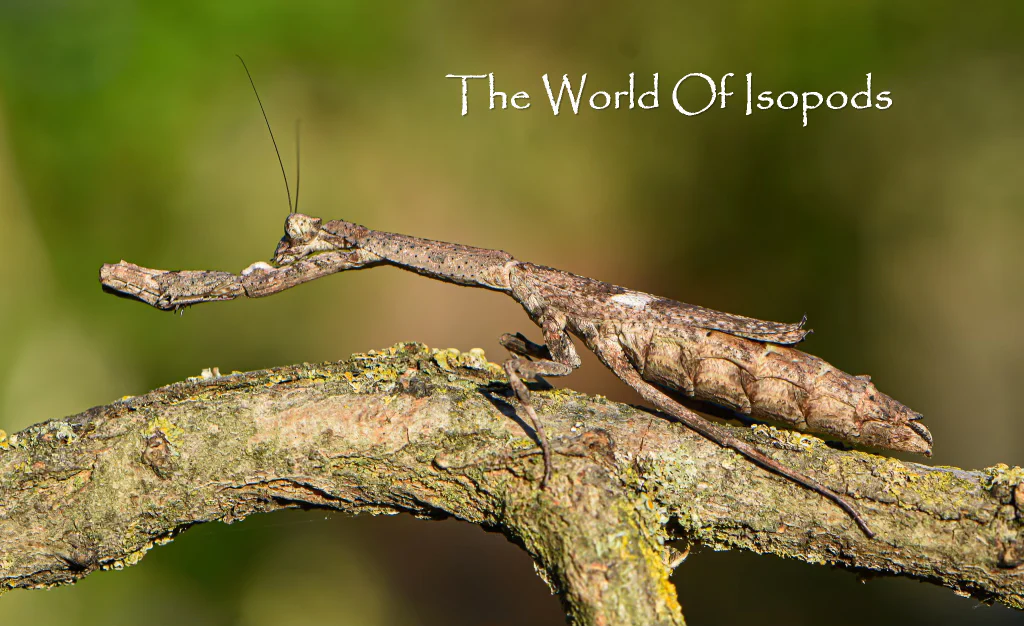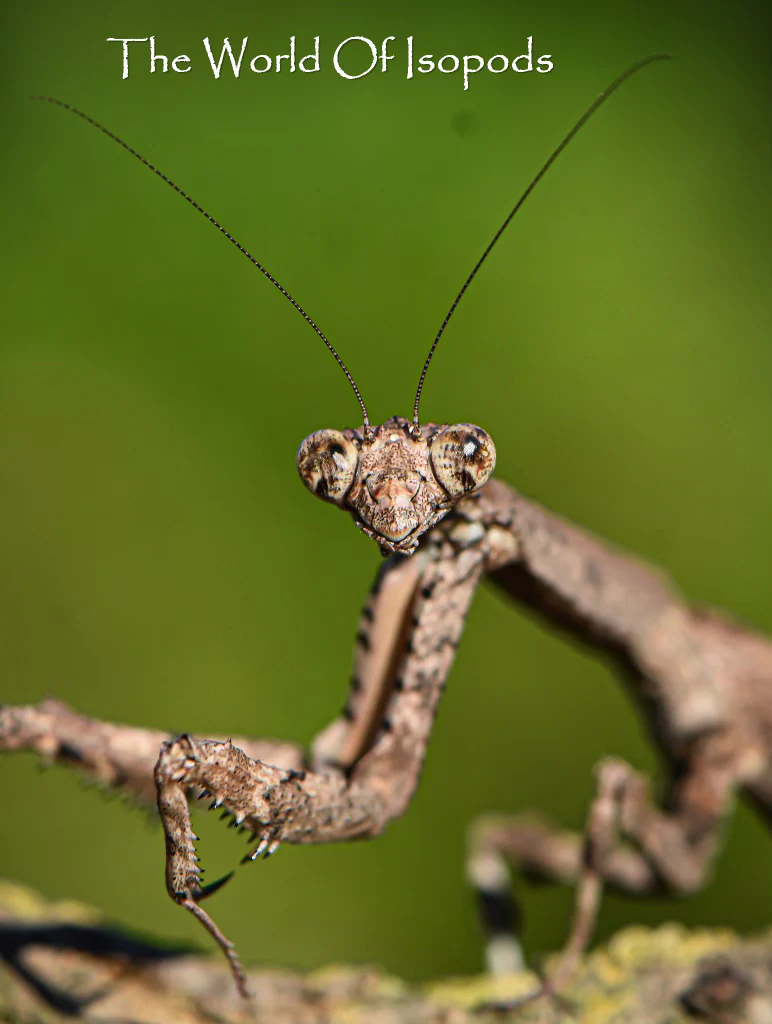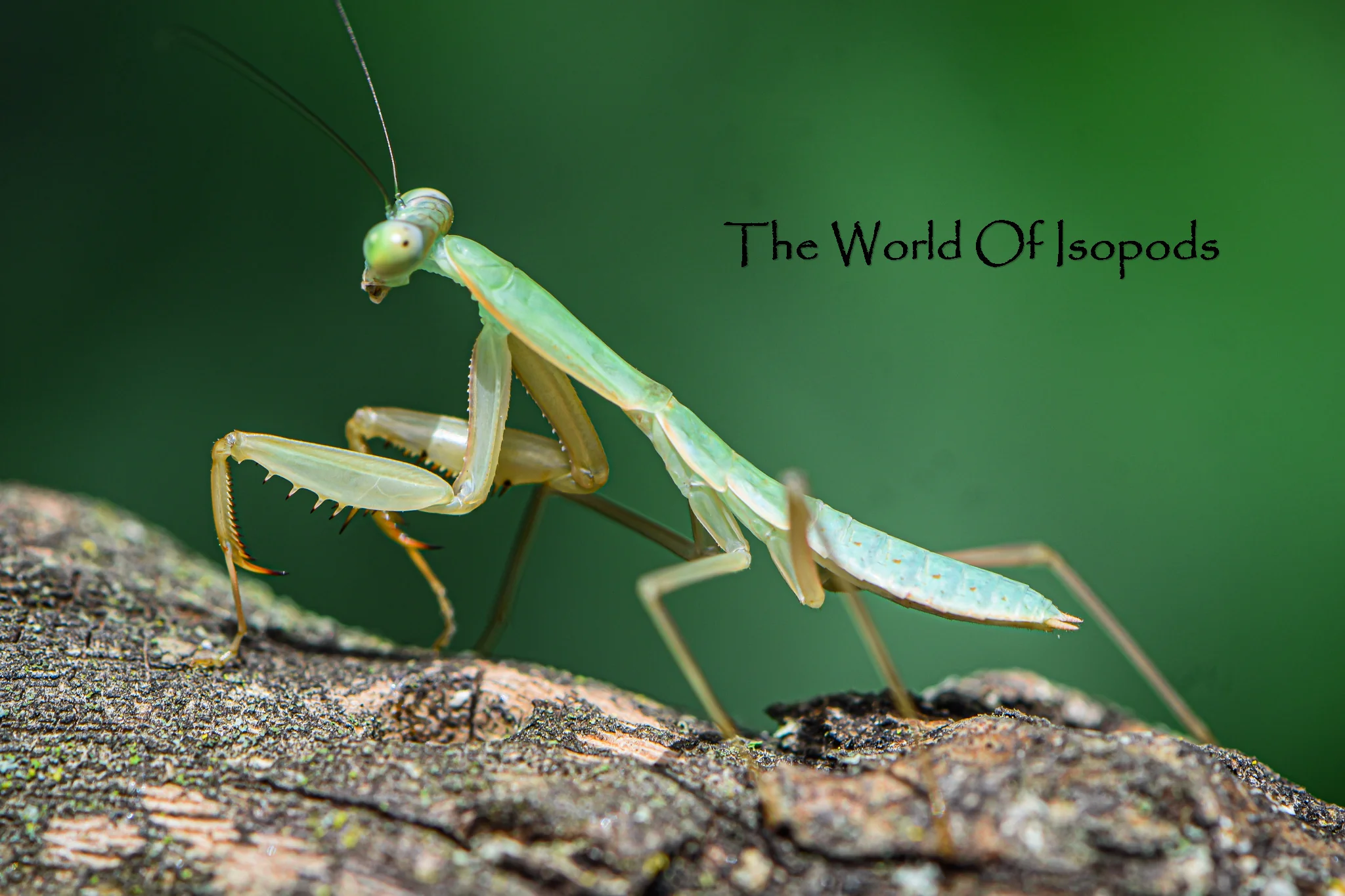
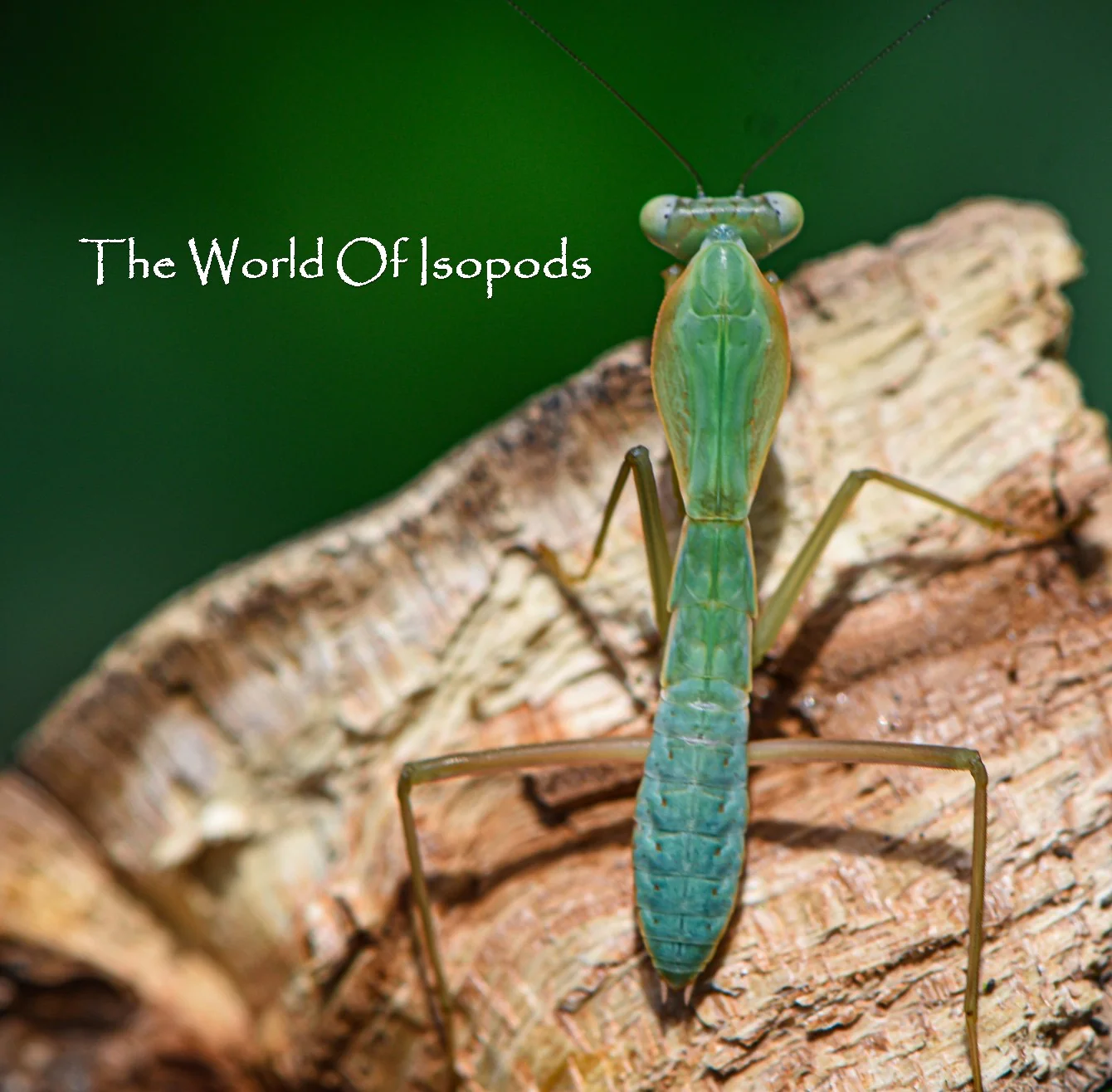
Green Phase Giant Shields Mantis
Green Phase Giant Shields Mantises (often sold as a color form of shield mantises) thrive in tall, well-ventilated enclosures that allow plenty of climbing space and room to molt safely. Use a vertical enclosure at least 3× the mantis’s body length in height, with mesh or ventilated sides and a secure lid. Provide a variety of climbing surfaces such as twigs, branches, and artificial or live plants, making sure there are sturdy horizontal and diagonal perches near the top for molting. Maintain temperatures around 75–82°F (24–28°C) with a gentle temperature drop at night, and keep humidity moderate–high, typically in the 50–70% range depending on life stage (younger nymphs appreciate the higher end). Lightly mist one side of the enclosure once or twice a day so the mantis can drink droplets, but allow areas to dry out between mistings to prevent mold.
Feed Green Phase Giant Shields a varied diet of appropriately sized live insects such as fruit flies (for small nymphs), house flies, bluebottles, small roaches, or crickets as they grow. Prey should be no larger than the width of the mantis’s head for young nymphs and can scale up with size as they mature; offer food every 1–2 days for nymphs and every 2–3 days for adults, removing any uneaten prey after a few hours, especially before molting. Avoid handling them during or right after a molt, as they are extremely fragile, and in general keep handling gentle and minimal—let them walk onto your hand rather than grabbing. Regularly spot-clean the enclosure by removing old prey remains and waste, and ensure good airflow to keep the environment clean and reduce risk of fungal or bacterial problems.
Key care points
-
Enclosure shape: Tall/vertical enclosure, at least 3× body length in height.
-
Ventilation: Good airflow with mesh or ventilated panels and a secure lid.
-
Climbing structure: Provide branches, twigs, and plants with strong perches near the top for molting.
-
Substrate: Paper towel, eco-earth, or similar; easy to clean and not overly damp.
-
Temperature: Aim for about 75–82°F (24–28°C) with a small nighttime drop.
-
Humidity: Generally 50–70%; higher for young nymphs, moderate for adults.
-
Misting: Lightly mist one side of the enclosure once or twice daily so they can drink; avoid constant wetness.
-
Diet (nymphs): Appropriately sized fruit flies, pinhead crickets, and small roaches.
-
Diet (older/larger): House flies, bluebottles, small roaches, or small crickets; prey size scales with mantis size.
-
Feeding frequency: Every 1–2 days for nymphs; every 2–3 days for adults.
-
Molting safety: Never keep large, aggressive feeders in with a pre-molt mantis; do not handle during or right after molts.
-
Handling: Minimal and gentle; allow the mantis to step onto your hand instead of grabbing.
-
Cleaning: Remove old prey, shed skins, and waste regularly; keep enclosure dry enough to prevent mold.
-
Lighting: Bright ambient room light is usually sufficient; avoid intense, hot lights directly on the enclosure.
(Please Read Shipping Policy)
Original: $40.00
-65%$40.00
$14.00Product Information
Product Information
Shipping & Returns
Shipping & Returns
Description
Green Phase Giant Shields Mantises (often sold as a color form of shield mantises) thrive in tall, well-ventilated enclosures that allow plenty of climbing space and room to molt safely. Use a vertical enclosure at least 3× the mantis’s body length in height, with mesh or ventilated sides and a secure lid. Provide a variety of climbing surfaces such as twigs, branches, and artificial or live plants, making sure there are sturdy horizontal and diagonal perches near the top for molting. Maintain temperatures around 75–82°F (24–28°C) with a gentle temperature drop at night, and keep humidity moderate–high, typically in the 50–70% range depending on life stage (younger nymphs appreciate the higher end). Lightly mist one side of the enclosure once or twice a day so the mantis can drink droplets, but allow areas to dry out between mistings to prevent mold.
Feed Green Phase Giant Shields a varied diet of appropriately sized live insects such as fruit flies (for small nymphs), house flies, bluebottles, small roaches, or crickets as they grow. Prey should be no larger than the width of the mantis’s head for young nymphs and can scale up with size as they mature; offer food every 1–2 days for nymphs and every 2–3 days for adults, removing any uneaten prey after a few hours, especially before molting. Avoid handling them during or right after a molt, as they are extremely fragile, and in general keep handling gentle and minimal—let them walk onto your hand rather than grabbing. Regularly spot-clean the enclosure by removing old prey remains and waste, and ensure good airflow to keep the environment clean and reduce risk of fungal or bacterial problems.
Key care points
-
Enclosure shape: Tall/vertical enclosure, at least 3× body length in height.
-
Ventilation: Good airflow with mesh or ventilated panels and a secure lid.
-
Climbing structure: Provide branches, twigs, and plants with strong perches near the top for molting.
-
Substrate: Paper towel, eco-earth, or similar; easy to clean and not overly damp.
-
Temperature: Aim for about 75–82°F (24–28°C) with a small nighttime drop.
-
Humidity: Generally 50–70%; higher for young nymphs, moderate for adults.
-
Misting: Lightly mist one side of the enclosure once or twice daily so they can drink; avoid constant wetness.
-
Diet (nymphs): Appropriately sized fruit flies, pinhead crickets, and small roaches.
-
Diet (older/larger): House flies, bluebottles, small roaches, or small crickets; prey size scales with mantis size.
-
Feeding frequency: Every 1–2 days for nymphs; every 2–3 days for adults.
-
Molting safety: Never keep large, aggressive feeders in with a pre-molt mantis; do not handle during or right after molts.
-
Handling: Minimal and gentle; allow the mantis to step onto your hand instead of grabbing.
-
Cleaning: Remove old prey, shed skins, and waste regularly; keep enclosure dry enough to prevent mold.
-
Lighting: Bright ambient room light is usually sufficient; avoid intense, hot lights directly on the enclosure.
(Please Read Shipping Policy)