Mettalic Stag beetle
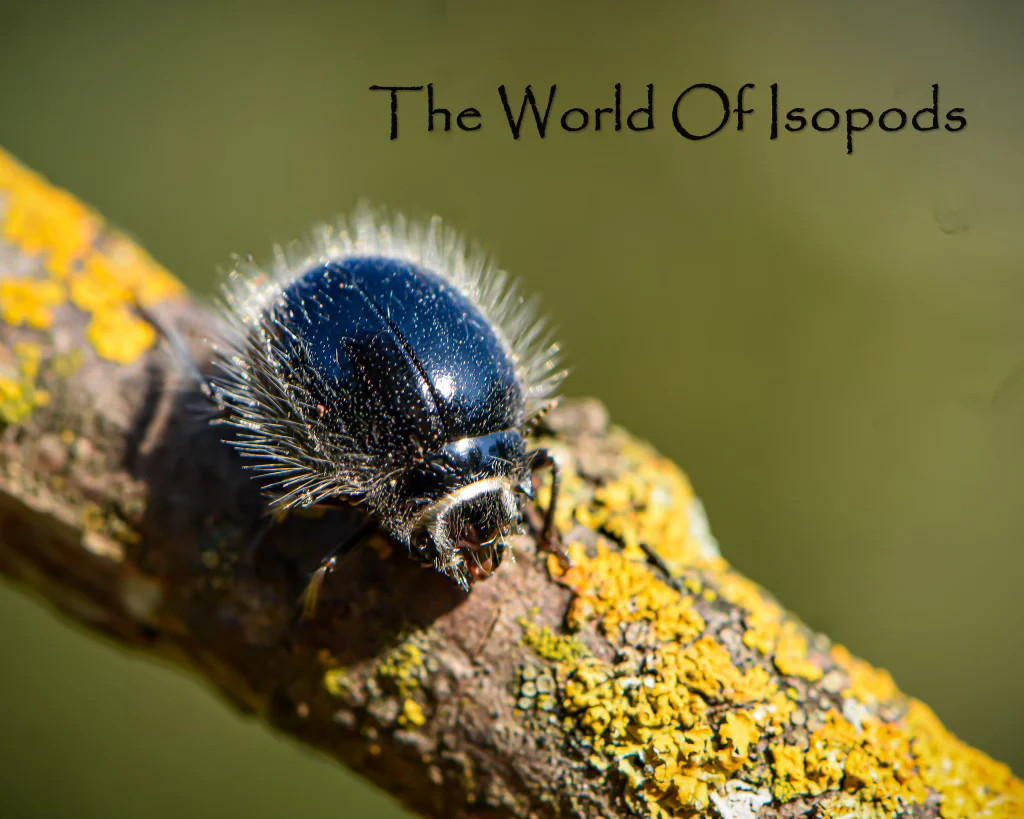
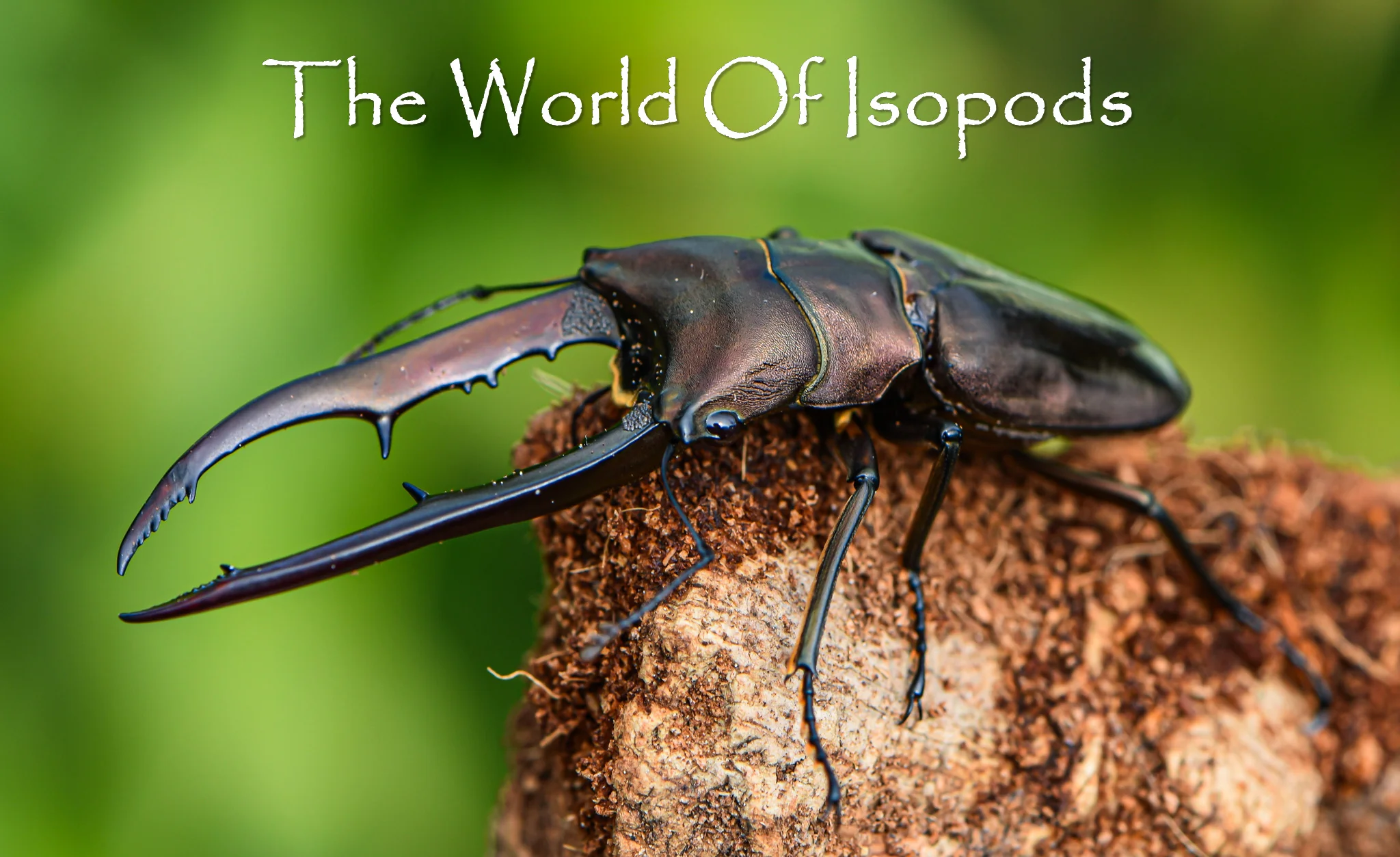
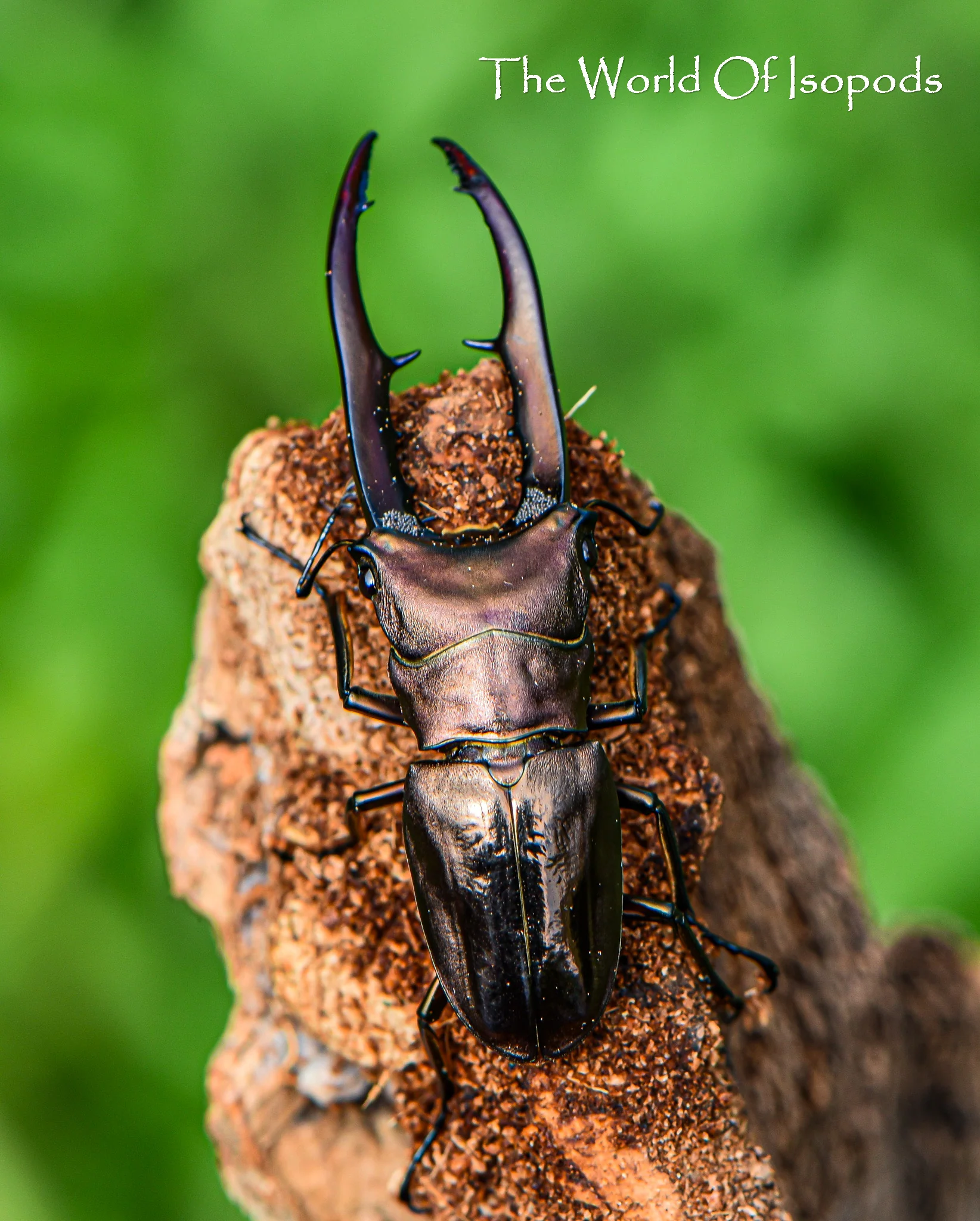
Metallic stag beetles are some of the most striking insects in the world, known for their shimmering, jewel-like colors and impressive jaws. These beetles belong to the family Lucanidae, and many of the most brilliantly colored species are found in Southeast Asia and Japan.
One of the best-known examples is the Cyclommatus metallifer, often called the golden or metallic stag beetle. Males of this species can grow up to 10–12 cm long, including their elongated mandibles. Their bodies often shine in iridescent shades of green, gold, copper, or even purplish-blue. The metallic appearance isn’t due to pigments alone but also to microscopic structures in their exoskeleton that reflect and refract light, creating a glossy, mirror-like effect.
Like other stag beetles, metallic species show strong sexual dimorphism. Males have oversized, antler-like mandibles that they use to wrestle rivals during mating season, competing for access to females. Females are usually smaller, with shorter and more practical jaws suited for feeding and digging.
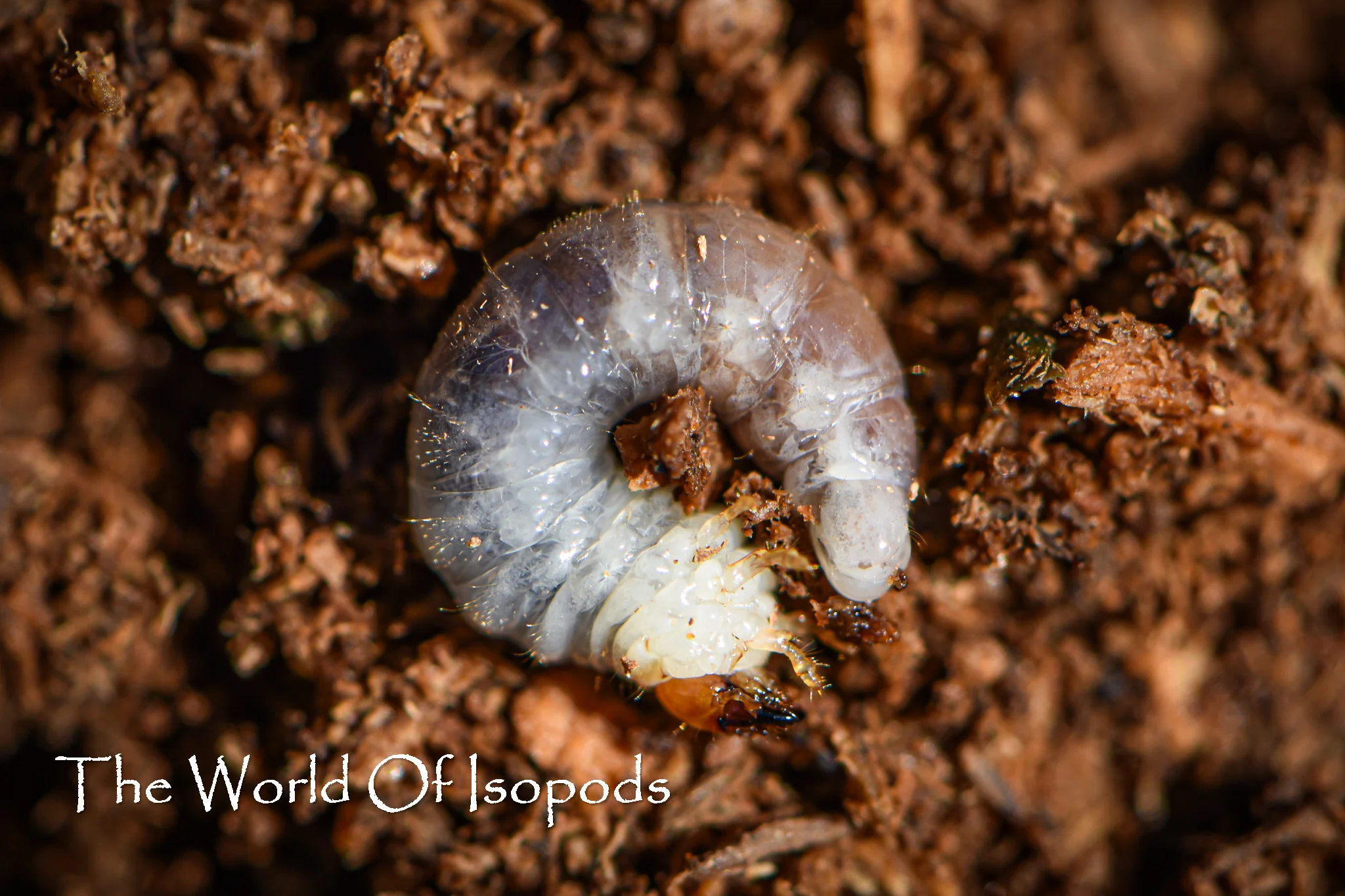
Metallic stag beetles typically inhabit tropical forests, where their larvae live inside decaying wood. The larvae feed on rotting timber for months or even years before pupating and emerging as adults. As adults, they often feed on tree sap or overripe fruit.
Beyond their ecological role in breaking down dead wood, metallic stag beetles are popular among insect collectors and hobbyists because of their dramatic size and vivid coloration. Their unique blend of strength, beauty, and armored appearance makes them one of the most admired beetles in the insect world.
(Read Shipping Policy Tab)
Original: $45.00
-65%$45.00
$15.75Product Information
Product Information
Shipping & Returns
Shipping & Returns
Description
Metallic stag beetles are some of the most striking insects in the world, known for their shimmering, jewel-like colors and impressive jaws. These beetles belong to the family Lucanidae, and many of the most brilliantly colored species are found in Southeast Asia and Japan.
One of the best-known examples is the Cyclommatus metallifer, often called the golden or metallic stag beetle. Males of this species can grow up to 10–12 cm long, including their elongated mandibles. Their bodies often shine in iridescent shades of green, gold, copper, or even purplish-blue. The metallic appearance isn’t due to pigments alone but also to microscopic structures in their exoskeleton that reflect and refract light, creating a glossy, mirror-like effect.
Like other stag beetles, metallic species show strong sexual dimorphism. Males have oversized, antler-like mandibles that they use to wrestle rivals during mating season, competing for access to females. Females are usually smaller, with shorter and more practical jaws suited for feeding and digging.
Metallic stag beetles typically inhabit tropical forests, where their larvae live inside decaying wood. The larvae feed on rotting timber for months or even years before pupating and emerging as adults. As adults, they often feed on tree sap or overripe fruit.
Beyond their ecological role in breaking down dead wood, metallic stag beetles are popular among insect collectors and hobbyists because of their dramatic size and vivid coloration. Their unique blend of strength, beauty, and armored appearance makes them one of the most admired beetles in the insect world.
(Read Shipping Policy Tab)