Thailand Pink Dragon Millipede
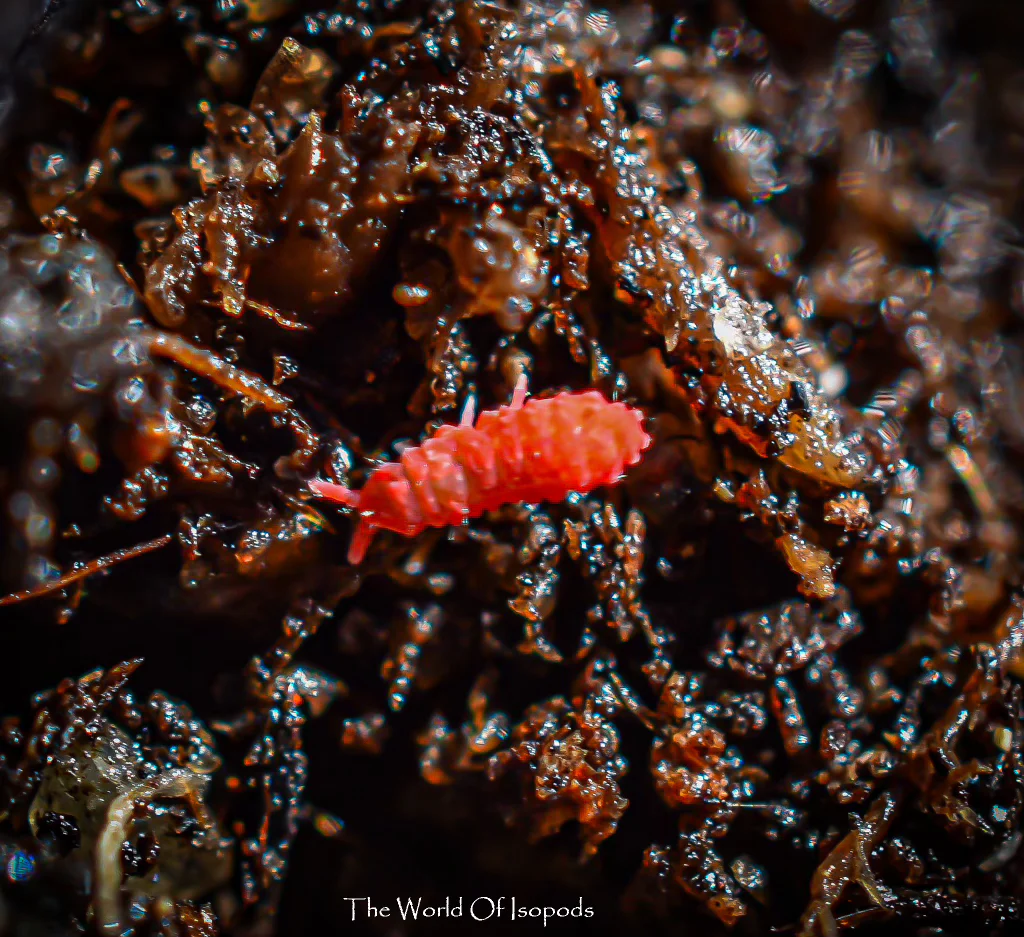
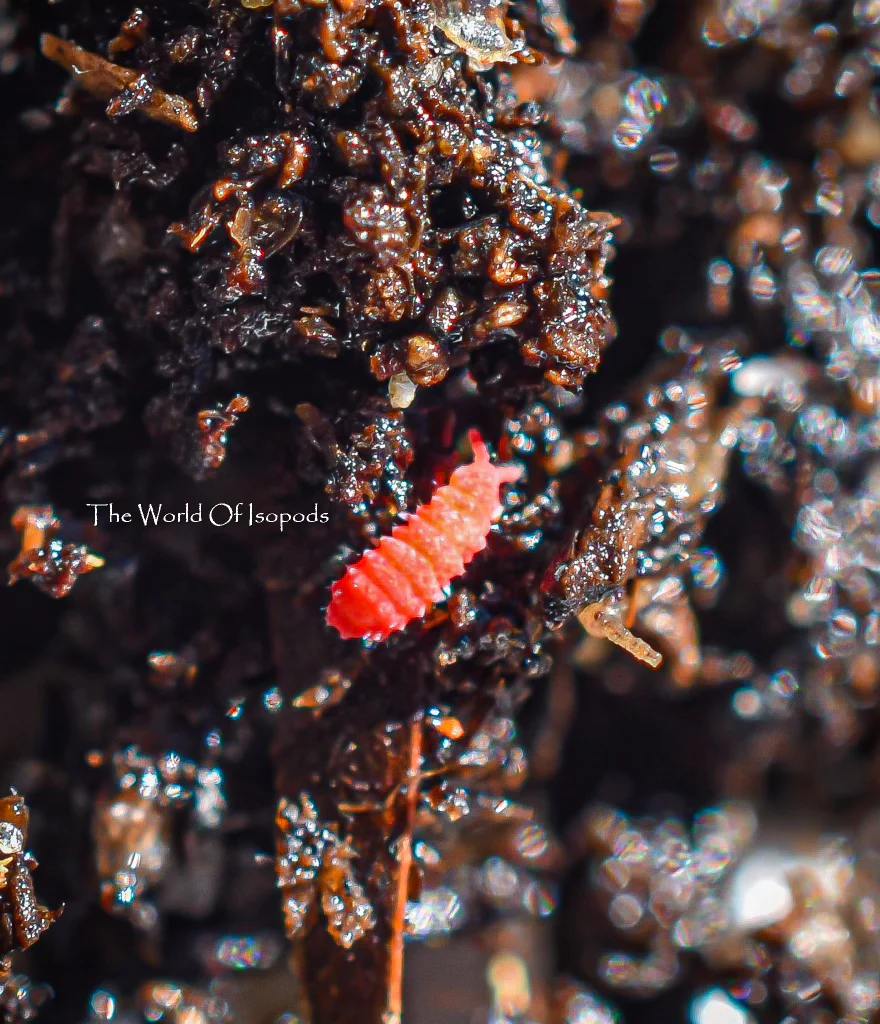
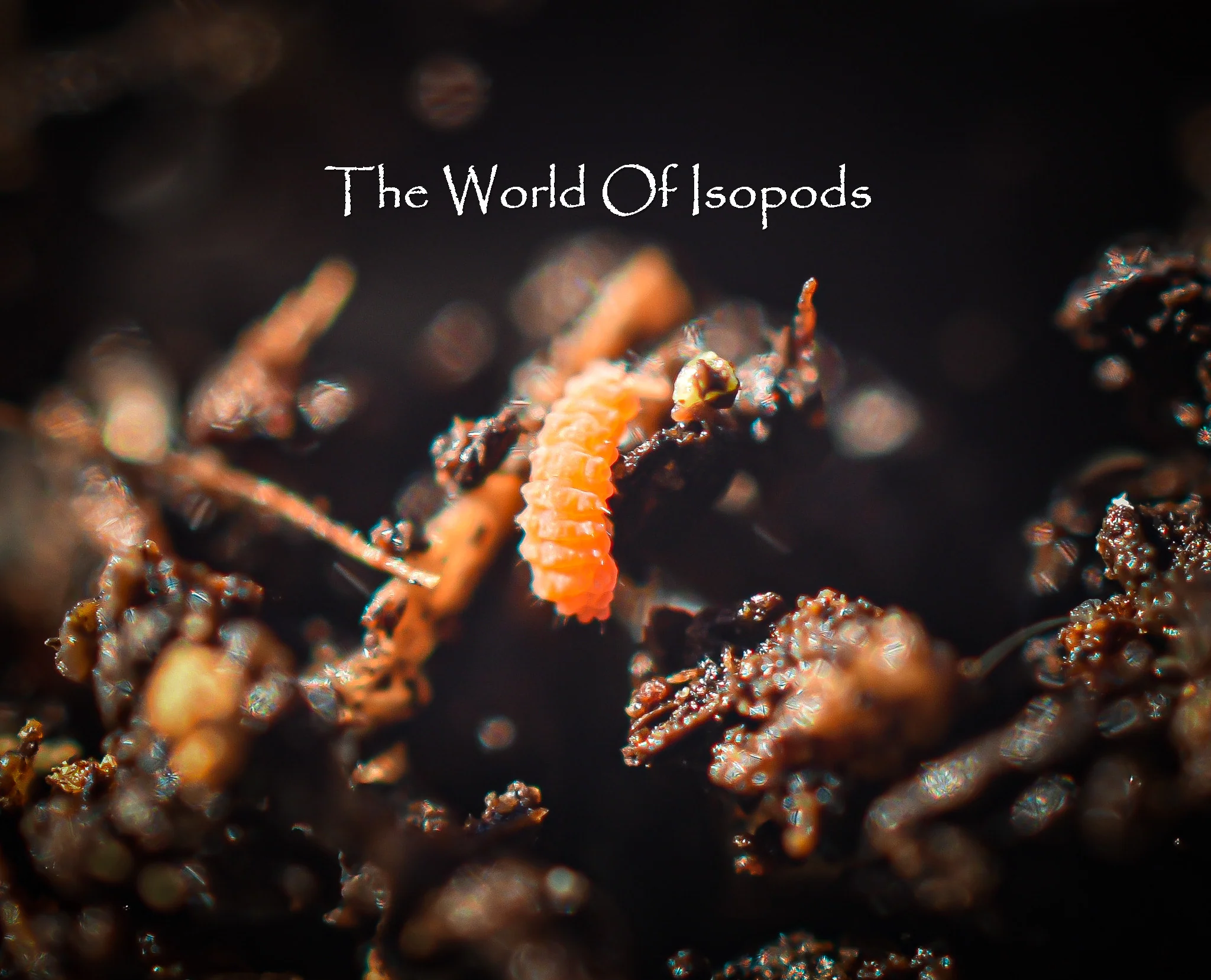
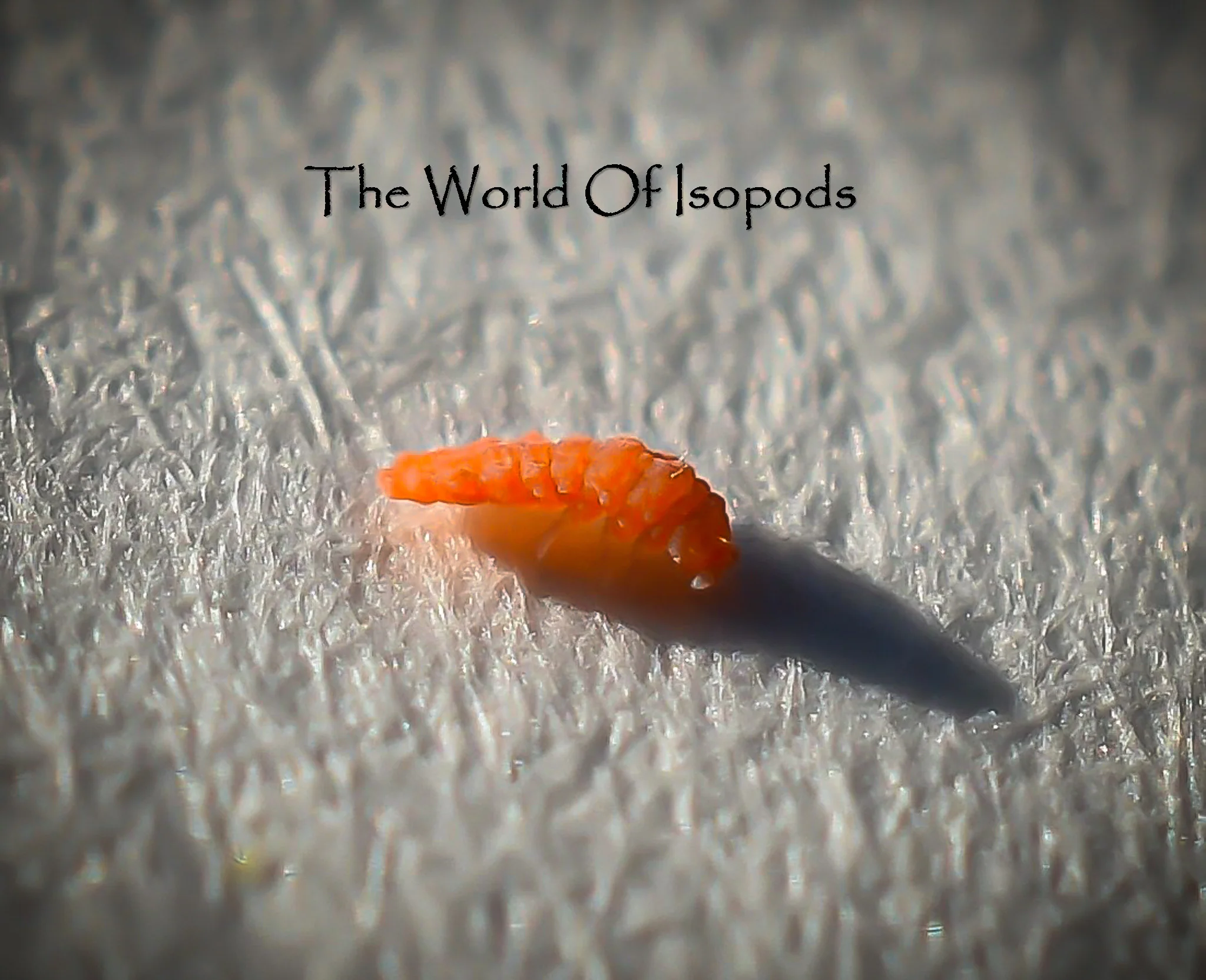
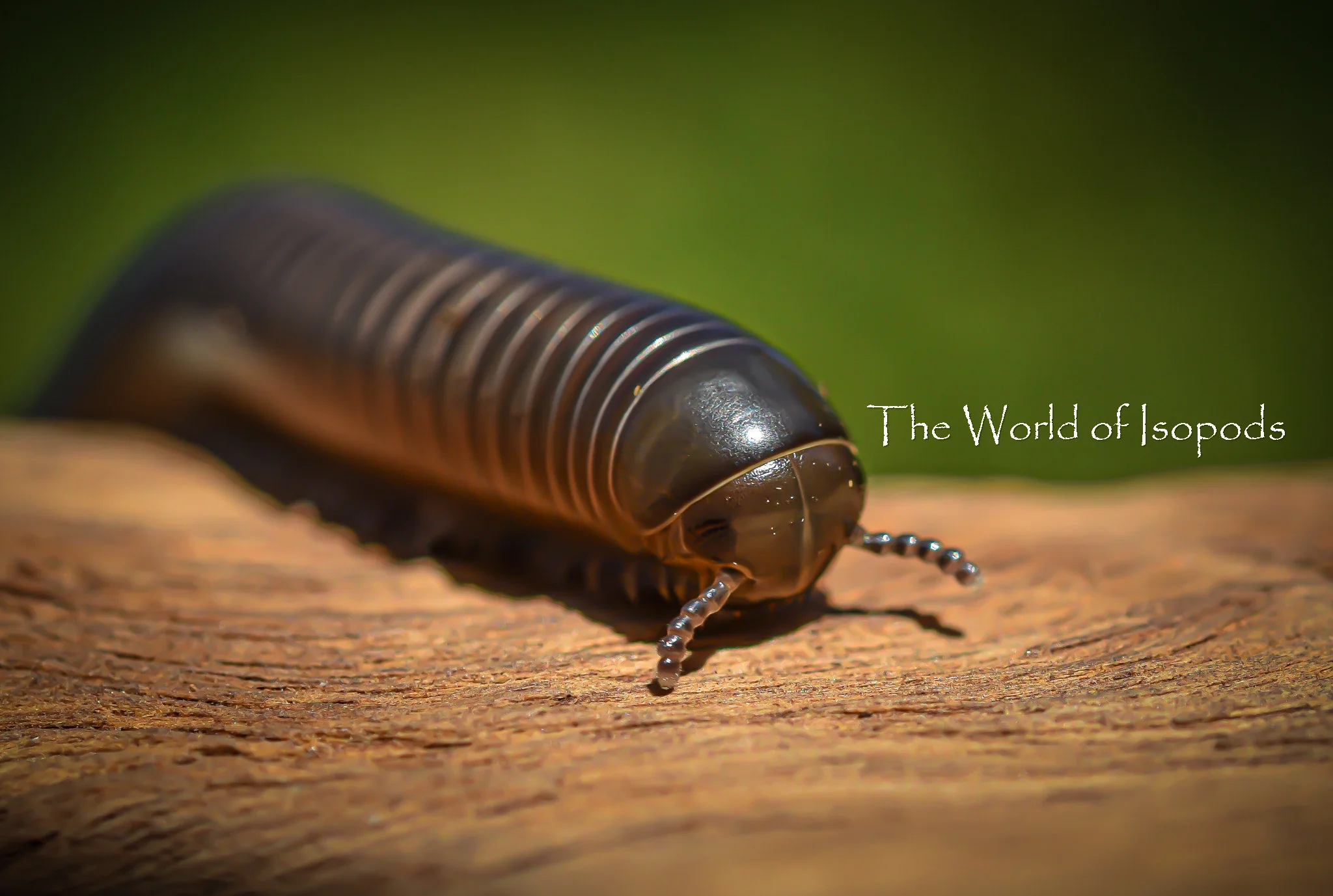
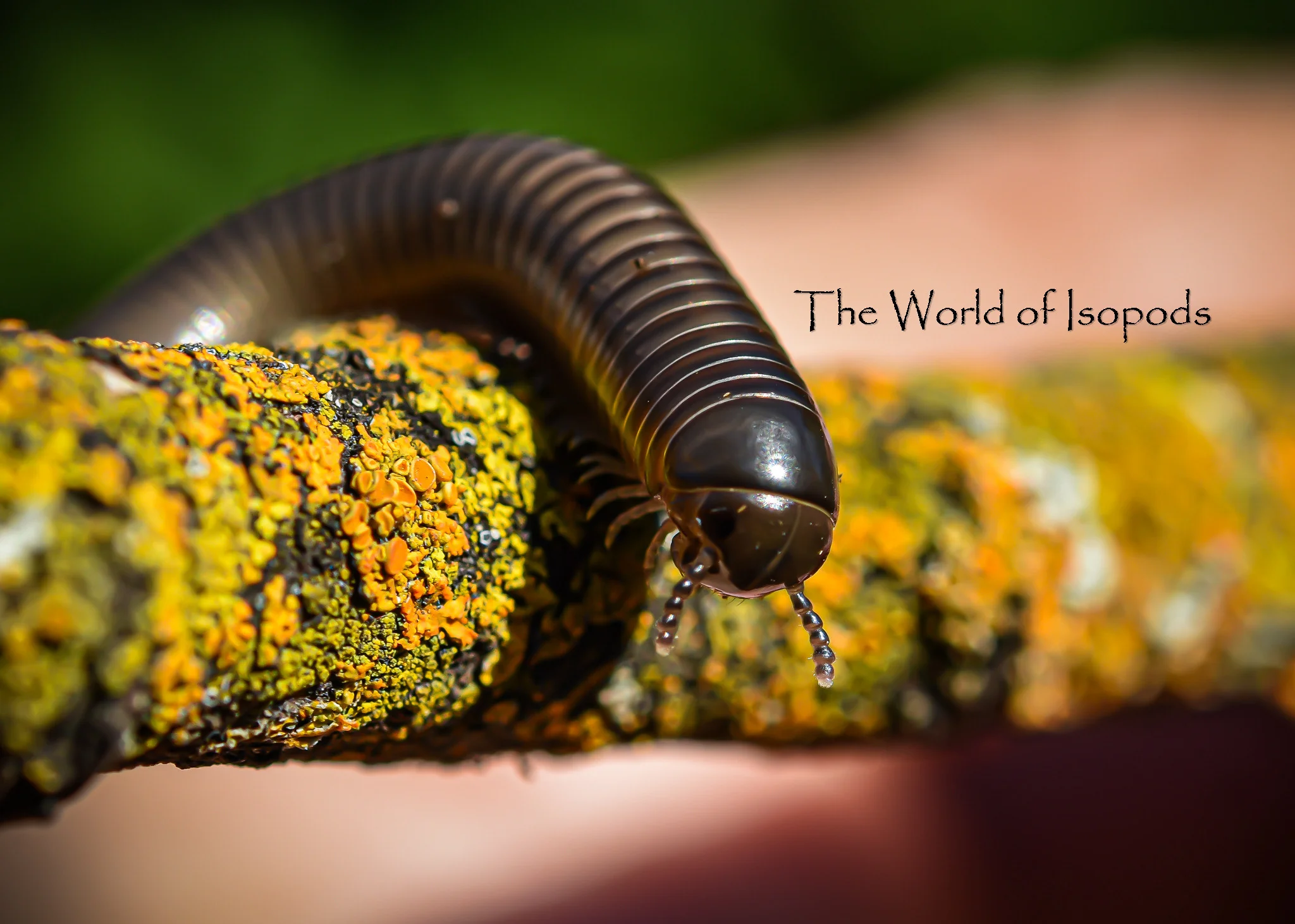
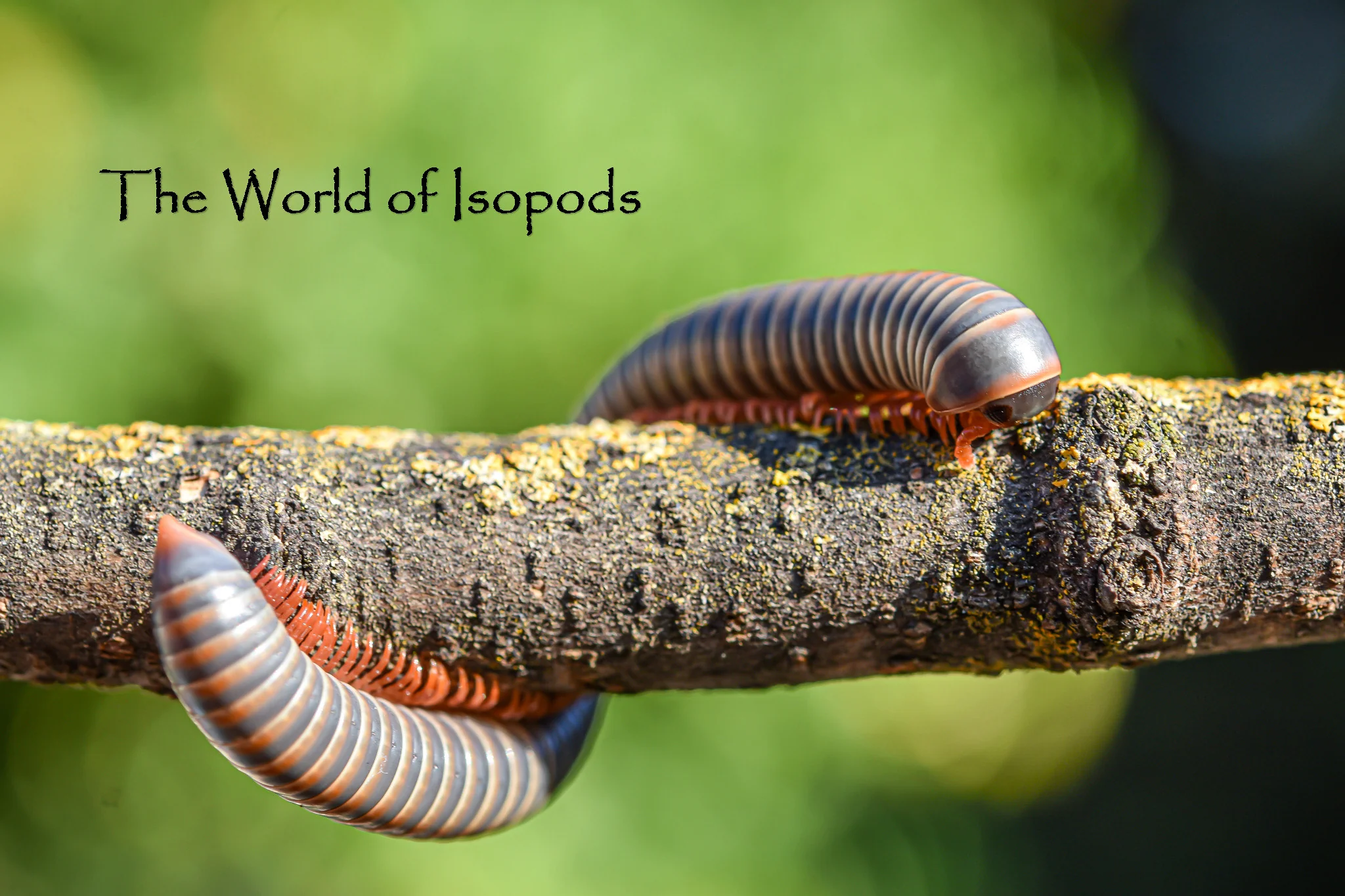
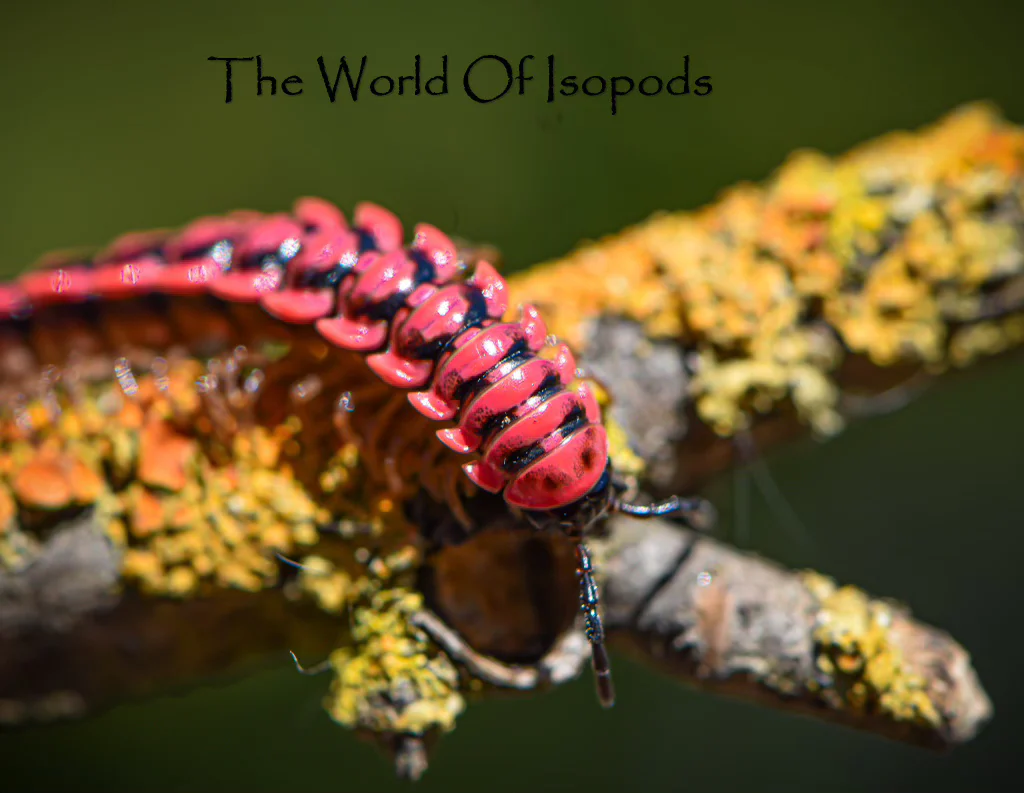
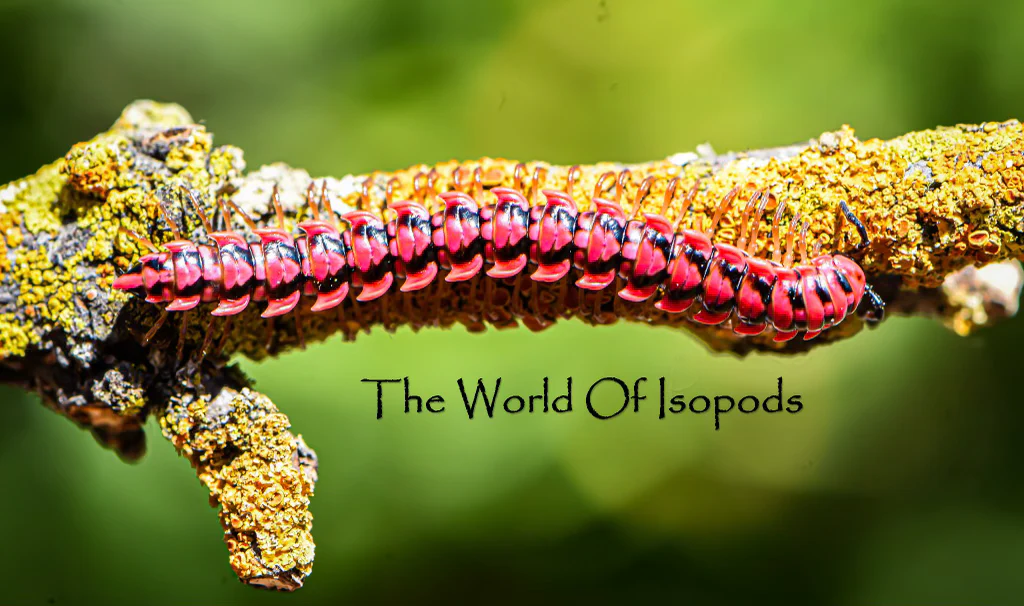
Thailand Pink Dragon Millipedes are a brilliantly colored and highly sought-after species known for their intense neon-pink bodies and dramatic “dragon-like” silhouette. Scientifically identified as Antheromorpha uncinata, they are native to Thailand’s humid forest regions, where they inhabit leaf-litter-rich environments.
Their nickname comes from the pronounced, spiked lateral extensions (paranota) along each body segment. These flared edges create a fierce, armored appearance—almost like tiny dragons—while their vibrant pink coloration serves as a natural warning signal to predators in the wild.
Care Info
-
Organic topsoil (no fertilizers or chemicals)
-
Decaying hardwood (white rotted wood preferred)
-
Crushed leaf litter
-
Sphagnum moss mixed in for moisture
- Eating Yams and Fish food
The substrate should make up the majority of their diet, so it must contain decomposing wood and leaves—not just soil.
(Please Read Shipping Policy)
Original: $45.00
-65%$45.00
$15.75Product Information
Product Information
Shipping & Returns
Shipping & Returns
Description
Thailand Pink Dragon Millipedes are a brilliantly colored and highly sought-after species known for their intense neon-pink bodies and dramatic “dragon-like” silhouette. Scientifically identified as Antheromorpha uncinata, they are native to Thailand’s humid forest regions, where they inhabit leaf-litter-rich environments.
Their nickname comes from the pronounced, spiked lateral extensions (paranota) along each body segment. These flared edges create a fierce, armored appearance—almost like tiny dragons—while their vibrant pink coloration serves as a natural warning signal to predators in the wild.
Care Info
-
Organic topsoil (no fertilizers or chemicals)
-
Decaying hardwood (white rotted wood preferred)
-
Crushed leaf litter
-
Sphagnum moss mixed in for moisture
- Eating Yams and Fish food
The substrate should make up the majority of their diet, so it must contain decomposing wood and leaves—not just soil.
(Please Read Shipping Policy)